Final Fantasy Resonance Review: A 40-Hour RPG With Its Own Identity
Final Fantasy Resonance pairs HD-2D visuals and a flexible Vision system with a likable cast, brisk pacing and a story that stands beyond its callbacks.
Reviewed on: Switch 2
Platform: PlayStation 5, Xbox Series X/S, Switch, PC
Publisher: Square Enix
Developer: Square Enix
Release:
Rating: Everyone 10+
Final Fantasy Resonance earns its place in the series by turning familiar history into useful game design. Its Vision system gives party members a deep set of skills to shape, while its new cast and focused story have room to stand on their own. That balance makes this roughly 40-hour role-playing adventure more than a collection of callbacks: it has a distinct personality, even when its dungeons and world travel feel less fully realized.
A mobile story rebuilt for consoles and PC
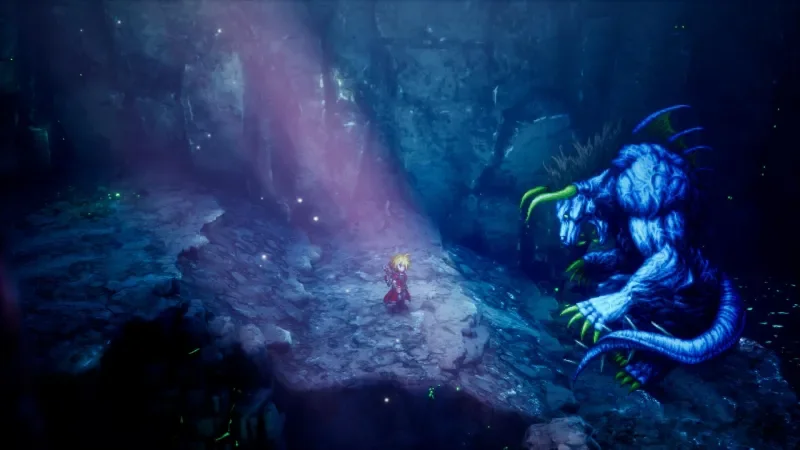
Resonance draws on the first season of Final Fantasy Brave Exvius, Square Enix’s mobile game that ran for four chapters between 2016 and 2025. This version reworks that material as a standalone RPG rather than simply carrying the mobile experience over. The most visible change is its HD-2D presentation, which surrounds detailed pixel characters with dimensional environments and lighting.
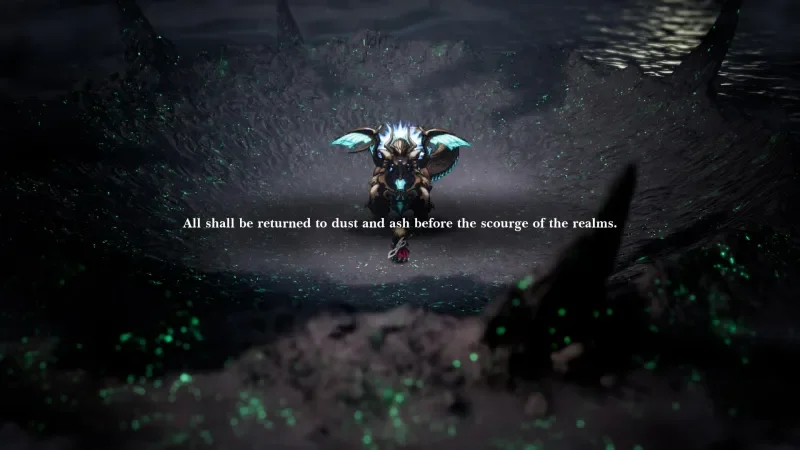
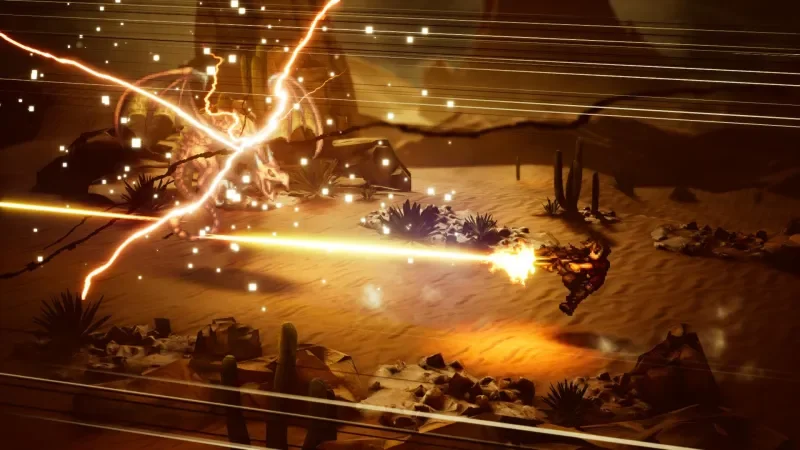
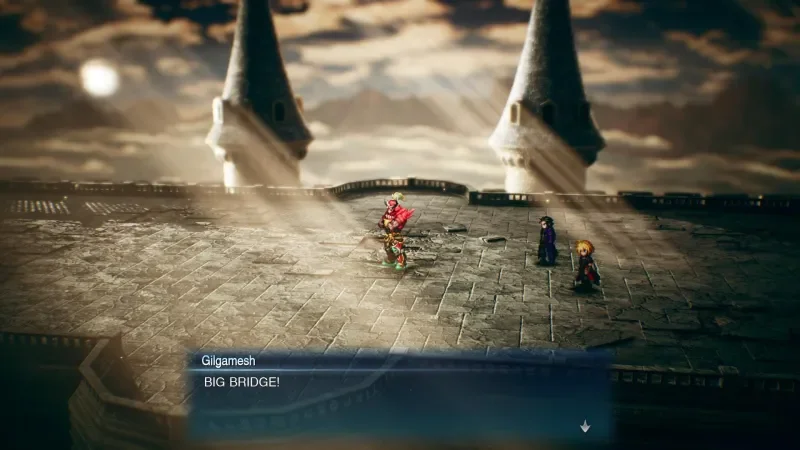
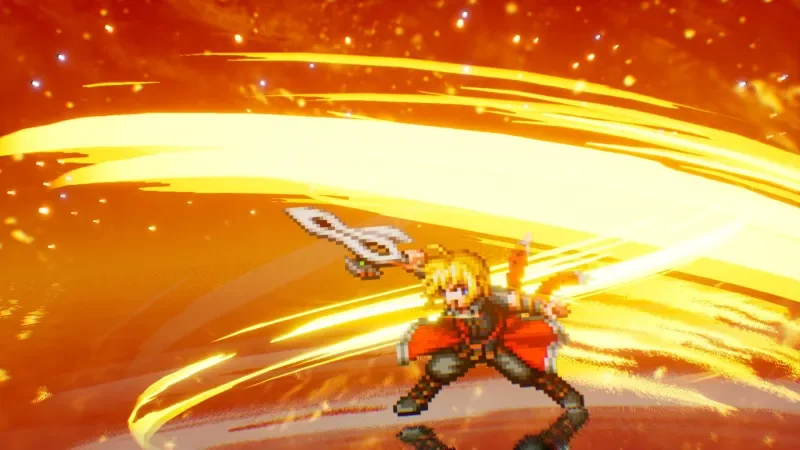
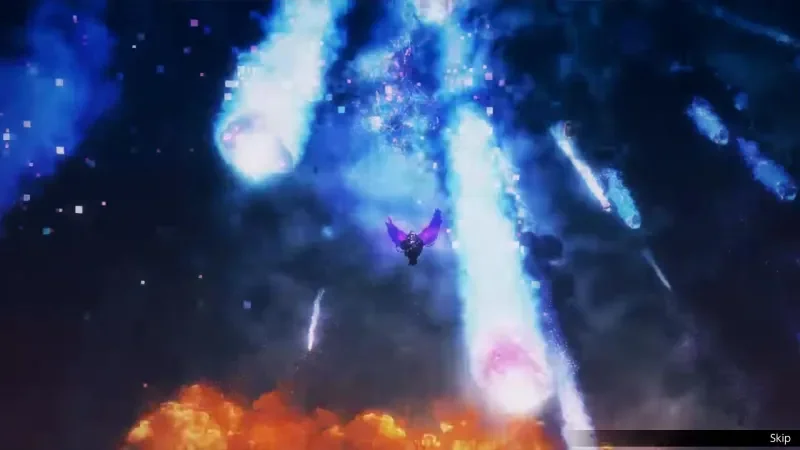
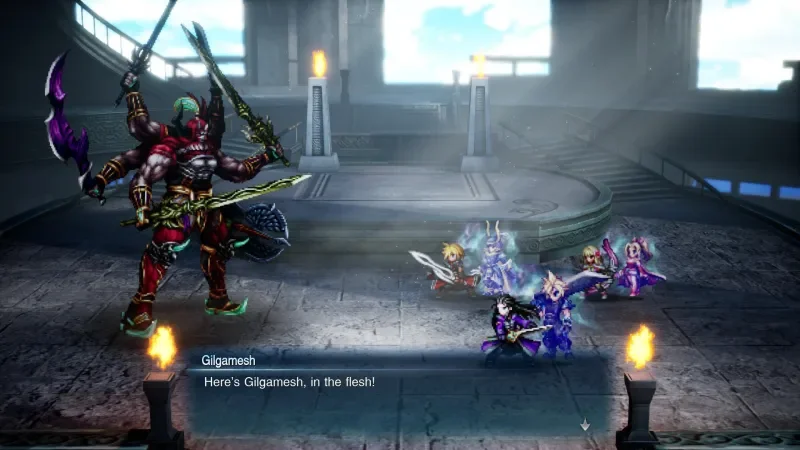
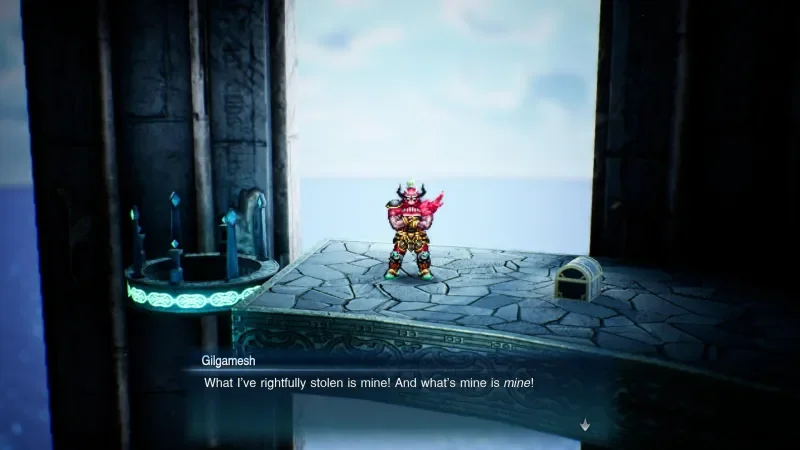
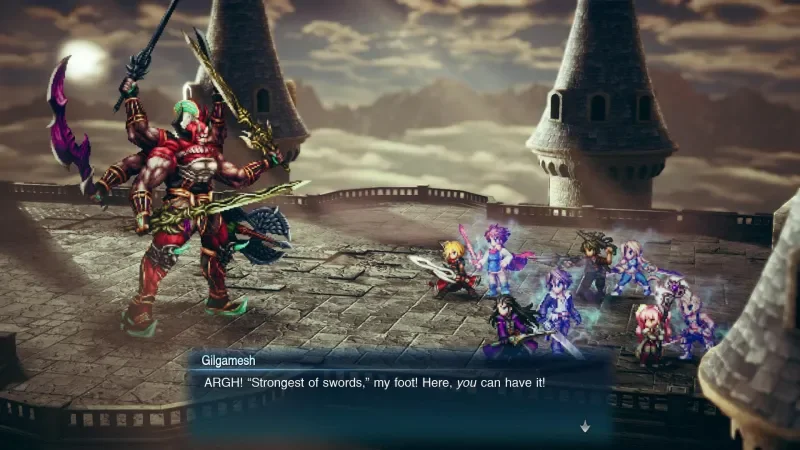
The result has a look of its own within Square Enix’s recent HD-2D projects. Character sprites are unusually expressive, and some story scenes use elaborate pixel animation to deliver the scale and showmanship of a larger cinematic sequence. Those moments give the visuals a clear identity while keeping the game rooted in its sprite-based art. The presentation feels carefully considered, especially when a quiet exchange gives way to a dramatic scene.
Reworking a discontinued mobile game into a full-length RPG also gives Resonance a different kind of appeal: players can follow its story as one self-contained adventure. The original game’s history informs the material, but the adaptation builds a console-style structure around it, with exploration, party development and a defined journey. That shift lets the setting and characters carry more weight than a string of references would.
Visions make party building the main attraction
Visions are projections of characters from other Final Fantasy games, but their chief purpose is mechanical. Equip one to a party member and it supplies combat abilities, passive bonuses and skills that can be learned and used elsewhere. That setup combines the transferable skill-building associated with Final Fantasy V’s jobs with the permanent stat growth linked to Final Fantasy VI’s espers.
Rain, for example, brings heavy attacks and fire magic to the party. Pair him with Cecil Harvey’s Vision and he gains access to light and dark magic; fighting together also strengthens the Vision, which can unlock skills for Rain to equip. The system encourages players to experiment with combinations and gradually tune each character to a preferred role. The familiar faces matter, but their value is tied to choices made in battle and during character progression.
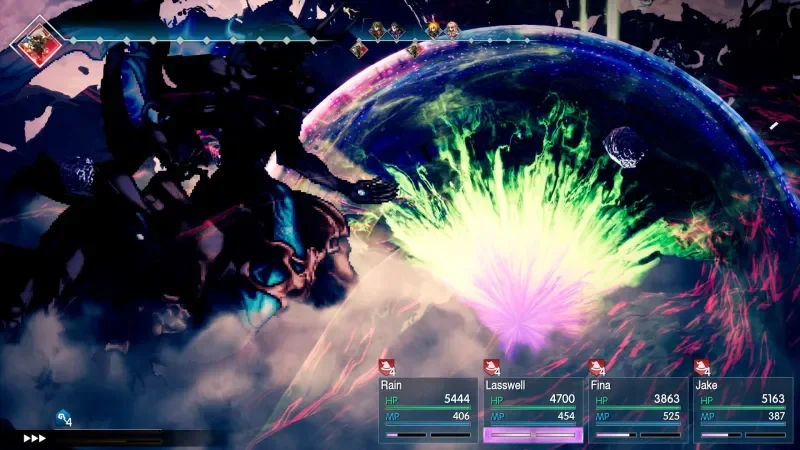
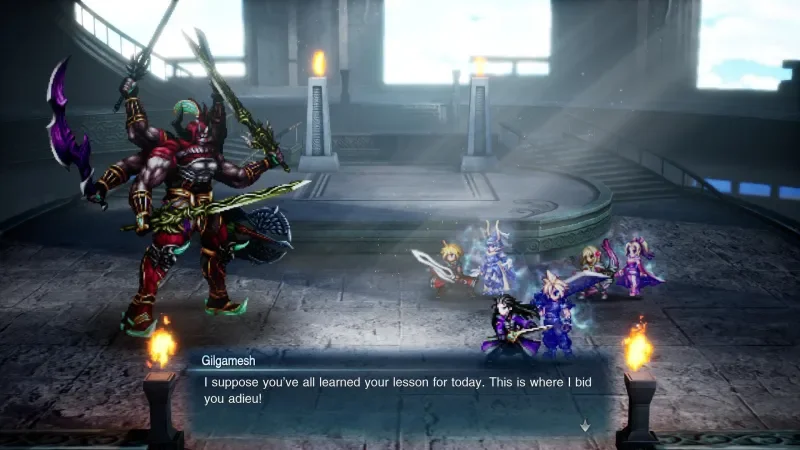
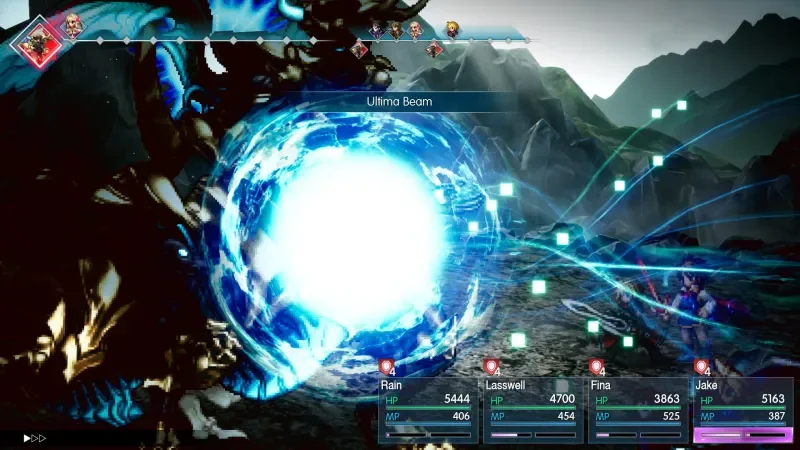
Visions can also be summoned for powerful attacks when the right conditions are met. These sequences lean into Square Enix’s history of dramatic game cinematics, giving battles a burst of spectacle. Between those special moves and the steady stream of skills to unlock, the system gives character growth a tangible rhythm: each fight can contribute toward a build, rather than only moving the party toward the next story scene.
A cast that makes the story its own
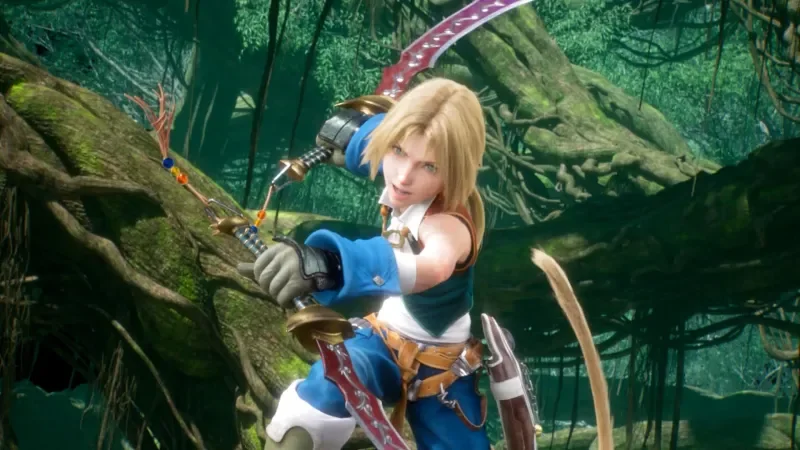
Rain’s design nods to earlier heroes, from his spiky hair to traits that recall characters such as Cloud, Tidus and Zidane. Those echoes make him immediately recognizable as part of the series, yet his story is not just a frame for cameos. His friendship with roommate Lasswell anchors the narrative, and Lasswell’s troubled nobility gives their relationship a different texture from a simple pairing of familiar character types.
Other party members add their own temperaments and combat roles as they join. Their banter gives the group time to establish its chemistry outside the main plot, with comedic exchanges delivered through voice performances that help the characters land. References to previous games arrive in measured doses. Longtime fans will have plenty to catch, including nods that may especially resonate with Final Fantasy XIV players, but the story does not require a checklist of series knowledge to follow Rain’s journey.
Quick battles, brisk travel and a thinner world
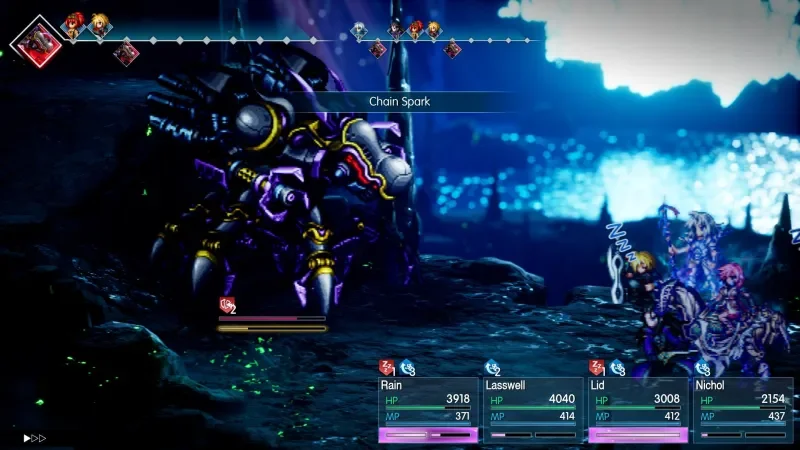
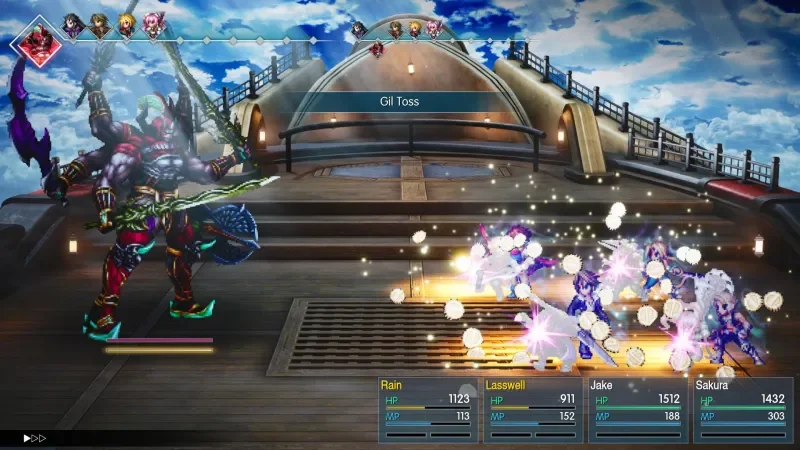
Combat uses a turn-based format that displays the order of upcoming actions, a clear approach familiar from Final Fantasy X. Each character contributes a distinct fighting style and elemental focus: Lasswell favors ice as a samurai, Jake uses wind-based gunner abilities, and Lid brings earth attacks. That variety works well with the Vision system, since characters can keep a recognizable foundation while gaining new tools through equipment and progression.
Resonance is designed to keep the adventure moving. Fast travel is generous, dungeons tend to be compact, and the full run takes about 40 hours, depending on how much time players spend developing Visions. Random encounters are spaced out enough that routine grinding rarely feels necessary unless a player wants to maximize a particular Vision. When an encounter interrupts a trip across the map, though, the lack of an auto-battle option can make the detour feel longer than the fight deserves.
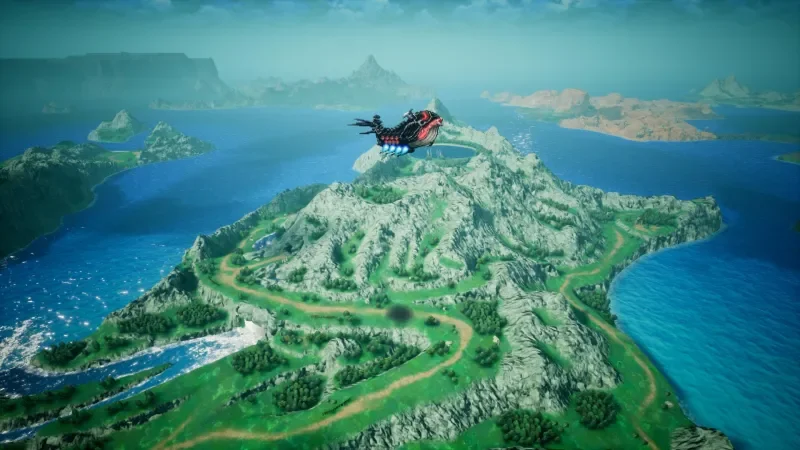
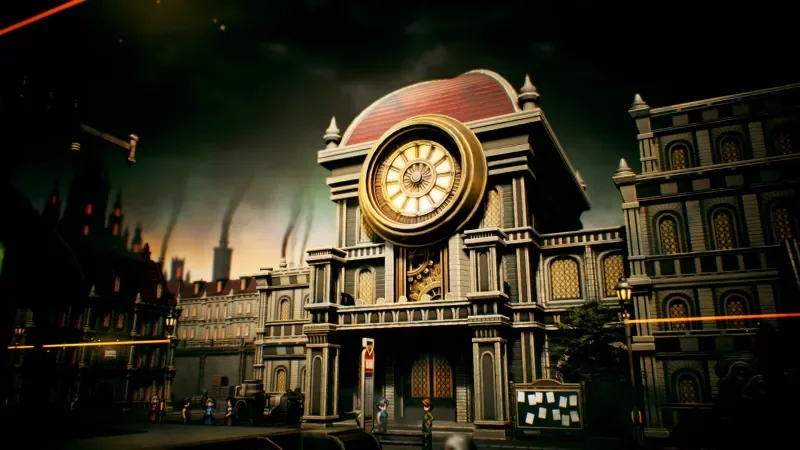
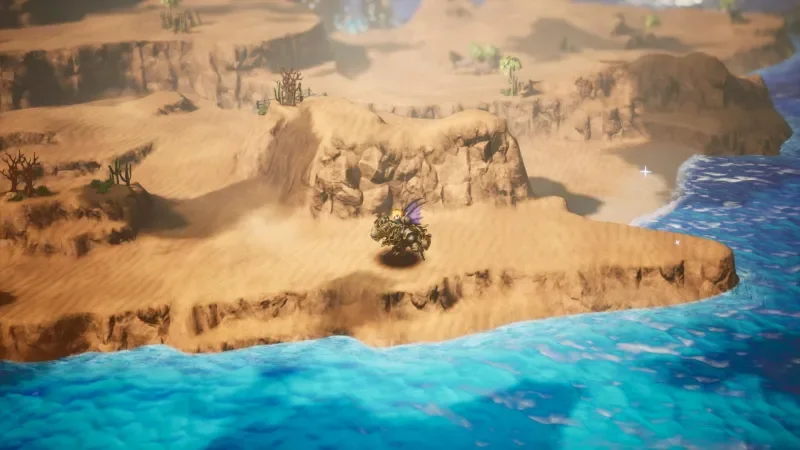
The world itself is the clearest limitation. Towns have distinctive looks and enough residents and quest-givers to reward a stroll through their streets. The routes connecting those stops are comparatively sparse, and dungeon spaces lack the surprises that could make exploration more memorable. The structure suits the game’s brisk pace, but it also means the setting can feel smaller than its colorful settlements suggest.
That tradeoff is easier to accept because Resonance gets its priorities right: an appealing party, satisfying customization and a story with a voice beyond its series references. Its battle system gives players plenty to tinker with, while the compact length helps the adventure avoid the drag that can settle over longer role-playing games. With a 9 score from the reviewer, it comes recommended as a fresh entry point for players who want classic turn-based combat and a new cast, as well as a rewarding trip for longtime fans. Its strongest achievement is making Final Fantasy history part of the experience without letting that history take over.