D&D: World of Warcraft Options Join Adventurers League and Legends of Greyhawk
Five subclasses, five feats, five fighter maneuvers and Goblins expand organized D&D play, with availability varying by setting.
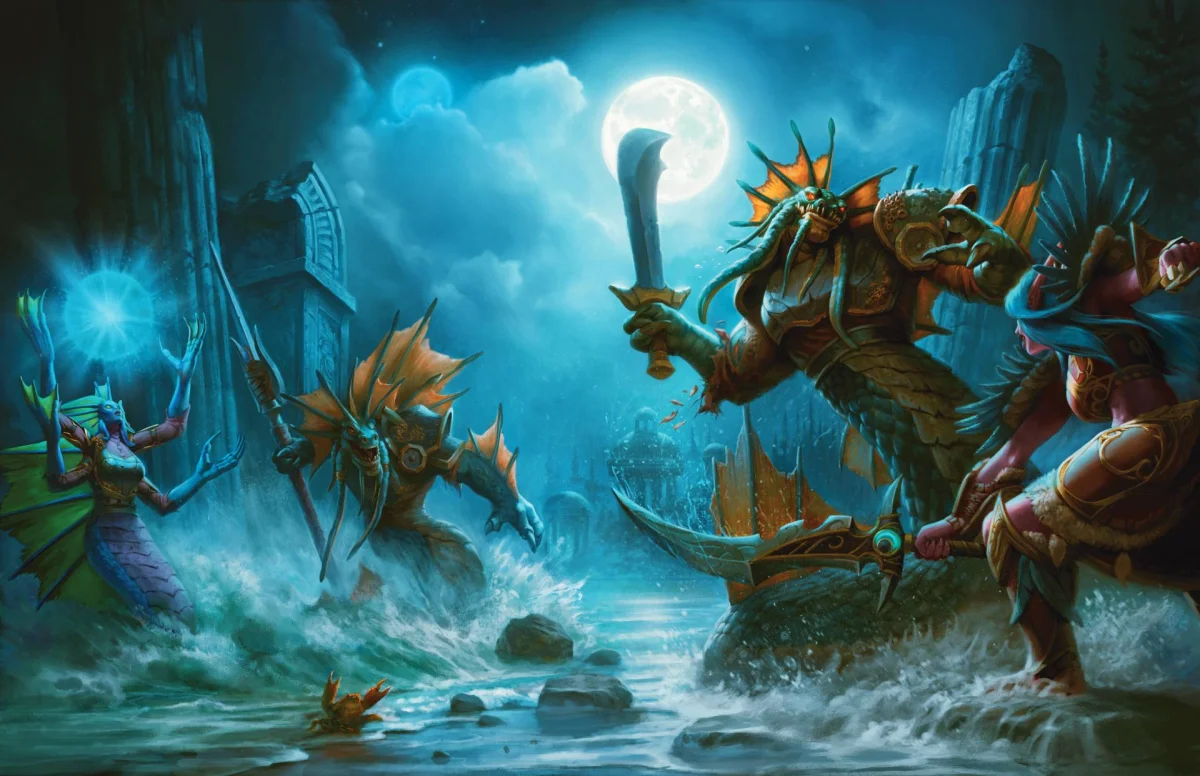
The new Dungeons & Dragons: World of Warcraft character options are reaching two organized play programs, giving players more ways to bring the book’s material into existing D&D settings. Adventurers League permits a selected set across four settings, while Legends of Greyhawk makes the same options available immediately and lets players rebuild existing characters. The shared list creates a common starting point, but the rules for using it still depend on which program you’re playing.
The rollout is deliberately selective. The organizers say they’ve focused on options that update material appearing in its 5.5e debut, or that can apply broadly to characters across the multiverse. That gives players a defined list to work with while keeping the crossover’s Azeroth-specific choices from automatically carrying into every organized play setting. Here’s the thing: a shared book doesn’t automatically mean shared campaign permissions.
Adventurers League allows the options in four settings
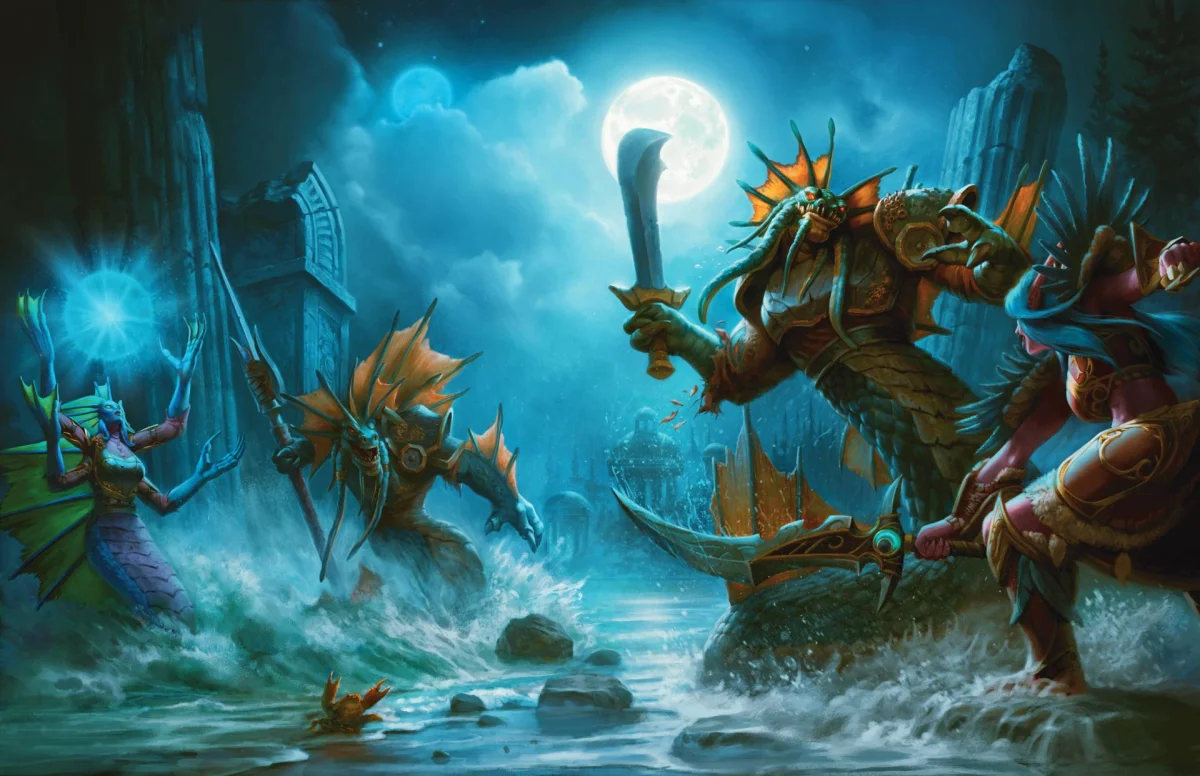
For Adventurers League, the approved settings are the Forgotten Realms, Eberron, Ravenloft and Dragonlance. Within those settings, players can choose from five subclasses, five feats, five Battle Master Fighter maneuvers and the Goblin species. The boundaries are setting-specific, so a character concept that works in one approved campaign should still be checked against the rules for the table where it’ll appear.
Approved subclasses
- Warrior of Mystic Brews for Monks
- Oath of the Holy for Paladins
- Swashbuckler for Rogues
- Path of the Elements for Barbarians
- Path of the Spiritual Guardian for Barbarians
The available feats are Clearcasting, Elusive Brawler, Fingers of Frost, Fists of Fury and Hot Streak. Battle Master Fighters can also select Battle Shout, Demoralizing Shout, Heroic Leap, Mortal Strike or Warding Maneuver. Goblin is the sole species listed for this program. That combination offers several kinds of character customization, but the published list itself is the limit players should use when planning an Adventurers League build.
These boundaries matter at the table: the article names four eligible settings, so players and Dungeon Masters should check the updated resources before building around an option. A character choice can affect more than a sheet; it also has to fit the campaign’s allowed sources and the expectations of the group. The list gives players a concrete route into the crossover’s character material without opening every choice from the book for every setting. This is more significant than it looks: selective access is how organized play can make a crossover usable without treating every setting as interchangeable.
Legends of Greyhawk has the same list, available now
Legends of Greyhawk receives the same five subclasses, five feats, five maneuvers and Goblin species. The options are available immediately in that program. Players may rebuild existing characters to include one or more of them, subject to the details in the guide. That rebuild provision matters for players already invested in a character: it gives them a route to use the new material without assuming that every change is automatic.
For character creation, advancement and frequently asked questions, consult the Legends of Greyhawk Guide, particularly its “Additional Sources” section. Rebuilding gives current players a way to incorporate the new material without starting from scratch; the guide is the reference for how that works. If you’re working in this space as a player or Dungeon Master, that distinction is practical: the announcement establishes availability, while the guide explains how to apply it during play.
The two programs therefore share a rules menu but differ in the details players need to act on: Adventurers League specifies four settings, while Legends of Greyhawk states that its options are already usable and that existing characters may be rebuilt. Players moving between organized play tables should check the applicable guide rather than assume that access carries over unchanged. The same character choices can sit under different program instructions. A small administrative difference with real consequences for planning.
Updated resources are on the way
The Adventurers League Player’s Guide, Adventurers League DM’s Guide and Dungeoncraft Design Guide are set to receive the changes. The updated documents are expected in the D&D Beyond Organized Play forum in early December. The source gives no year for that timing, so players should check the forum for the current posting. Until then, readers have the announced list of eligible options, but the updated documents remain the place to confirm procedural details.
Questions and feedback can go to the Organized Play channels on the D&D Discord. The forum and Discord serve different purposes here: one is identified as the home for revised documents, while the other is the stated route for discussion. That distinction helps players find the right source when they need either the current written rules or a place to raise a question. The list is clear; the timing is less so.
More on the crossover’s character options
The rollout sits alongside other coverage of the book’s character material. Readers can explore the 16 species of Azeroth coming to D&D, review five multiclass ideas, or see all nine World of Warcraft subclasses. Those broader options put the organized play list in context: the book contains more character material than these two programs currently identify for use.
What the rollout means for players
For organized play, the practical takeaway is a compact, shared set of choices with program-specific guidance. The approved menu is narrow enough to check quickly, but the split between settings, immediate availability and character rebuilding means players still need to consult the relevant guide. If you play across both programs, check the rules each time you move a character or build into a new campaign.
That said, the rollout also shows how licensed character options can enter established play communities in stages: a defined subset first, with campaign guidance attached. The approach gives players new material while leaving room for each program to state where and how it applies. (And this is the part most people overlook.) The usefulness of the announcement depends as much on clear, current documentation as on the options themselves. Until those Adventurers League resources are posted, players have a list of what’s approved, but should use the relevant guide for the details.


