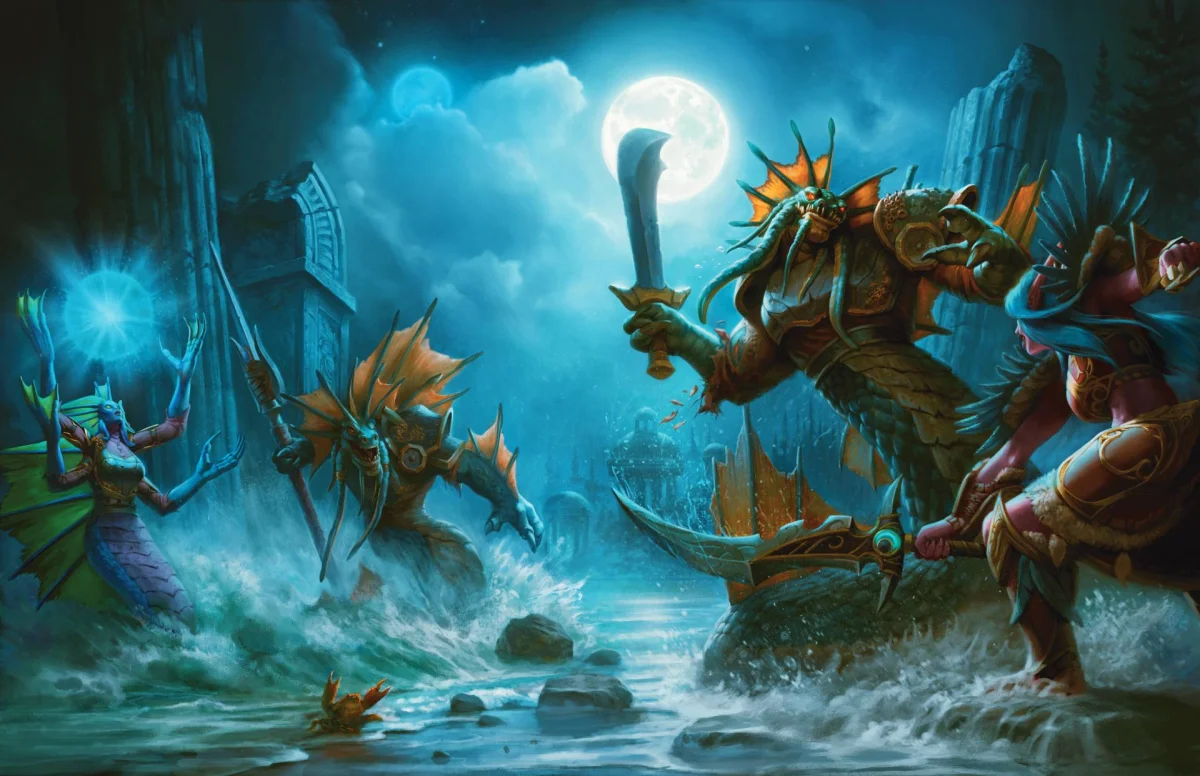
D&D: World of Warcraft Brings 16 Azeroth Species to Character Creation
From dracthyr who shift between forms to stone-bodied earthen, 16 Azeroth species bring distinct histories and character ideas to D&D: World of Warcraft.
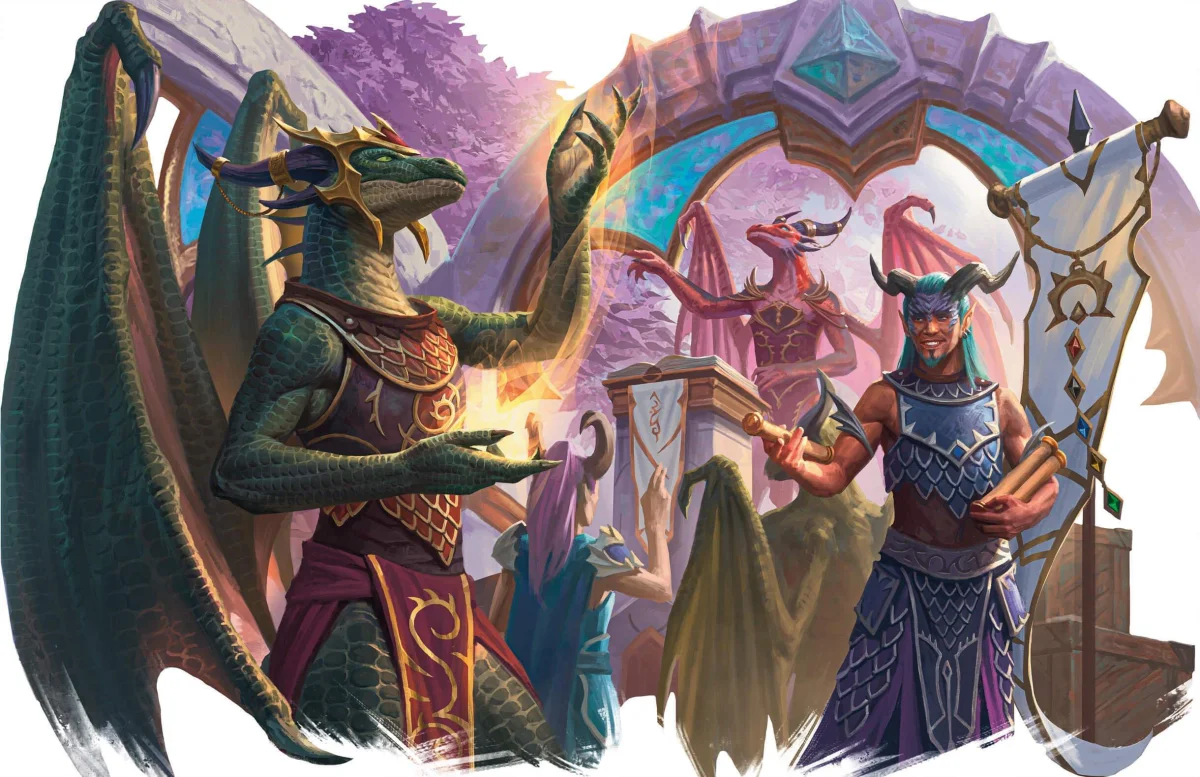
Azeroth’s history is written across its peoples: some were shaped by ancient magic, others fled a demonic fate, and many have remade their lives after upheaval. D&D: World of Warcraft brings 16 of those species into character creation, giving players a broad set of stories and identities to draw on. The range includes familiar factions and less frequently seen peoples, from the stone-bodied earthen to the secretive haranir.
That variety gives a character’s origins room to shape more than appearance. Azeroth’s peoples carry different relationships with magic, nature, technology, community and conflict. Here’s what defines each of the available choices.
Ancient origins and altered forms
Dracthyr were made for a conflict that Neltharion, the Earth-Warder and one of the original Dragon Aspects, believed would shake the world. He combined dragon essence with the adaptability of Azeroth’s mortal peoples. Neltharion and the blue Aspect Malygos then sealed the dracthyr in hidden creches in the Forbidden Reach, where magical stasis held them for nearly twenty millennia. Raszageth’s return woke them into a world transformed by time. A dracthyr can shift between a natural form and a visage form, making a change of appearance part of their identity.
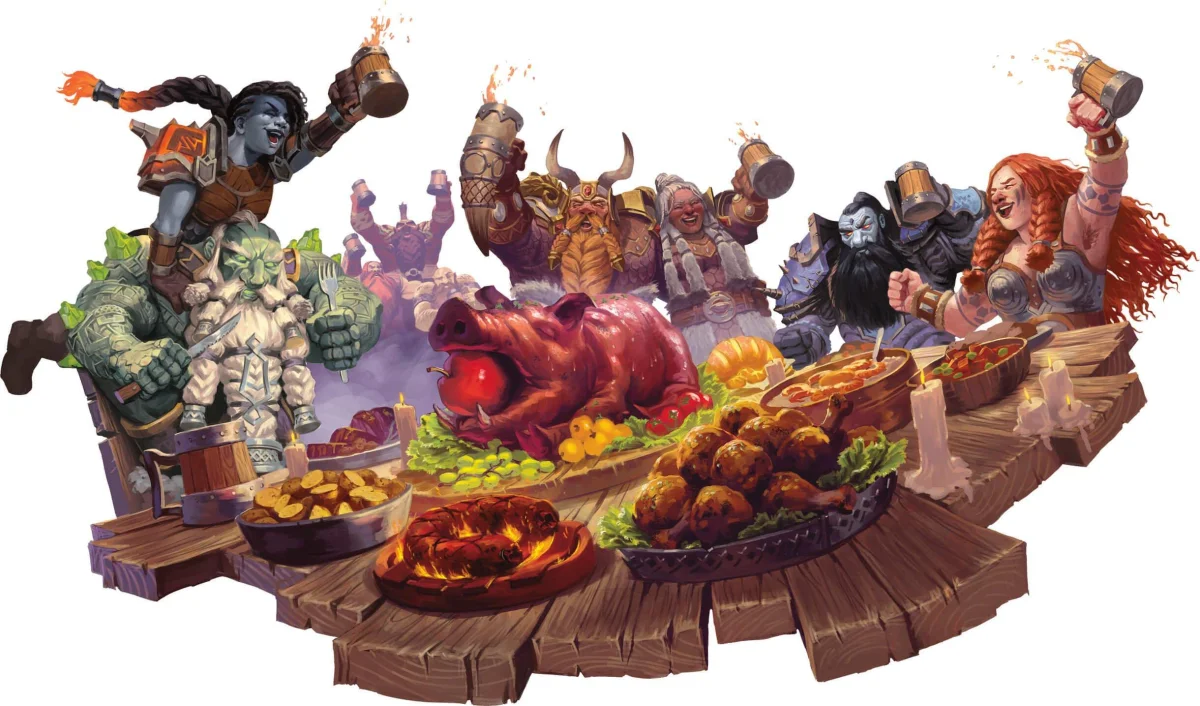
Draenei began as exiles from the eredar. When the corrupted titan Sargeras offered power to the eredar’s three leaders in return for their loyalty, one leader foresaw that his people would become demons serving the Burning Legion. With help from the benevolent naaru, he led his followers away before that fate took hold. Their name, Draenei, means “exiled ones,” and they pledged themselves to the Light.
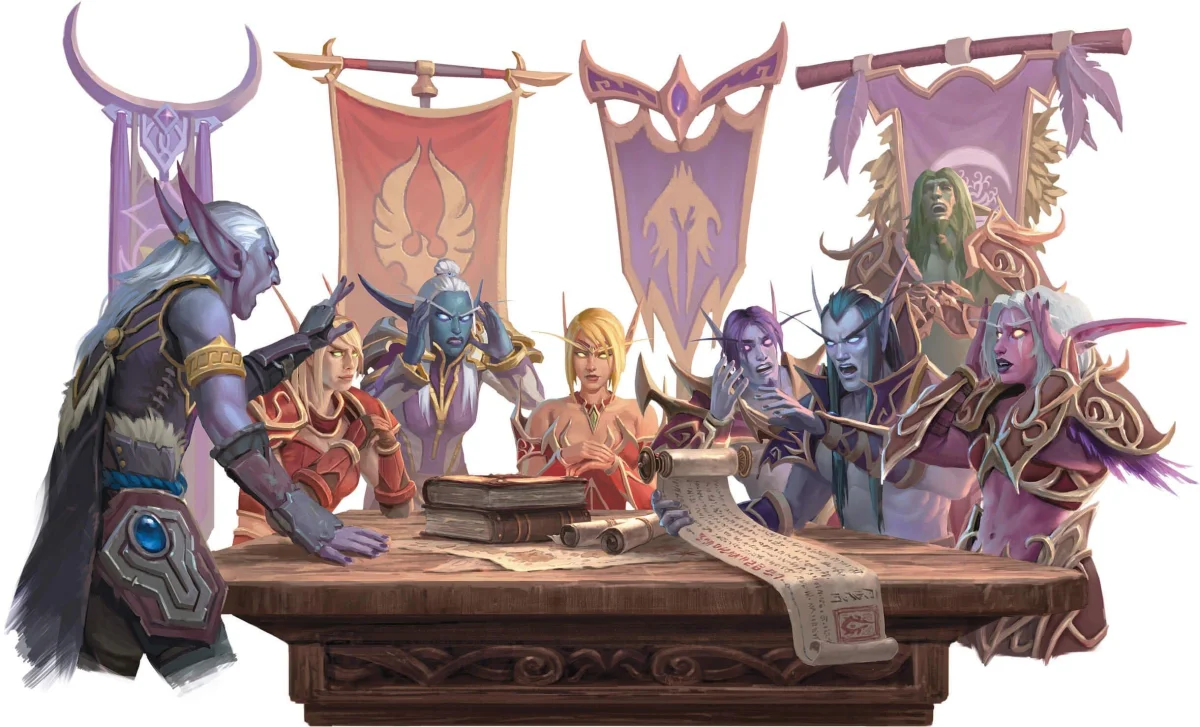
Earthen were created by the titans in the Forge of Wills. Many eventually became dwarves, while others remained asleep. In Khaz Algar, the Awakening Machine has brought earthen out of stasis, giving them the chance to choose their own paths instead of carrying out the wishes of long-dead titans. Their living-stone bodies contain Azerite, described as Azeroth’s lifeblood.
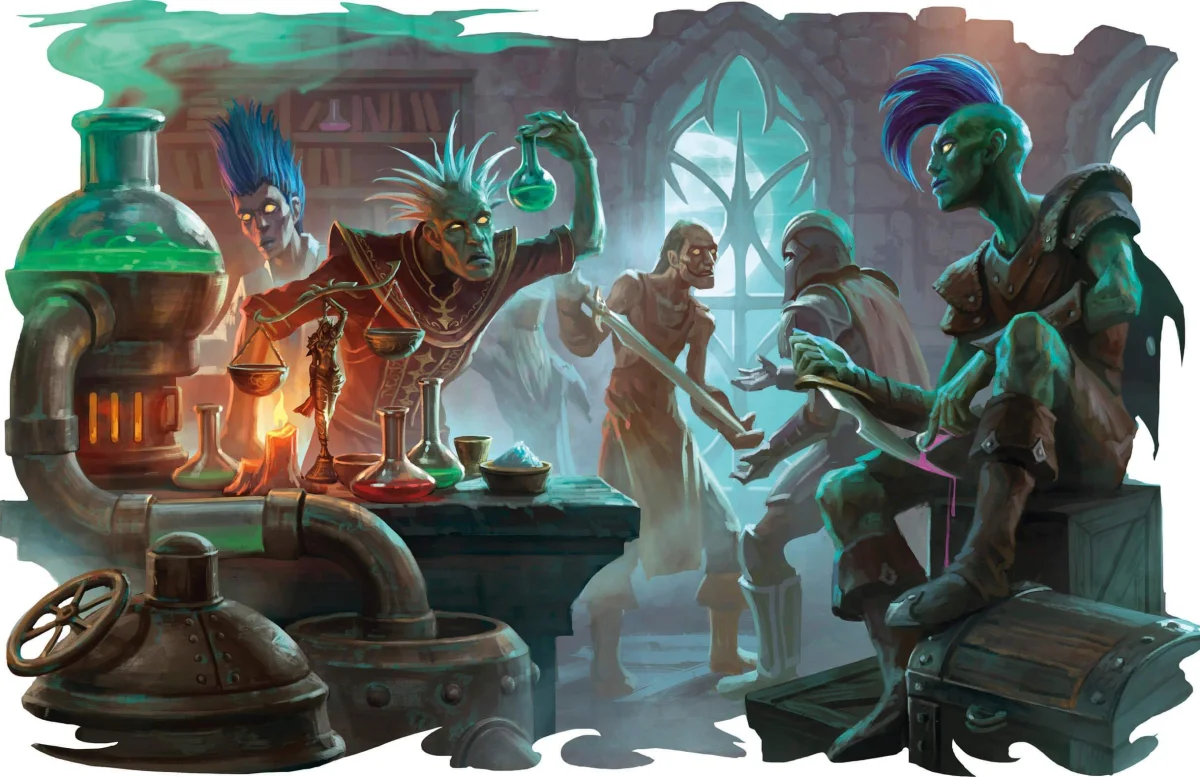
Dwarves also descend from the earthen. The Old God Yogg-Saron’s curse of flesh changed their ancestors, who later awoke from hibernation in a very different world. They settled in snowy Dun Morogh and carved out Ironforge, a city that prospered for two thousand years through trade with human city-states. A struggle among Ironforge’s three powerful clans eventually erupted into the War of the Three Hammers.
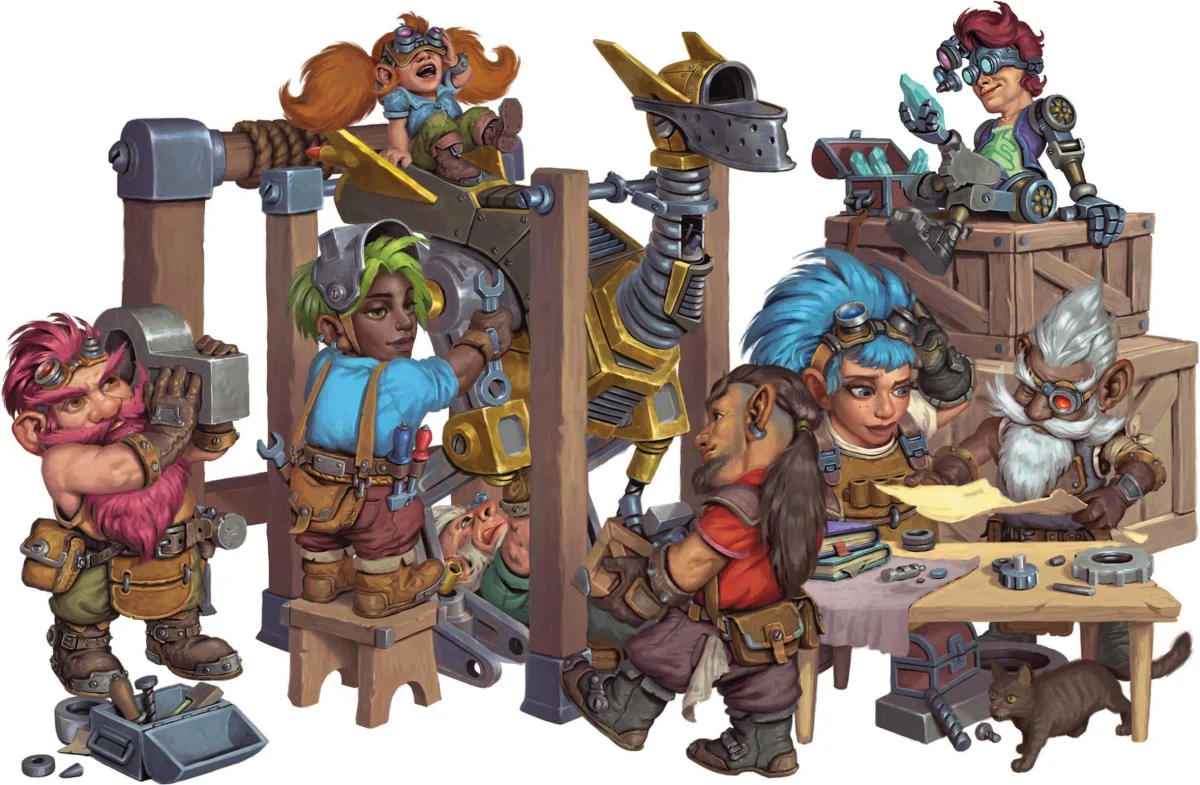
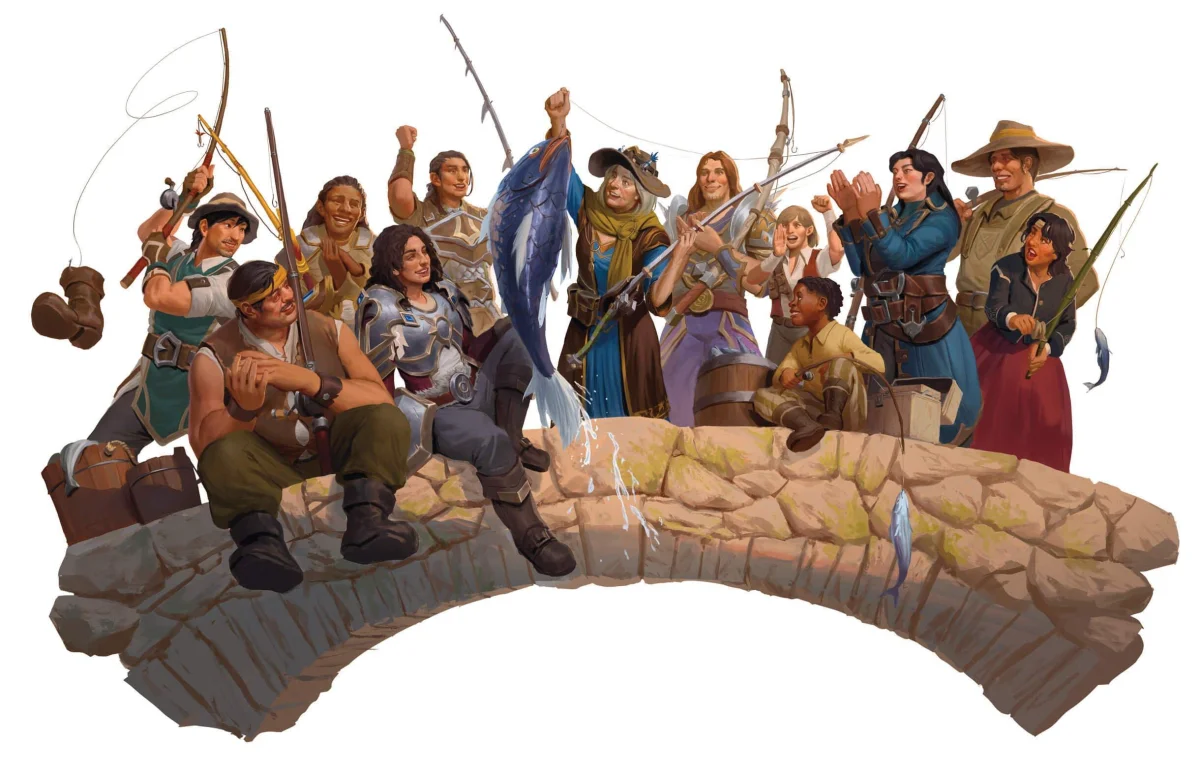
Humans trace their ancestry to the vrykul of Northrend, themselves shaped by the curse of flesh affecting titan-forged iron vrykul. The first humans were born small and weak, and some were killed by their vrykul parents. Those who survived built an empire that divided into seven kingdoms: Alterac, Dalaran, Gilneas, Kul Tiras, Lordaeron, Stromgarde and Stormwind.
Peoples shaped by magic, faith and struggle
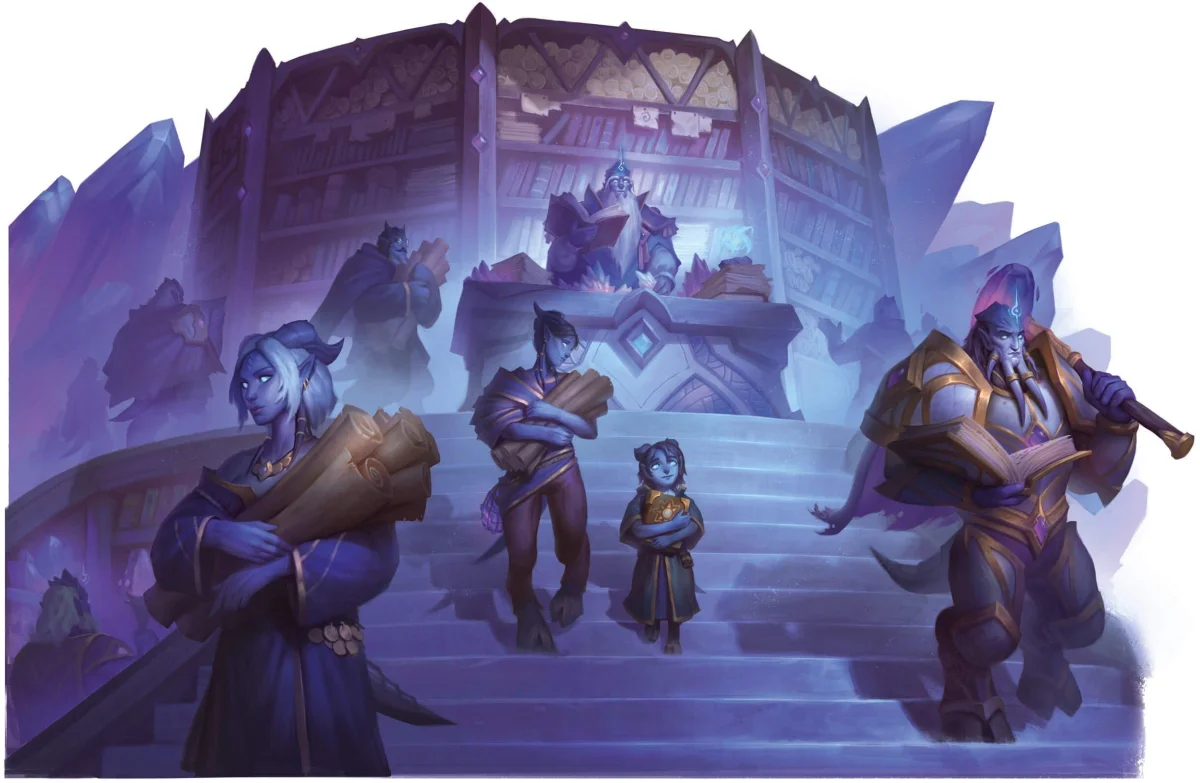
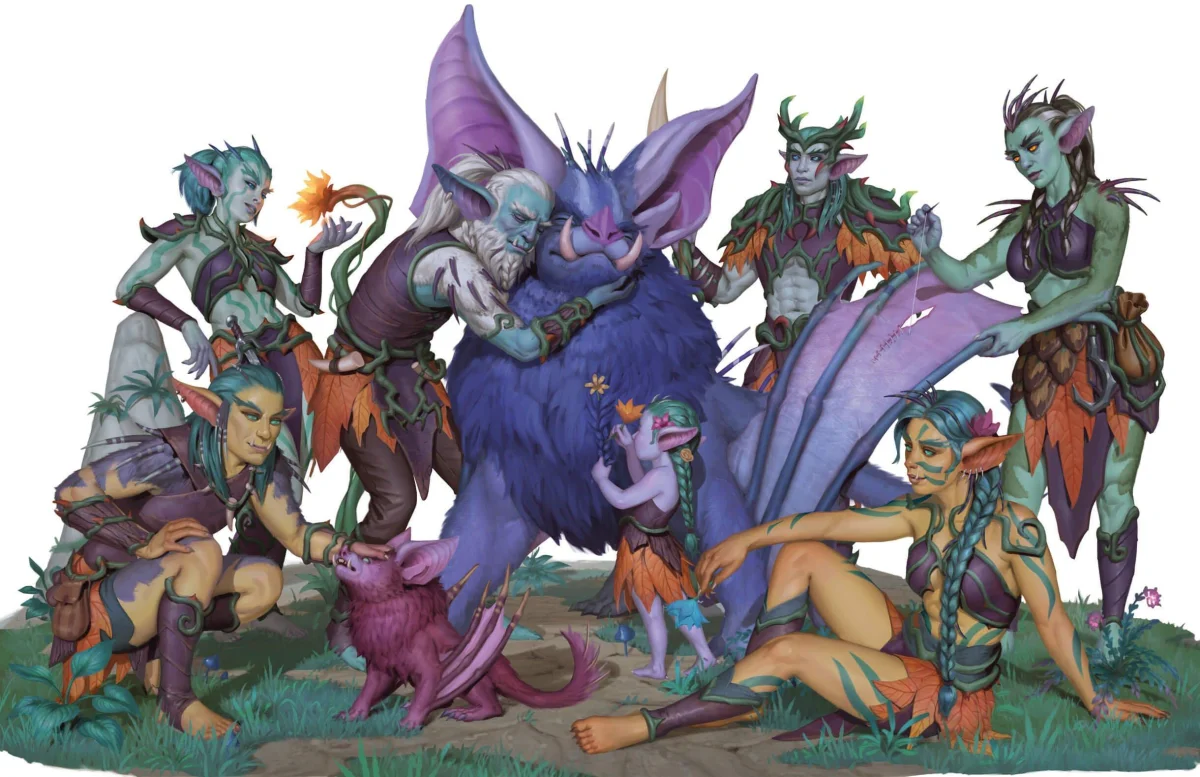
Elves have split into distinct peoples over millennia of conflict. Night elves rejected arcane magic and built a druidic society in Ashenvale Forest. Blood elves developed a way to drain arcane energy from living creatures after the Sunwell could no longer sustain them, while high elves refused that practice and made their homes among the Alliance’s other peoples. Suramar’s residents became the nightborne through the Nightwell’s energy, and void elves learned to control the shadows within themselves.
Forsaken emerged after the Third War, when the Lich King’s weakening hold allowed much of the Scourge to break free. Led by the banshee Sylvanas Windrunner, these renegades claimed a place for themselves in a world that rejected them. They are undead, their souls imperfectly attached to their bodies by magic. Ordinary pain registers as little more than an inconvenience, while the Holy Light causes them agony.
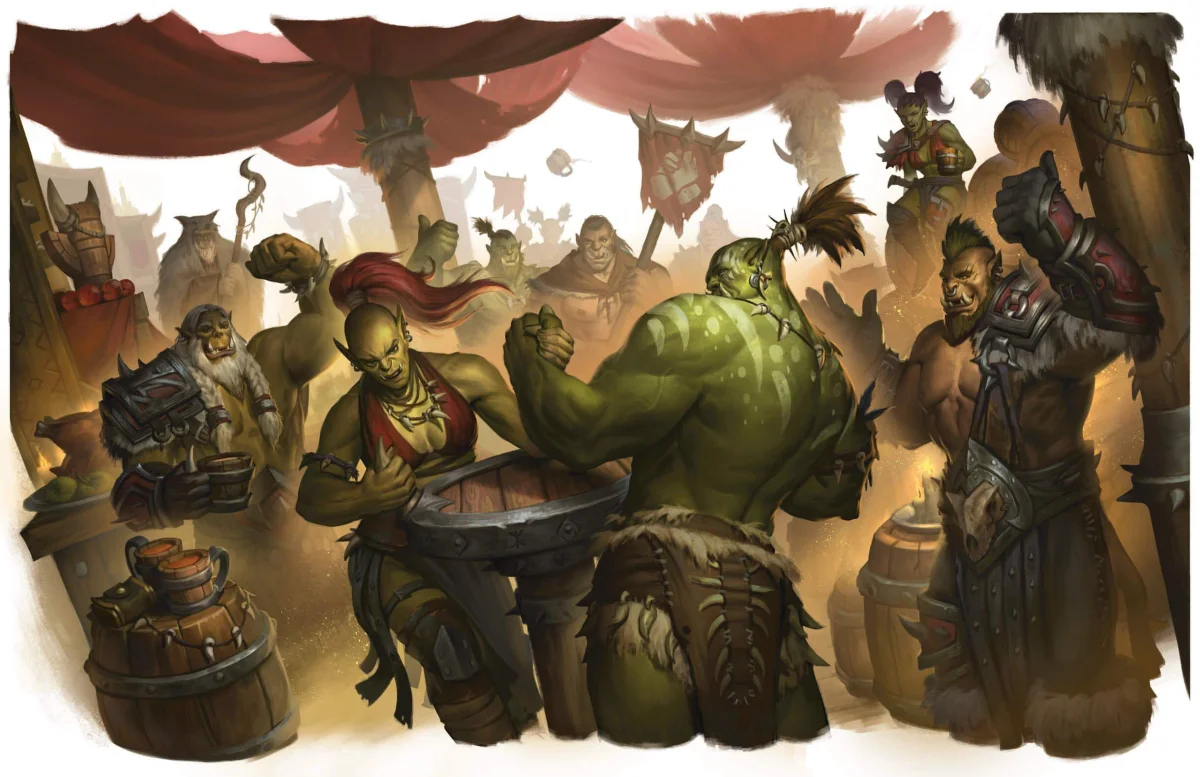
Orcs descend from Grond, a living mountain shaped by the titan Aggramar. They may be the smallest and weakest of Grond’s descendants, but their fierce intellect and strong community define them. Deception transformed the orcs into a destructive force bound to the Legion. After years in internment camps, a young warchief, Thrall, led them out of demonic corruption and back toward their ancestral heritage.
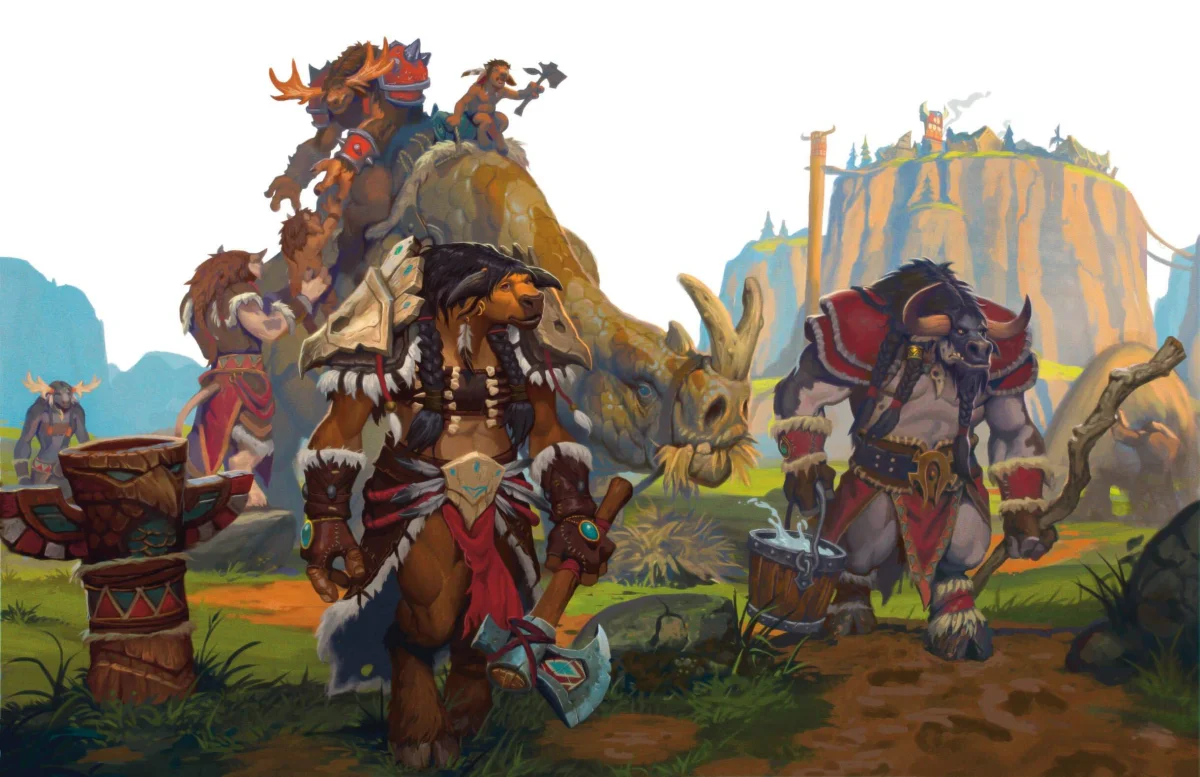
Tauren descend from the yak-like yaungol, who roamed Kalimdor when it was still a single continent. The Well of Eternity’s magic changed the yaungol into tauren. For generations, they hunted mighty kodos across the Barrens and sought the wisdom of the Earth Mother. Cairne Bloodhoof later befriended Thrall and established Thunder Bluff, a refuge for tauren of every tribe. His son Baine leads the community today.
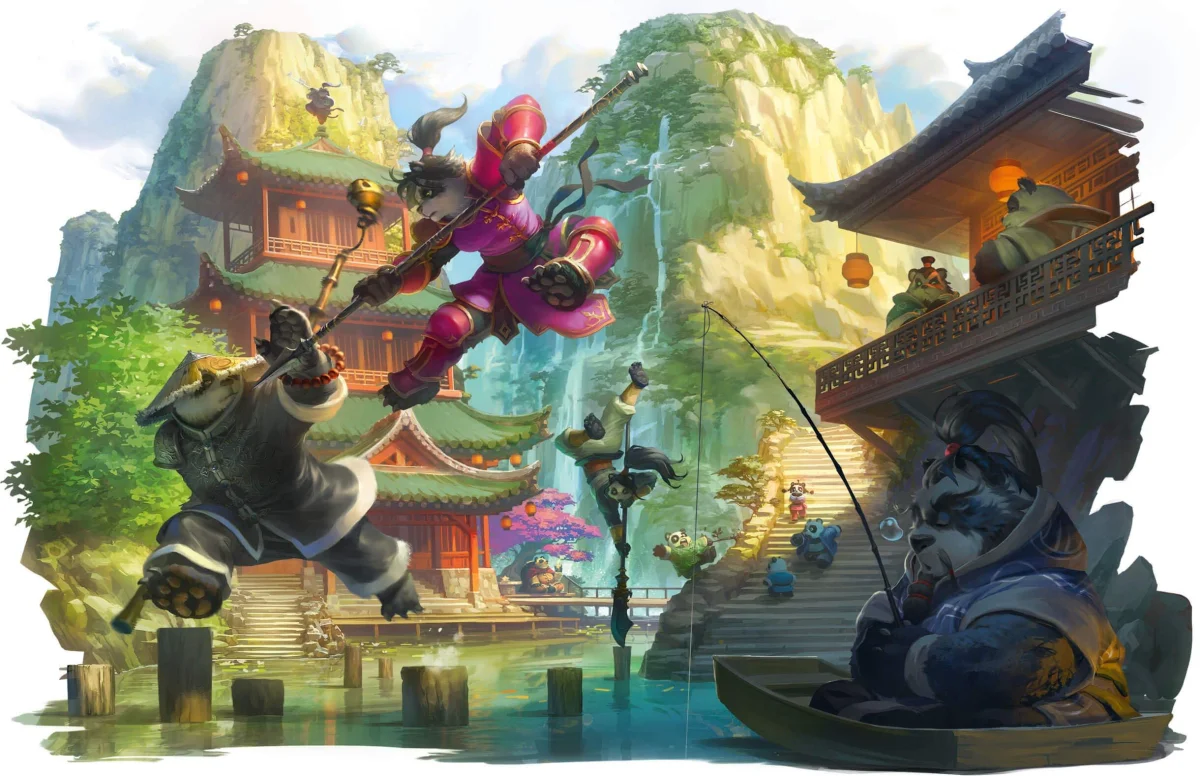
Pandaren settled around the Vale of Eternal Blossoms millennia before the Great Sundering. They served the four August Celestials—Chi-Ji, Niuzao, Xuen and Yu’lon—until the mogu conquered them and suppressed weapons and literacy. The pandaren trained to fight without weapons, overthrew their rulers and built an empire. Two philosophies still guide their outlook: Huojin favors taking direct action, while Tushui values careful deliberation.
Ingenuity, tradition and life on the margins
Gnomes came from mechagnomes created by the titans. Most succumbed to the curse of flesh, left their assigned work behind and eventually established Gnomeregan in the mountains of Dun Morogh. Their passion for radical technology and ambitious engineering makes invention central to their story.
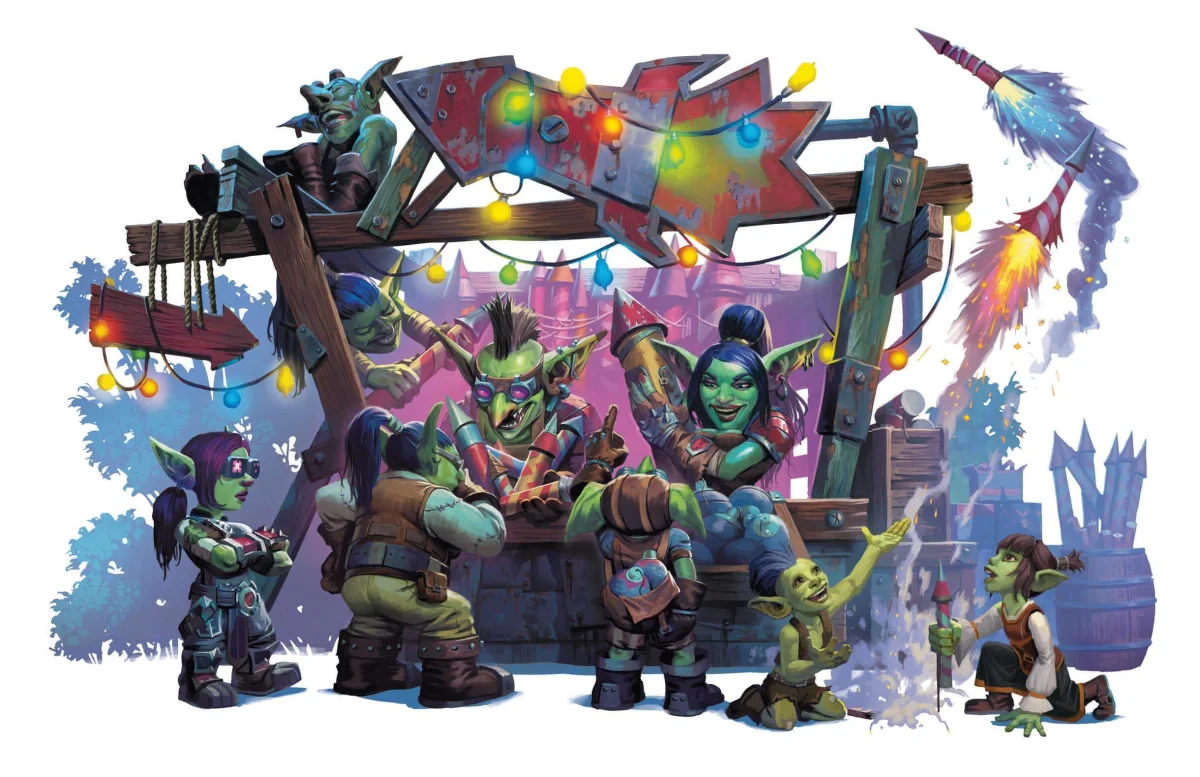
Goblins came into being through Keeper Mimiron’s experiments with kaja’mite, a strange ore with magical properties. Zandalari trolls later enslaved them to mine the same ore. Over centuries, goblins secretly built weapons, traps and explosives using engineering and alchemy. They used their creations to drive the trolls from the island, then turned against one another and formed cartels.
Haranir live in Harandar, a hidden underground realm where the roots of the World Trees meet. Their druidic traditions connect them to the earth and call on them to protect those roots. They have kept their existence secret from other peoples for a long time, and tend to distrust strangers.
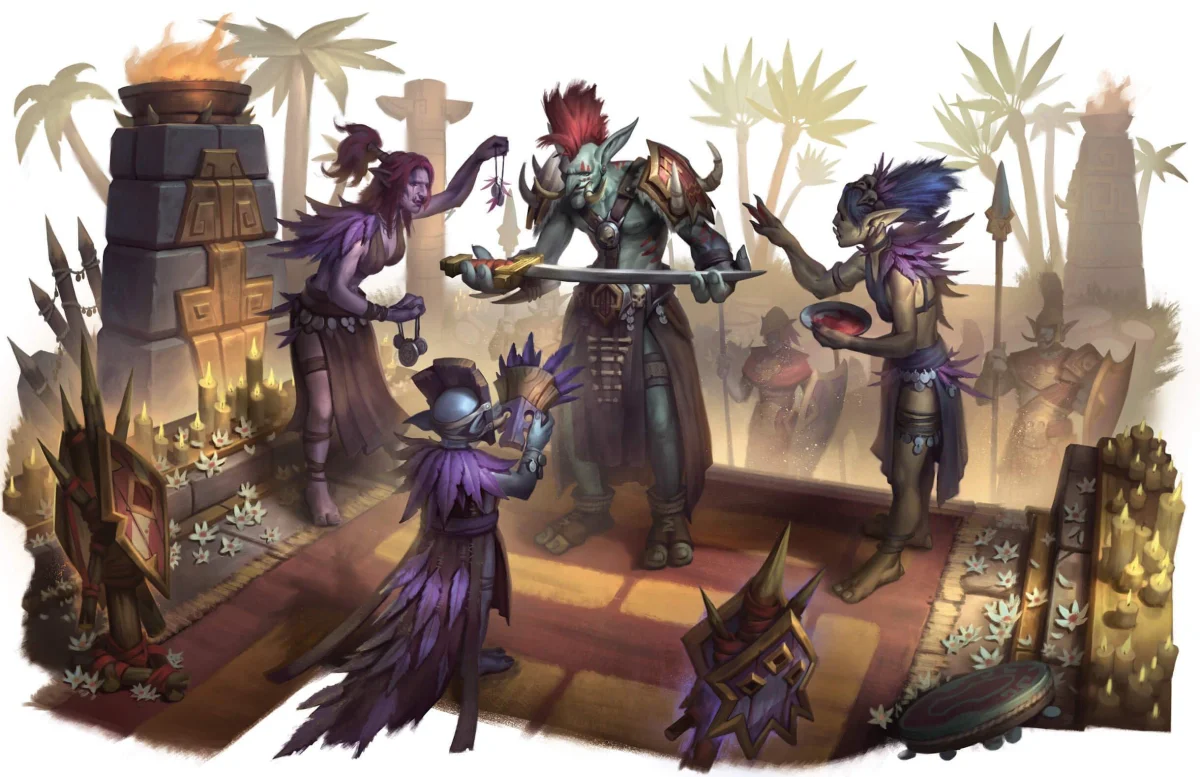
Trolls are among Azeroth’s oldest peoples. They revered nature’s Wild Gods, whom they called loa, a term later used for almost anything they chose to serve. Zandalar was the first center of troll society, with the city of Zuldazar at its heart. That empire has since fallen apart into tribes that still occupy its old fortresses. Trolls average more than seven feet tall, and their natural healing is unmatched.
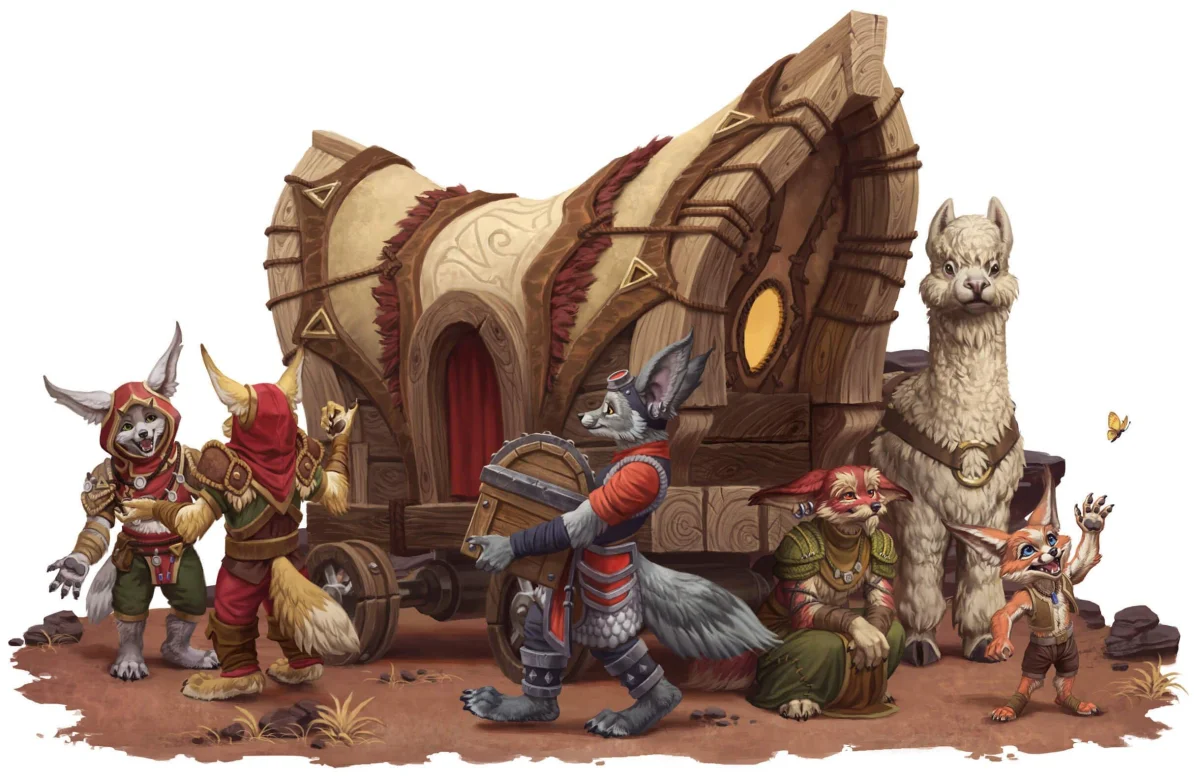
Vulpera are small, fox-like people from Vol’dun’s deserts. They travel in close-knit caravans, using alpaca-pulled wagons to gather supplies across the dunes. Their size belies their skill in battle: they’re fierce and cunning, despite a long history of being terrorized by the serpentine sethrak.
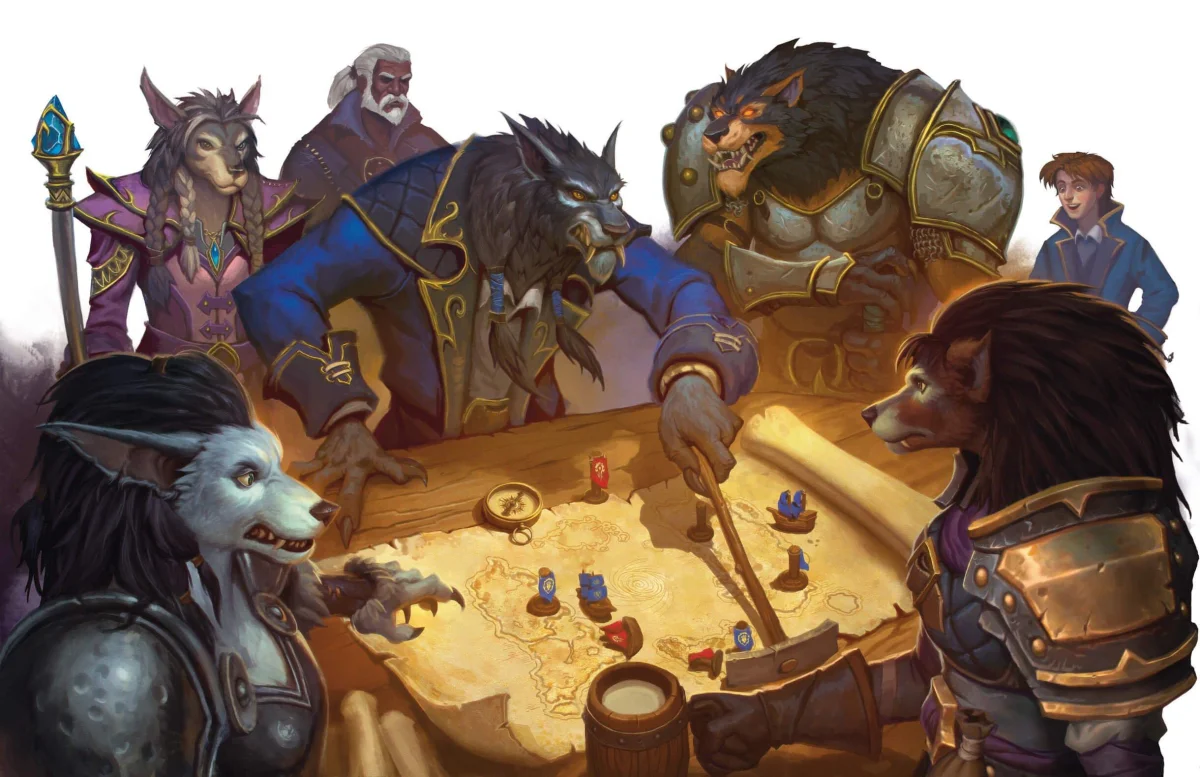
Worgen carry a curse that began among night elf Druids of the Pack during the War of the Satyr, more than nine thousand years ago. Inspired by the lupine Wild God Goldrinn, the druids adopted a feral pack form and fell to its rage. For Gilnean worgen, the Ritual of Balance helps control their transformations and preserve a clear mind in their bestial form.
Make an Azeroth character
These 16 species offer distinct starting points for a character, whether a player wants to revisit a familiar World of Warcraft identity or imagine someone new. D&D: World of Warcraft brings the peoples of Azeroth into a tabletop roleplaying game, with histories that can inform how a character sees the world and chooses their path.
Related reading: Ready Your Champion: All 9 Subclasses in D&D: World of Warcraft; Become a Champion of Azeroth with these 13 World of Warcraft Classes; Meet the Five Dragonflights of D&D: World of Warcraft.