5 D&D: World of Warcraft Multiclass Builds for Champions of Azeroth
Five builds pair Azeroth’s class fantasies with tabletop tactics, from a stealthy archer to a durable summoner and a party-saving bodyguard.
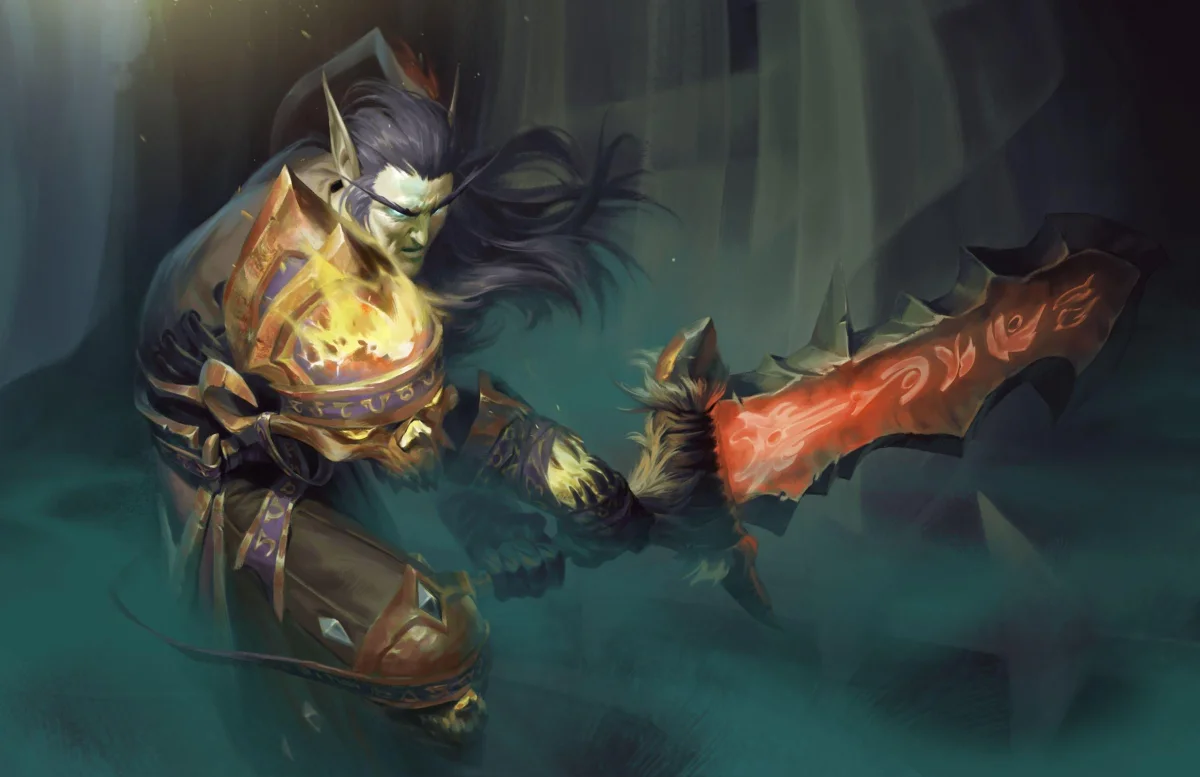
D&D: World of Warcraft brings Azeroth’s classes and specializations to tabletop play, where multiclassing lets characters combine abilities into distinctive combat roles. The five builds here show how those pairings can reshape a champion: a covert fighter who can hold their ground, a spell-enhanced paladin, a lethal hidden archer, a protective frontline tank, and a shadowy summoner.
Each concept comes with a suggested progression, but the level splits are starting points rather than the only way to play. Your choice of starting class affects early proficiencies and durability, while the order of later levels determines when signature features arrive. Check the multiclass rules in the D&D Beyond Basic Rules, and talk the build through with your DM.
Armed Infiltrator: Subtlety Rogue and Arms Warrior
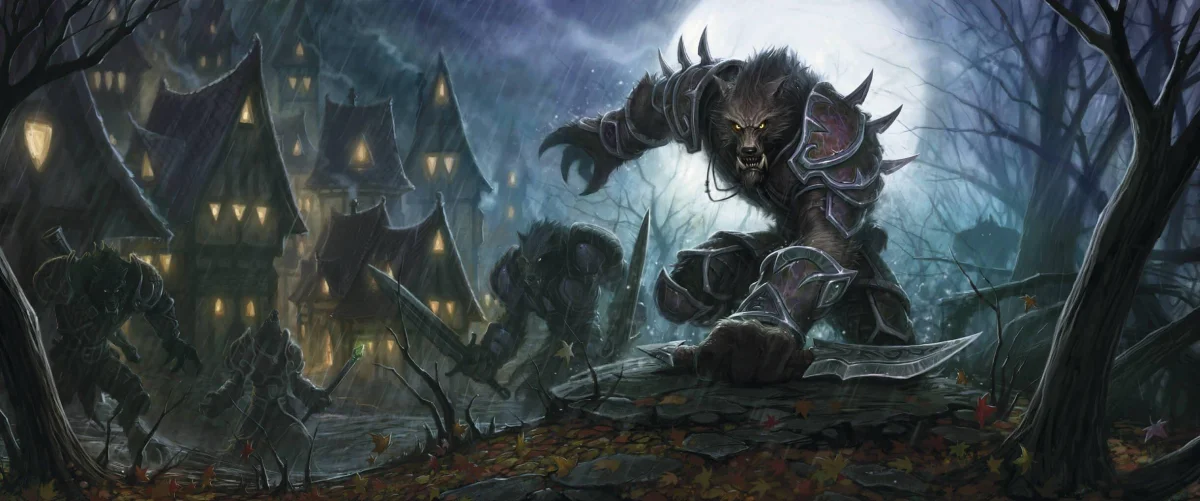
A Subtlety Rogue succeeds through stealth, mobility, and precise attacks. Add an Arms Warrior’s martial staying power, and getting discovered doesn’t have to end the mission. This pairing is built for a character who can slip past a guard, strike quickly, and still threaten enemies when the fight becomes unavoidable.
Start as a Rogue to gain Dexterity and Intelligence saving throw proficiency alongside the class’s skill options. Beginning as a Warrior grants a little more starting durability and armor proficiency, so that choice may suit a character whose early survival matters most. The Rogue start, however, better supports the infiltrator’s skills and defenses.
The suggested route takes seven Rogue levels first, using the Soulknife subclass. That progression reaches Cunning Strike at Rogue level 5, Expertise at level 6, and Evasion and Reliable Talent at level 7. From there, seven levels in Warrior, using Battle Master, add Action Surge, Second Wind, maneuvers, and a fifth Superiority Die. If the adventure continues beyond character level 14, return to Rogue for further improvements and the next Soulknife feature.
The build’s appeal is how it joins battlefield control to movement. Use Battle Master maneuvers and Cunning Strikes during your action, then use Cunning Action as a Bonus action to reposition or disappear from view. Mage Slayer, Shadow Touched, Skilled or Skill Expert, and Skulker all fit the concept, depending on whether you want more magic, expertise, or help staying hidden.
Heightened Threat: Augmentation Evoker and Retribution Paladin
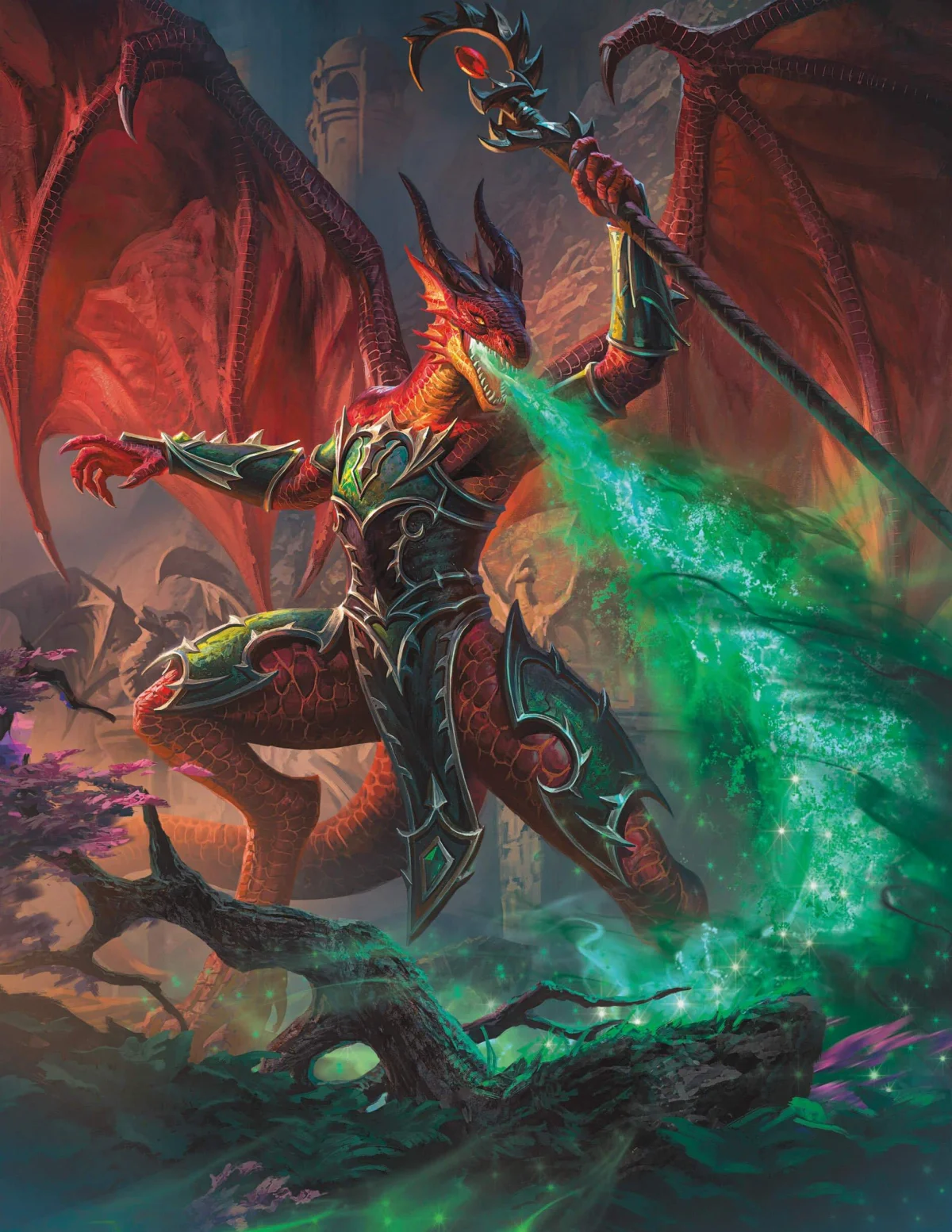
This combination gives a dracthyr Evoker a sword, an oath, and a potent mix of spellcasting and melee pressure. A Retribution Paladin can open with a Quickened control or buff spell, then bring divine attacks to bear while maintaining Concentration. The same spellcasting levels that support those effects also provide slots to fuel smites.
Begin with Evoker if Constitution saving throw proficiency is central to keeping augmentation spells active. Starting as a Paladin instead offers more Hit Points early, Wisdom saving throw proficiency, and access to Heavy armor. Neither route is an obvious winner; it comes down to whether you value concentration or a sturdier opening.
The proposed progression takes three levels in Augmentation Evoker, represented by Draconic Sorcery, for Metamagic, Font of Magic, and the Sorcerer subclass. Three Paladin levels follow, with Oath of Vengeance providing the core paladin kit and smites. Return to Evoker for levels 4 and 5 to gain access to level 3 spells such as Haste, Slow, and Blistering Scales. Evoker level 6 is optional, particularly if you expect to use spells such as Searing Smite or Thunderous Smite. After that, continuing as Evoker opens the path toward level 9 spells.
Metamagic expands the Paladin’s options beyond weapon attacks. Empowered and Heightened effects can strengthen smites; Quickened casting can let a Protection Paladin cast Aid or Protection from Evil and Good before attacking. A Retribution Paladin can use Distant Bane or Twinned Hold Person to influence a fight from a different angle. Spells such as Enlarge/Reduce and Haste can also reinforce a frontline character, while the Paladin’s armor and durability help protect Concentration.
Feat choices can support either side of the build. Crusher, Piercer, or Slasher matches your weapon’s damage type; Mage Slayer, Tough, and War Caster offer other useful directions. Resilient (Constitution) can help if you started as Paladin. Paladins and Death Knights can both benefit from the spellcasting support, and the concept can be adapted beyond Retribution.
Hidden Danger: Marksmanship Hunter and Assassination Rogue

The Marksmanship Hunter and Assassination Rogue combine ranged precision with stealth and a devastating opening strike. The Hunter can bring down large targets from a distance; the Rogue can approach unseen, attack with precision, and vanish. Together, they suit a character who wants to control when a fight begins—and make the first hit count.
Hunter’s Colossus Slayer can add force to an arrow, while Sneak Attack and Cunning Strikes bring the Rogue’s damage and tactical options into the same turn. Expertise in Stealth and the Skulker feat can help the character stay concealed. Archery Fighting Style, Crossbow Expert, or Sharpshooter give the ranged side more weight. Hunter’s Lore, Hunter’s Prey, and Defensive Tactics round out the combination alongside Cunning Action and Assassinate.
Starting as a Hunter provides Strength and Dexterity saving throw proficiency and additional early Hit Points. The tradeoff is one fewer skill proficiency than the Rogue start, so choose Rogue first if skills matter more to your character.
The sample build takes three Hunter levels first, using the Hunter subclass, then three levels of Assassination Rogue with the Assassin subclass. That reaches the Rogue’s core kit, including Sneak Attack, Expertise, Cunning Action, and Assassinate. Rogue levels 4 and 5 are optional additions for Cunning Strike and Uncanny Dodge; levels 6 and 7 add Evasion and Reliable Talent while increasing Sneak Attack damage. At character level 11, the outline returns to Hunter, where the next five levels bring two Ability Score Improvements, an extra attack, level 2 spells, and Defensive Tactics.
Crossbow Expert, Piercer, Sharpshooter, Skulker, and Speedy are suggested feats. The strongest version of the concept is patient: identify a target, keep out of sight, and use the Hunter’s range and Rogue’s opening damage to shape the encounter before enemies can respond.
Perfect Bodyguard: Enhancement Shaman and Protection Warrior
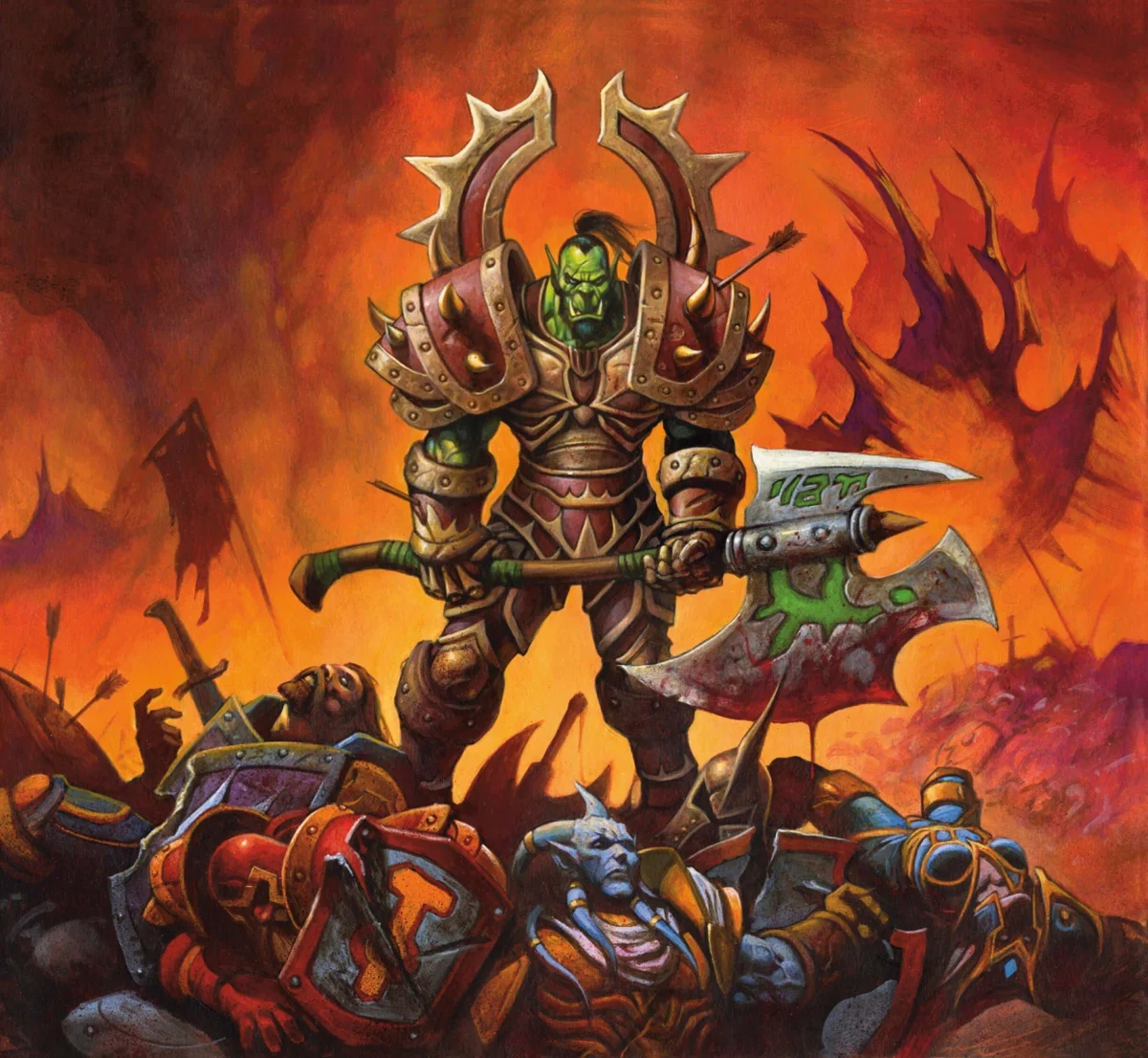
Enhancement Shaman and Protection Warrior each bring tools for keeping allies safe, but they do it differently. The Shaman supports the group with totems and spiritual defenses; the Warrior stands between friends and danger. Combining them creates a frontline character who can protect allies while also forcing enemies to deal with them.
Start with Shaman, represented by the Path of the Spiritual Guardian Barbarian subclass. The suggested progression reaches level 6 before adding Warrior levels, gaining Rage, the core Shaman kit, and Spirit Shield. That feature lets you use your Reaction to reduce damage to an ally. Continuing Shaman through level 9 adds Feral Instinct, Instinctive Pounce, and Brutal Strike before the build turns to Warrior.
Three levels of Protection Warrior, represented by Battle Master, bring Action Surge, Second Wind, and maneuvers such as Warding Maneuver, which can raise an ally’s AC against an incoming attack. Past character level 12, the guide leaves the choice open: keep advancing as Shaman or Warrior according to the features and play style you enjoy most.
The Shaman side adds Hit Points, Advantage on Dexterity saving throws, Rage, and totems that can grant buffs or inflict debuffs nearby. Spiritual abilities can draw an enemy’s attention or ward allies from harm. Warrior training then adds more ways to disrupt attackers: maneuvers can knock foes Prone, disarm them, impose Disadvantage on attacks against other creatures, or leave them Frightened.
Crusher, Piercer, or Slasher can match your weapon, while Durable, Inspiring Leader, Sentinel, Shield Master, and Tough support different protective approaches. The build’s core decision is tactical: step in to absorb danger, or use control effects to make attacking your allies a worse option.
Wayward Devotee: Shadow Priest and Affliction Warlock
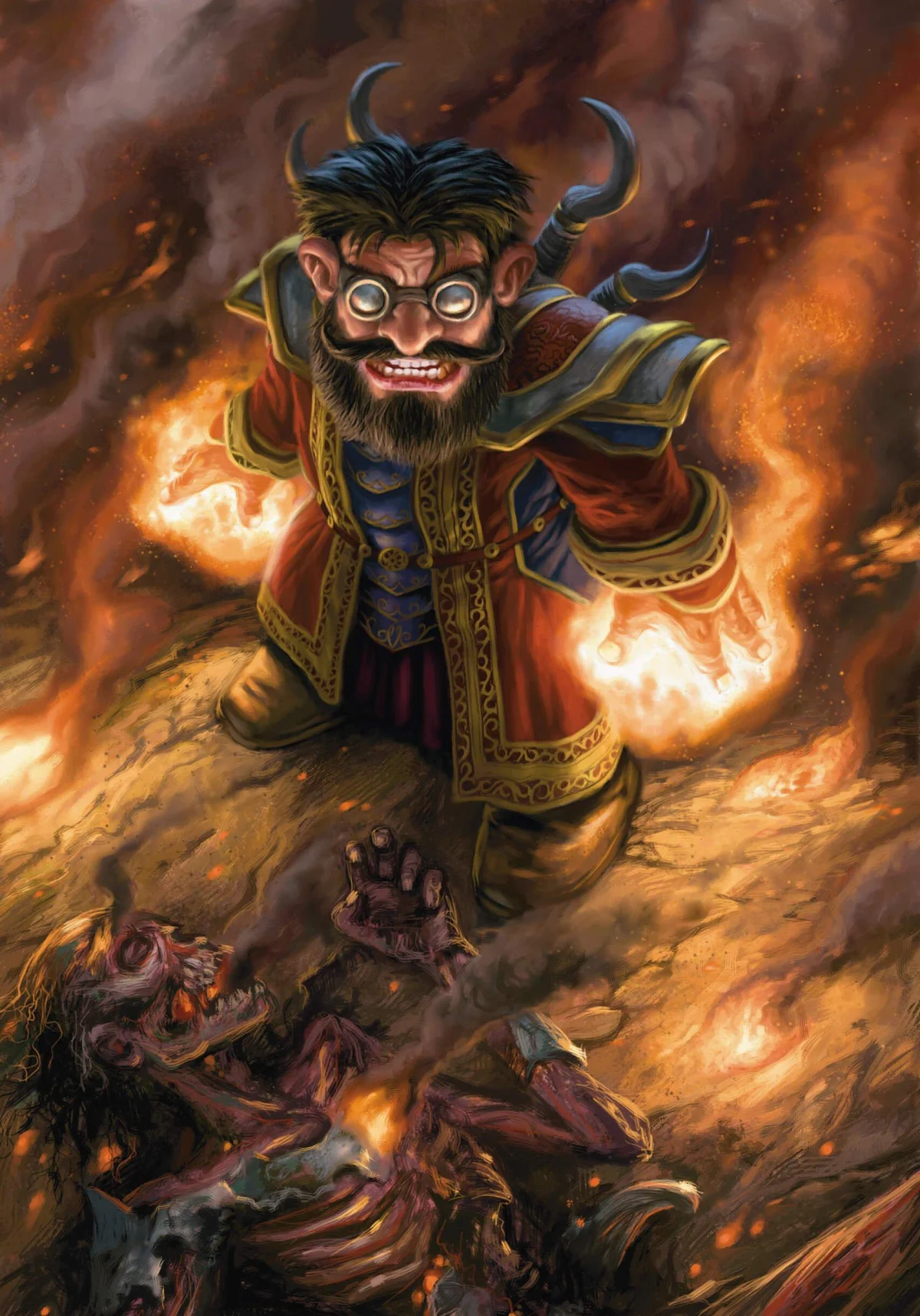
A Shadow Priest who turns toward forbidden pacts can become a durable controller with a host of summoned creatures. This pairing combines shadow magic, life-draining attacks, and the power to command aberrations. Compared with an Affliction Warlock alone, the Priest levels add healing and survival tools, while Warlock levels strengthen the summoning side.
The build can start in either class. Both use a d8 Hit Point Die and grant Wisdom and Charisma saving throw proficiency. The Priest’s Divine Order feature can provide Heavy armor proficiency whichever class comes first. Compare the available skill proficiencies, or start as Priest if the adventure begins at a low level and you want Heavy armor and a shield from the outset.
The suggested route takes six levels in Shadow Priest, represented by the Shadow Domain Cleric. Early levels provide healing spells and Shadowform, which can boost lower-level spell damage or let you Hide while your summons act. Devouring Plague can trigger multiple times in a turn when numerous summons are present. At Priest level 5, Mass Healing Word adds group support; level 6 brings Dispersion, a survival feature that costs a full turn to recharge. Your summons can still act—or draw attention—while you recover.
From character level 7 onward, the plan puts remaining levels into Affliction Warlock, represented by the Great Old One Patron. Its Eldritch Invocations at levels 5 and 9 can improve summoned creatures’ power and durability. In play, the character can use an action to heal allies while commanding summoned creatures to attack with a Bonus action.
Keep the spellcasting abilities in mind when choosing spells: Priest magic uses Wisdom, while Warlock magic uses Charisma. Spells that don’t rely on a casting modifier, such as Bless or Aid for the Priest, can make it easier to prioritize one ability score. Heavily Armored, Inspiring Leader, Shadow Touched, and Tough are potential feats for this blend of support, control, and summoning.
Five routes to a different champion
These builds offer different levels of complexity. Adding Warrior levels to a Rogue or Shaman gives a focused boost to combat options and durability. Pairing Evoker with Paladin or Priest with Warlock asks you to manage more interactions between spells, resources, and turn-by-turn choices.
The larger appeal is the room to build a character around a specific fantasy: a dragon-blooded paladin, a hidden archer, a guardian who shields allies, or a shadow caster who fights alongside summoned creatures. Use the suggested progressions as a guide, then adjust the class split to match the campaign’s pace and the features you most want to play.
Explore the related character options in Ready Your Champion: All 9 Subclasses in D&D: World of Warcraft, Starting a Life in Azeroth with Professions and Factions, and Become a Champion of Azeroth with these 13 World of Warcraft Classes. The best multiclass is the one whose turn-by-turn choices make your version of Azeroth feel like your own.