9 World of Warcraft Subclasses Bring Azeroth’s Heroes to D&D
From rune-wielding Death Knights to elemental Shamans, nine subclasses add distinct Azeroth-inspired roles and abilities to D&D.
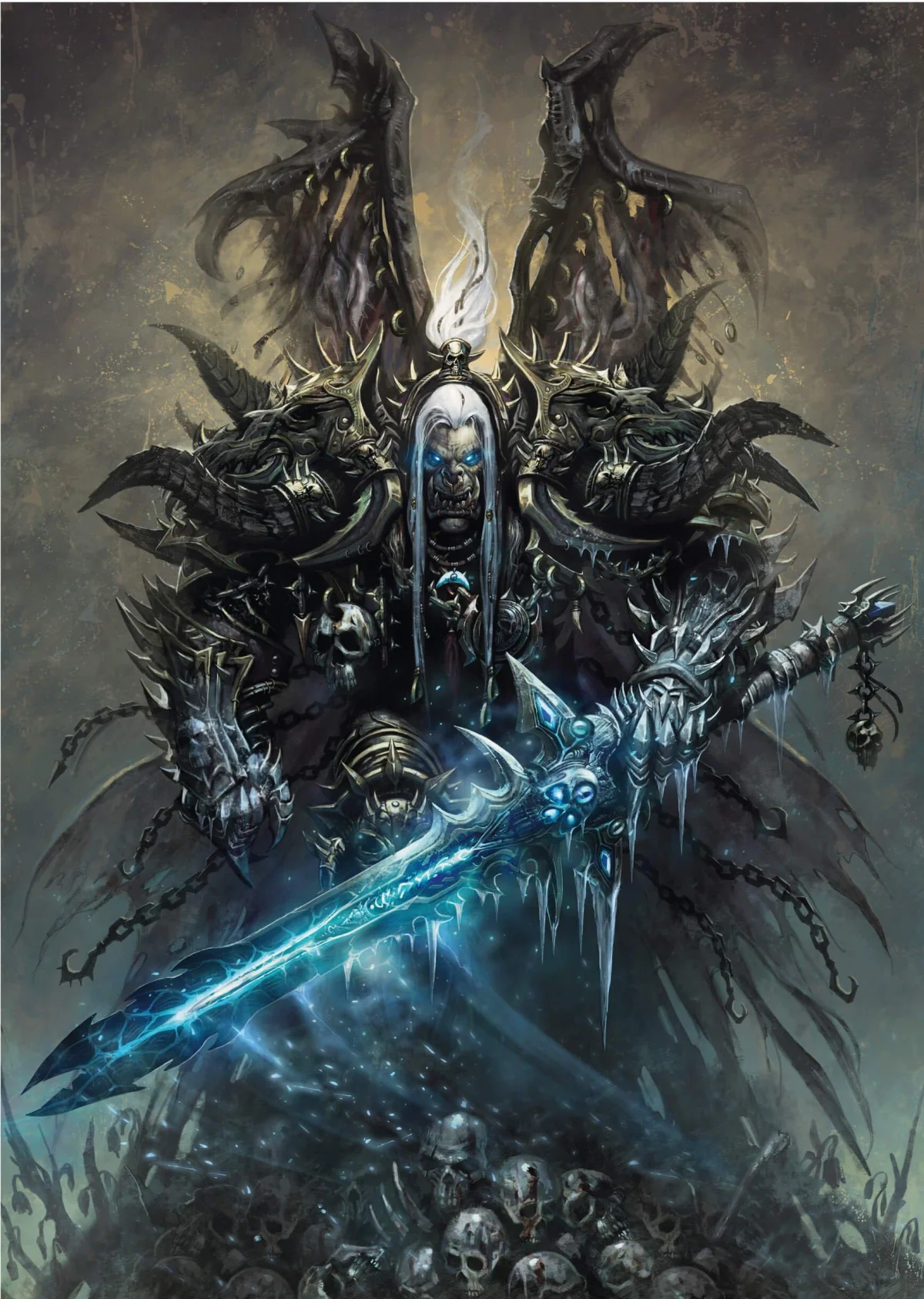
The nine subclasses in D&D: World of Warcraft® give players a set of sharply defined ways to bring Azeroth’s heroes to the table. They adapt familiar roles into D&D’s rules: Death Knights turn runes and necrotic magic into their tools, Priests can heal through the damage they deal, and Shamans choose between spirit support and elemental force.

The options are built on existing classes, with some changing core features to suit their World of Warcraft inspirations. The roster includes one subclass each for Paladins, Rangers, Monks and Rogues, two Cleric domains, and two Shaman paths. Together, they cover frontline durability, mobility, healing, control and damage, with class features that develop as characters gain levels. A previous overview of the 13 World of Warcraft classes and their specializations explains how the broader class roster maps onto D&D.
Death Knights wield runes and necrotic power
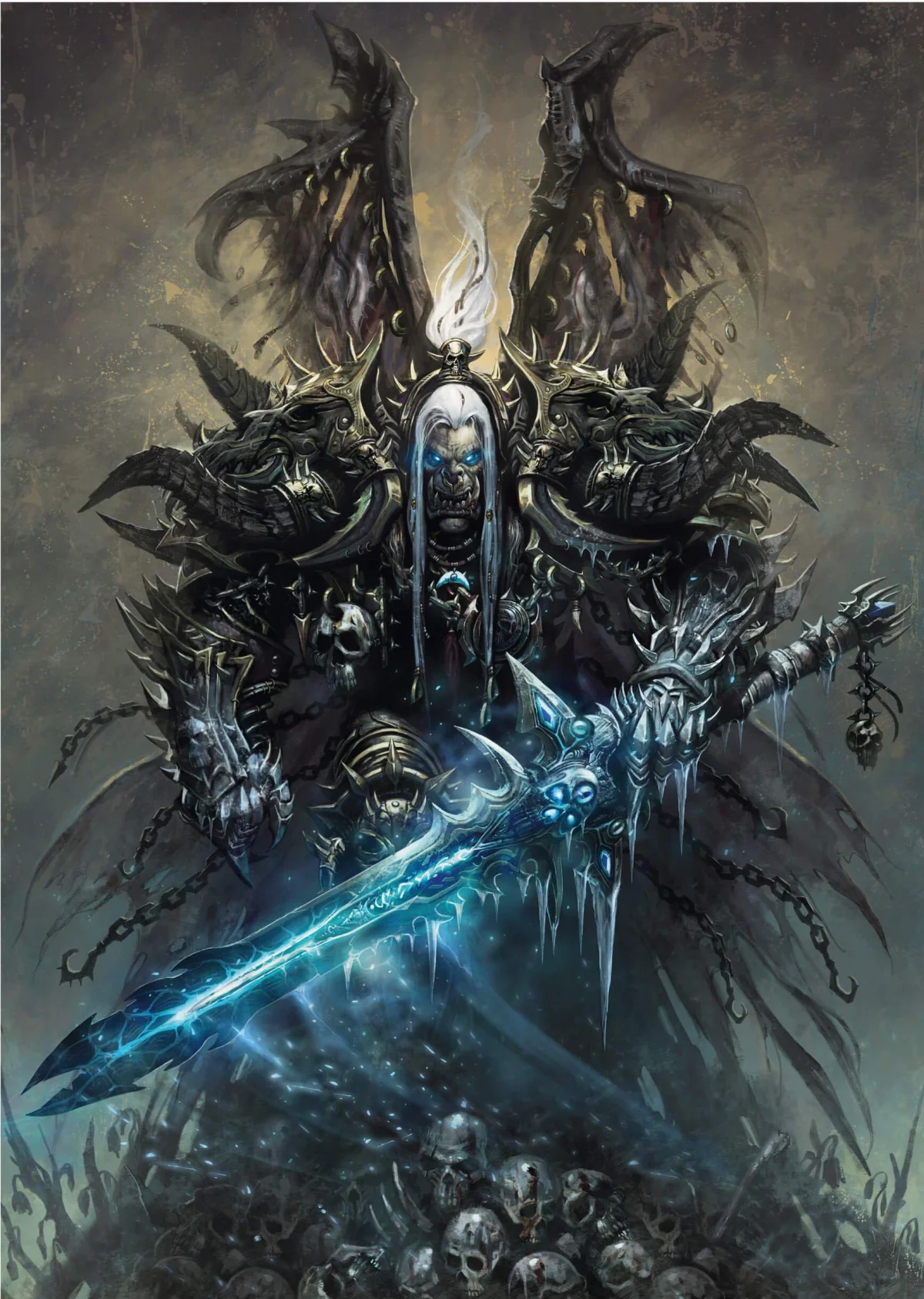
The Oath of the Ebon Blade recasts the Paladin as a Death Knight, rooted in the order’s break from the Lich King and its fight against the Scourge. Its core class changes make that identity clear. Death Coil replaces Lay on Hands with a dice pool that can harm enemies or restore Hit Points to Undead. Runic Smite takes the place of Divine Smite, swapping the Divine Smite spell for Rune Strike, which deals Necrotic damage instead of Radiant.
Specialization shapes the Death Knight’s prepared spells and the rune placed on their main weapon. Blood runes manipulate life energy; Frost runes bring winter’s slowing, shattering force; and Unholy runes curse and weaken opponents. Each path draws on entropy magic and can summon the Undead. Runic Power lets the character spend a use of Channel Divinity to add an effect after landing a Rune Strike, giving a successful hit extra weight.
The subclass also brings a distinctly eerie mount. Its Otherworldly Steed can be Undead, deal Necrotic damage and use Ghostly Stride to carry itself and its rider through solid objects for one turn. Later, Runic Mastery unlocks a powerful once-per-day ability tied to the weapon rune. At the height of the class, Aspect of the Horsemen lets the Death Knight use the benefits of runes beyond their chosen specialization. The result is a Paladin framework built around weapon identity, battlefield pressure and the macabre.
Demon Hunters turn souls into fuel
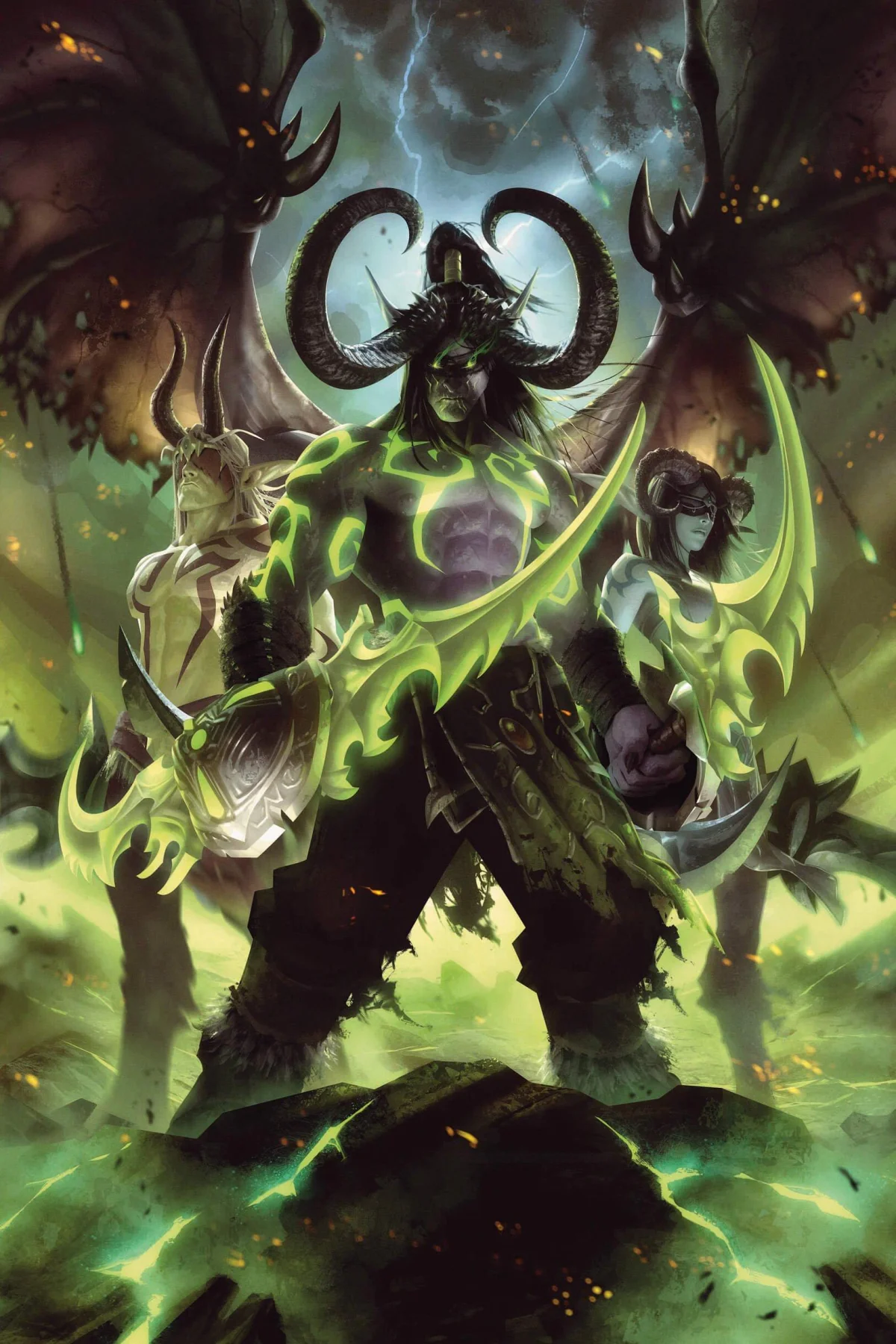
The Demon Hunter adapts the Ranger around fel magic and the perilous choice to fight demons with their own power. Training begins with consuming a demon’s essence, and the resulting gifts can leave visible marks, including horns and batlike wings. In play, the subclass leans into that unusual bond through changes to the Ranger’s class features: its Spellcasting Focus becomes an Arcane Focus, and its Void Warrior Fighting Style grants Warlock cantrips in place of the Druid cantrips offered by Druidic Warrior.
Soul Fragments give the class its central resource. When an enemy dies nearby, the Demon Hunter can collect a fragment and later spend fragments to cast certain spells or use Soul Cleave. That feature sends out a burst of soul energy that damages nearby foes and restores Hit Points. Even a newly trained Demon Hunter has 10 feet of Blindsight through Spectral Sight.
As the character advances, Torment strengthens Hunter’s Mark and draws a marked target’s attention toward the hunter. Illidari Knowledge expands the spells that can be cast with soul fragments, including Counterspell and a new ranged attack spell. Later improvements ensure the Demon Hunter begins combat with at least one fragment and make Soul Cleave hit harder. Improved Spectral Sight eventually grants 30 feet of Truesight, a strong answer to concealed or deceptive threats.
Mystic Brews make the Monk hard to read

The Warrior of Mystic Brews turns the Monk’s movement and misdirection into a full character concept. These fighters cultivate an unassuming, sometimes erratic persona, then reveal precise combat skills when a fight begins. Their brewing is part of the toolkit, too: magical drinks offer protection, healing or a burst of fire.
At the outset, the Monk gains proficiency in Performance and Brewer’s Supplies. Drunken Technique adds speed when the character uses Patient Defense and allows an Unarmed Strike as part of that same Bonus action. It’s a compact expression of the subclass’s central trick: defensive movement can also set up an attack.
Tipsy Sway develops that idea as the Monk grows. It helps them rise from being knocked Prone and lets them redirect a missed attack toward a nearby enemy. Mystic Brew adds recipes the character can drink, including options that grant damage Resistances, provide dice to improve healing, or create a Cone of flame. More advanced recipes bring luck and improved mobility.
At the top end, Master Brewer combines two recipes into one drink, broadening the choices available in a single use. Intoxicated Frenzy then sends the Monk charging through a room, attacking every creature within reach and knocking targets Prone when a hit lands. It’s a mobile, close-range subclass with a playful surface and a practical set of tools for staying upright and disrupting a crowd.
Holy Paladins build a healing aura
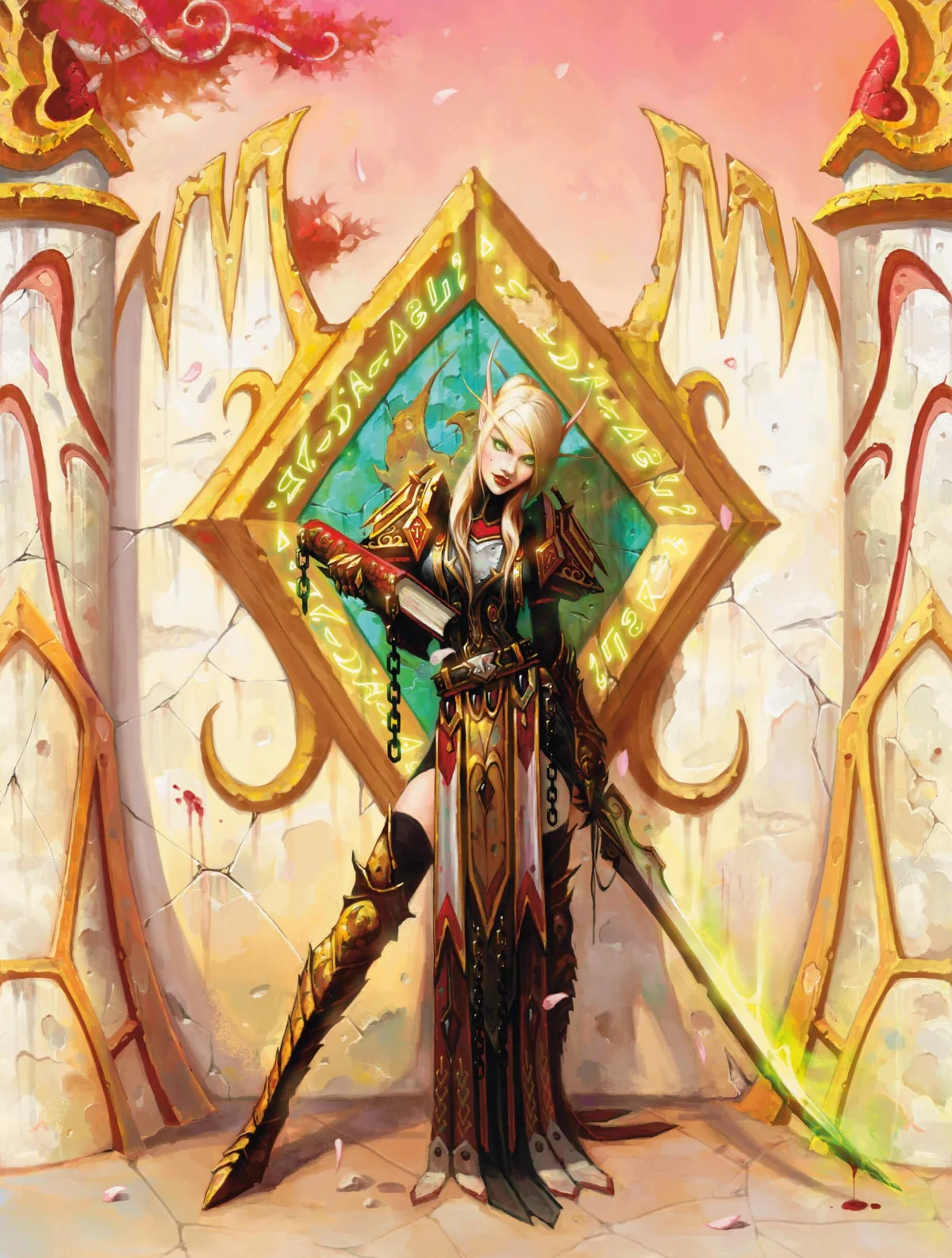
The Oath of the Holy puts the Paladin’s protective role front and center. Its spells support healing several allies, warding companions against death and clearing harmful effects. Beacon of Light adds a distinctive group-healing loop: by spending Channel Divinity, the Paladin surrounds one ally with holy energy, restoring Hit Points to them equal to half the healing the Paladin gives another creature.
As the Paladin develops its healing, Lightbringer’s Aura adds Hit Points to creatures healed inside its Aura of Protection. Infusion of Light turns offense into another source of support by letting the Paladin replenish its Lay on Hands pool through Radiant damage. That link between striking enemies and restoring the capacity to heal gives the oath a way to keep supporting a party during a prolonged fight.
Holy Deliverance, the subclass’s capstone, strengthens Aura of Protection and makes it radiate sunlight. Bloodied allies who begin their turn inside the aura regain Hit Points. The design keeps the Paladin close to the group: its strongest protection and recovery tools reward allies who fight within its reach.
Discipline Priests connect damage and healing
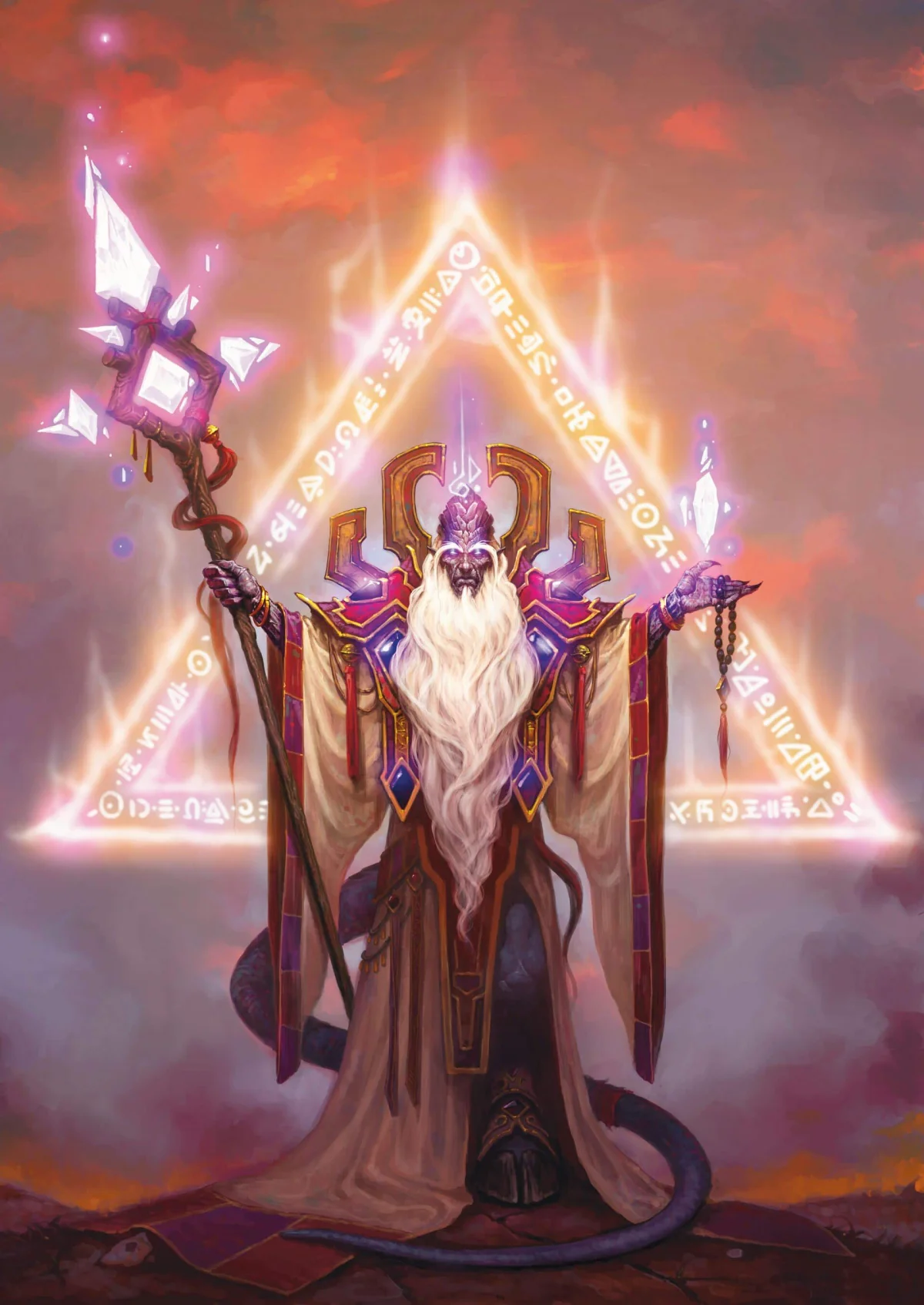
The Discipline Domain is a Cleric subclass for Priests who draw on both Light and Void. Its mechanical hook is a direct exchange between offense and support, letting one action affect enemies and allies together. Domain spells provide ways to shield companions and attack foes, while the Channel Divinity option Holy Bolt damages an enemy and heals an ally at the same time.
Atonement makes that relationship more persistent. A spell that heals a creature also gives it a temporary blessing; when the Priest later damages an enemy, those blessed allies regain Hit Points. This lets a Discipline Priest spread healing through attacks and can help multiple party members recover without spending a turn on Mass Healing Word.
Luminous Barrier adds protection to the Atonement loop. Blessed creatures gain Temporary Hit Points and Resistance to all damage while those Temporary Hit Points remain. At the subclass’s peak, Holy Bolt can strike several enemies and heal an equal number of allies, with the Priest able to teleport immediately before releasing the bolts. For players who want to support a group while staying active against its threats, this domain ties the two jobs together at every stage.
Shadow Priests make danger part of the plan
The Shadow Domain also builds on the Cleric, but turns toward Void magic, Psychic and Necrotic damage, and the risk of corruption. Its spells let the Priest twist minds, drain life and call on forces associated with the Old Gods. An early Channel Divinity option creates Shadowform, making it easier to Hide while empowering spells that deal Psychic or Necrotic damage. Devouring Plague drains health from creatures that fail a saving throw.
Dispersion gives the Priest a defensive reaction for a dangerous moment. For one round, they scatter into shadowy energy. When they return, they can spend Hit Point Dice to recover a large amount of Hit Points, and they can Fly up to 40 feet during the escape. That movement can put the Priest outside an attacker’s reach when they reform. At the height of their power, Shadowform also heals nearby creatures whenever the Priest deals Psychic or Necrotic damage, adding group support to a subclass built around offensive magic.
Swashbucklers turn movement into pressure
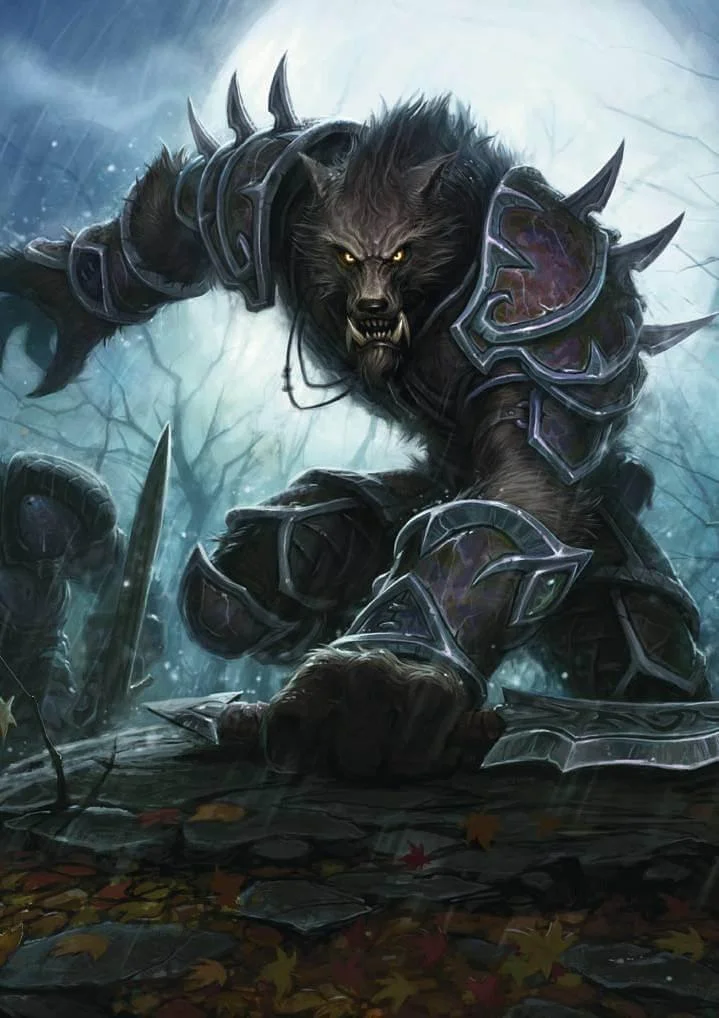
The Swashbuckler gives the Rogue a duelist’s rhythm: step into danger, land a precise strike, then move before enemies can punish the approach. Fancy Footwork prevents Opportunity Attacks from creatures the Rogue has already attacked that turn. Rakish Audacity improves Initiative and helps the Rogue use Sneak Attack while dueling an isolated target, including a mage or archer behind the front line.
Panache adds options to Cunning Strike, letting the Swashbuckler provoke an opponent into attacking before moving away with Cunning Action, or Charm a creature briefly. Dashing Strikes later extends the Rogue’s influence beyond their own movement, with options to invigorate allies or parry enemy attacks. Master Duelist caps the progression with an extra attack against a target the Rogue has just hit with Sneak Attack. The subclass rewards players who want to control the tempo of a duel without standing still.
Shamans choose spirits or raw elements
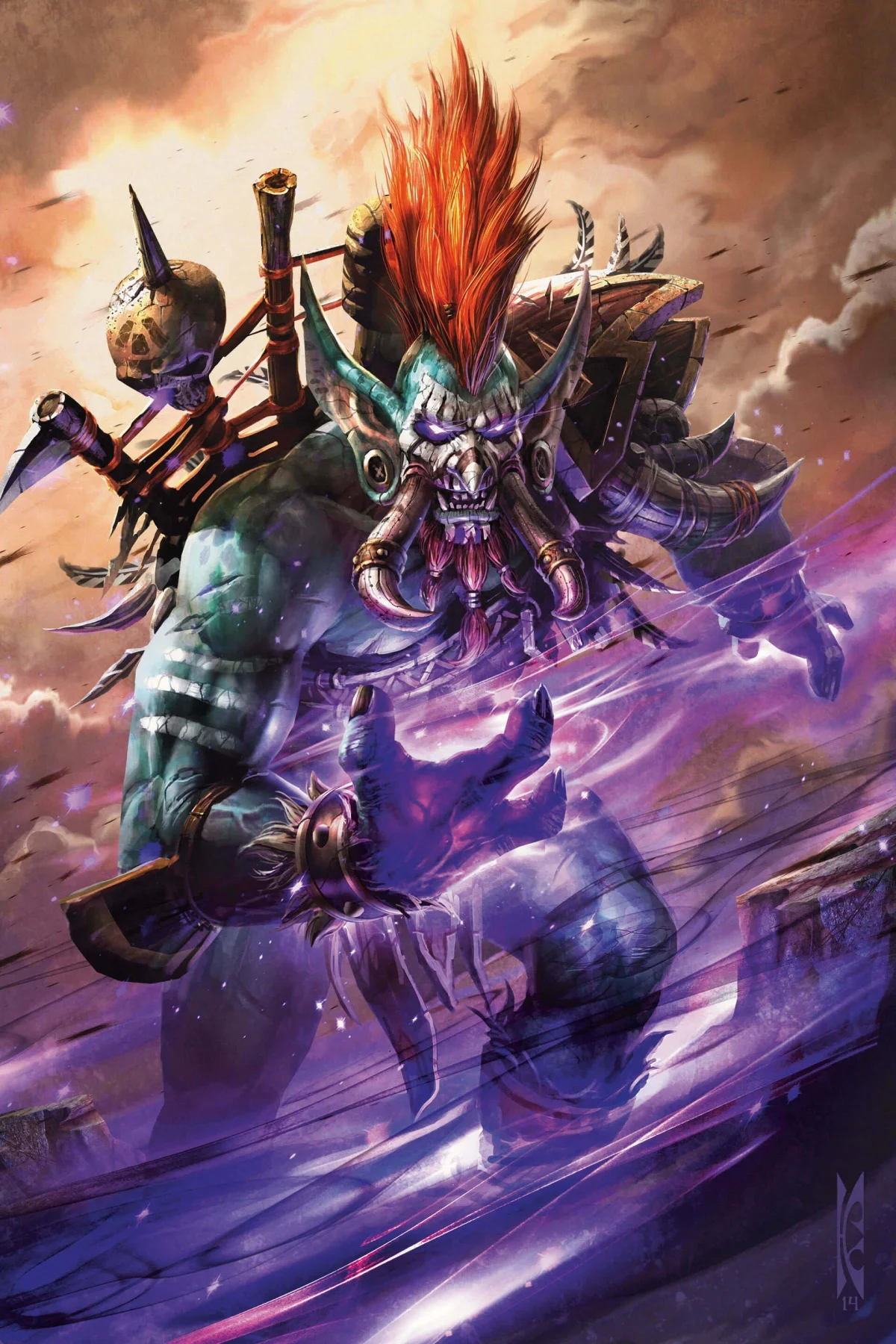
Path of the Spiritual Guardian makes the Shaman a conduit for protective and offensive spirits. Spiritual Protectors can Distract, Hinder or Strike an opponent when summoned, while Spirit Shield later protects nearby allies. The path’s support has a more mystical reach as the character advances: Consult the Spirits lets the Shaman cast certain Divination spells without Material components, drawing on spirits to advise the party or observe a nearby place.
Spirits’ Fury is the final expression of the path’s attack-focused side, granting an additional attack after the Shaman lands a powerful blow. The result blends ally protection, spiritual guidance and direct combat, giving the Shaman options that can matter both during a fight and while the party is working through a problem.
Path of the Elements takes a more destructive route. Raging Elements lets a newly trained Shaman enter a rage and use a Bonus action to call on ice, lava or lightning. The powers build on one another: Icefury strengthens the next Fire damage, while Lava Burst boosts the next Lightning damage, continuing the chain. Players are encouraged to rotate damage types and keep the sequence moving.
Later, Echo of the Elements lets the Shaman spend a use of Rage to cast certain utility spells tied to the elements. Primordial Bond adds a protective effect to the elemental magic surging through the character’s rage. Finally, Elemental Overload improves the Raging Elements choices so they can reduce enemy damage, deal lasting damage or hit nearby foes. Where the Spiritual Guardian emphasizes protection and spirit-given utility, this path makes changing elemental attacks its defining play pattern.
Nine routes into Azeroth
These subclasses make their strongest distinctions through how they connect signature themes to familiar class mechanics. The Death Knight builds around weapon runes and undead movement; the Demon Hunter gathers resources from fallen foes; and the Mystic Brew Monk mixes mobility with unpredictable recipes. The Holy and Discipline options keep allies standing through auras or damage-linked healing, while Shadow offers a more dangerous mix of life drain, escape and empowered attacks.
The Swashbuckler and two Shaman paths round out the roster with very different kinds of action: one wins space through movement and dueling, while the others call on spirits or cycle through elemental power. For players choosing a character, the key question is what they want to do repeatedly at the table—protect a group, press an attack, redirect enemy attention or turn one successful action into the next. The subclasses give each answer a distinct Azeroth-inspired shape.