Phantom Blade Zero Review: Wuxia Combat, Inventive Weapons and a World Worth Exploring
S-Game’s action debut pairs expressive weapon combat and memorable bosses with a striking Wuxia world, though its story and endings are less consistent.
Reviewed on: PlayStation 5
Platforms: PlayStation 5, PC
Publisher and developer: S-Game
Release:
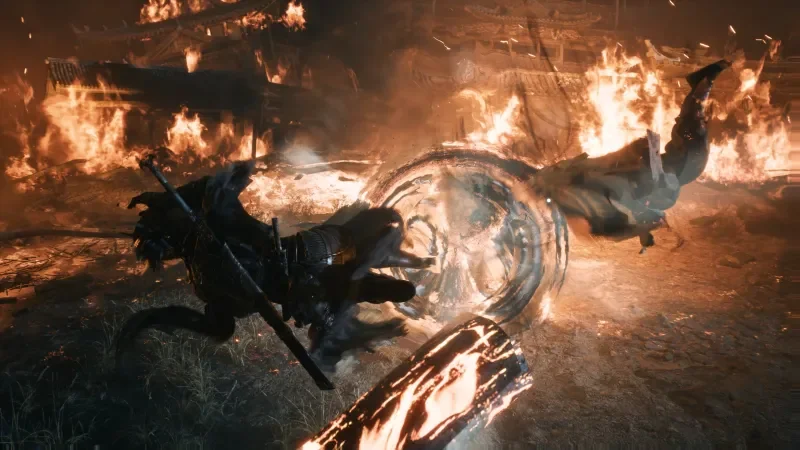
Phantom Blade Zero’s most exciting idea is how much personality it gives its combat. A new weapon doesn’t feel like a minor stat adjustment; it changes the way Soul fights, opening up another moveset to learn and another set of combinations to work into the action. That depth, paired with a vivid martial arts world and a steady succession of distinctive bosses, makes S-Game’s first major action game an unusually assured debut.
Weapons give every fight room to change
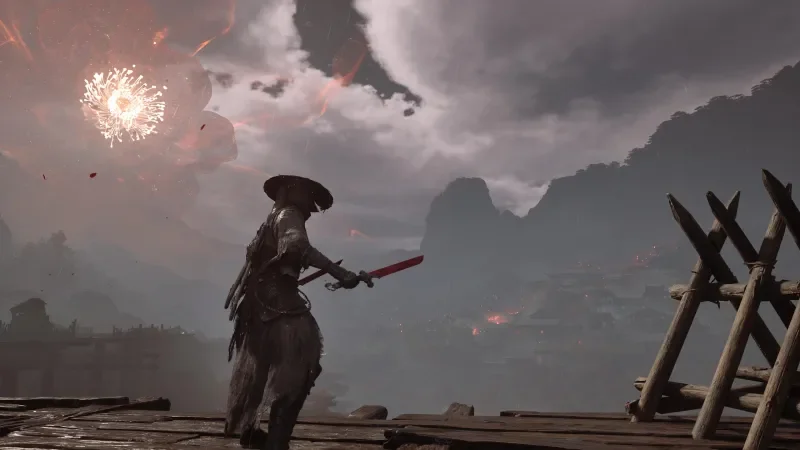
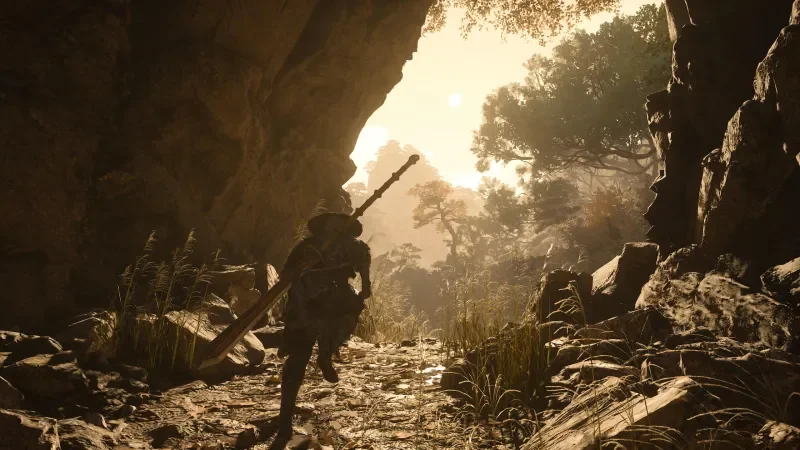
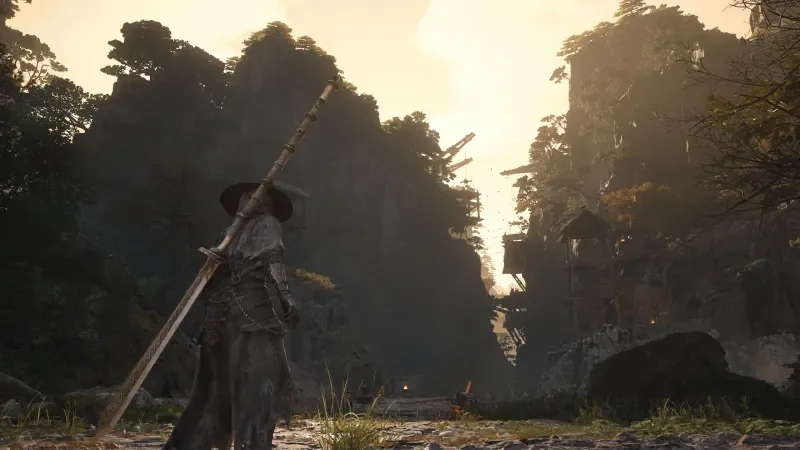
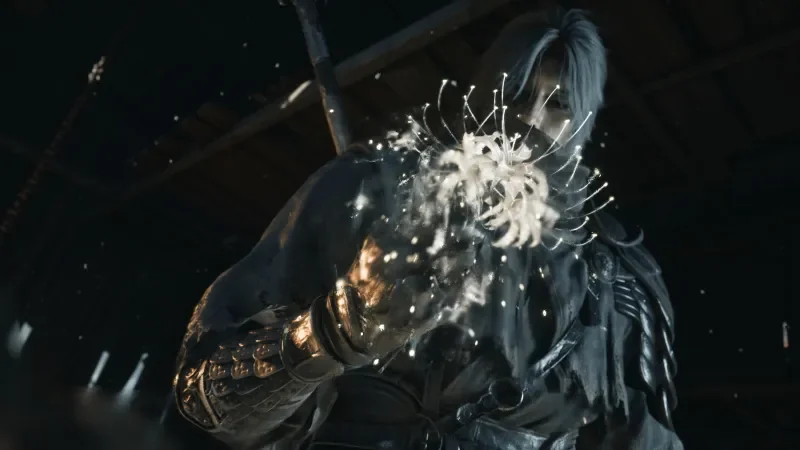
Soul has access to a remarkable range of weapons, and each one has its own attacks and abilities. The combo-focused combat makes those differences matter: picking up a new weapon can feel like taking control of a different character in a fighting game. Later weapons bring especially extensive combo lists, giving players new patterns to practice well into the adventure.
There’s another layer in the Phantom Edges, special weapons with limited, charge-based uses. Their ability to turn a fight around makes each charge a decision, while their variety encourages experimentation. Between the main arsenal and these powerful tools, players have plenty of ways to approach combat. That breadth helps keep encounters lively across a long journey, even if the final stretch begins to repeat some of its ideas.
The enemy roster gives those systems plenty to work against. S-Game maintains a high level of combat variety for most of the game, and its bosses stand out in particular. Drawing on the scale and drama of Chinese cinema, these fights feel like major events rather than routine obstacles. Nearly every boss has its own identity, with only a few returning in separate trials. Checkpoints between boss phases are a welcome touch: a difficult second phase doesn’t require replaying the opening every time Soul falls.
A tough action game with its own rules
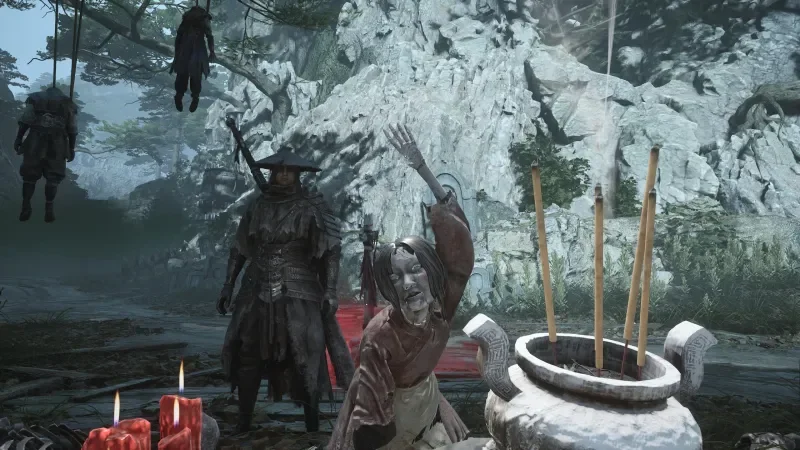
Phantom Blade Zero may suggest a Soulslike at first glance. It has difficult bosses, an interconnected world and Phantom Bell checkpoints that serve a role similar to bonfires. But its priorities are different. Difficulty options and accessories that make parries and dodges easier let players adjust the challenge, and the game doesn’t depend on repeated deaths to teach its combat.
Its approach to defeated enemies is just as distinctive: they don’t return after Soul kills them. That choice gives progress a visible effect on the world. Healing and saving won’t repopulate a cleared stretch, so moving through a region can feel like making a real difference rather than resetting a familiar obstacle course. It also suits Soul’s mission to remove evil from the Wulin realm. The system changes the rhythm of returning to familiar spaces, and it makes exploration feel tied to the story’s forward momentum.
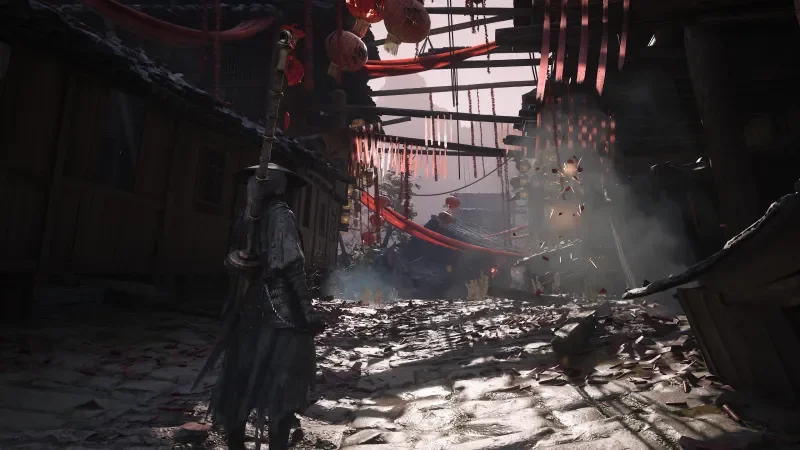
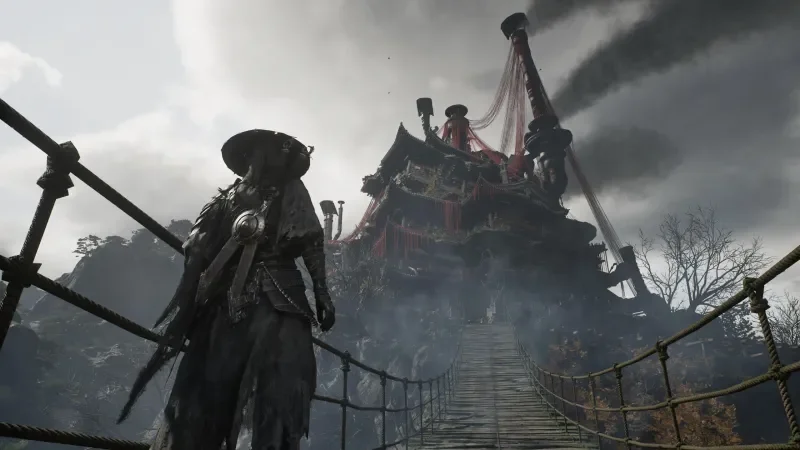
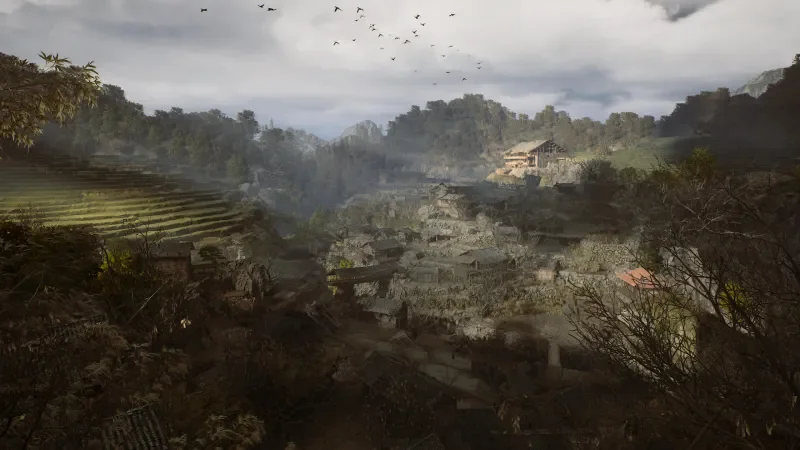
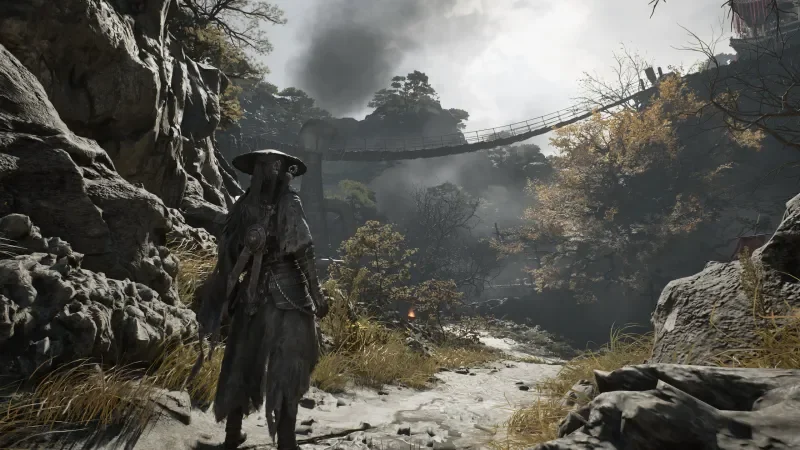
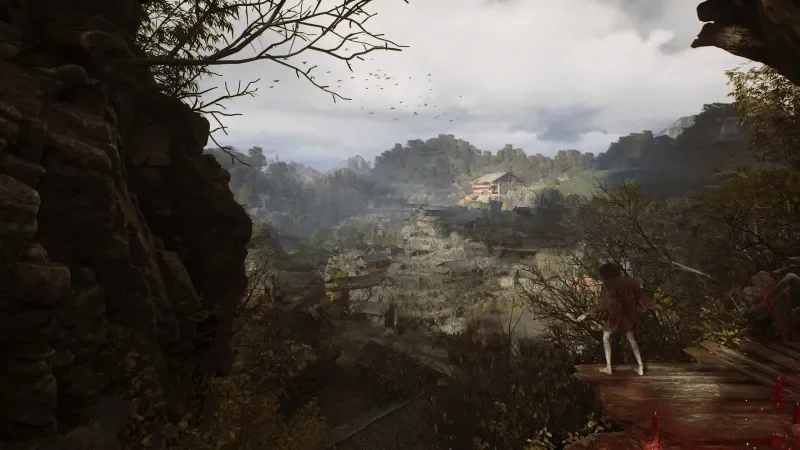
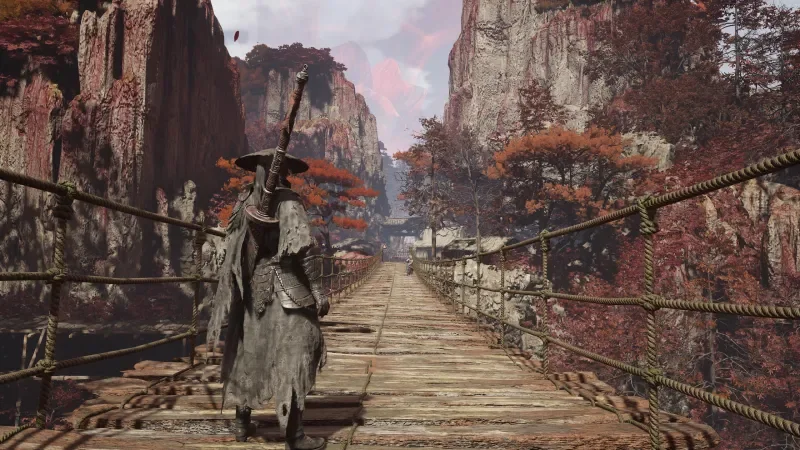
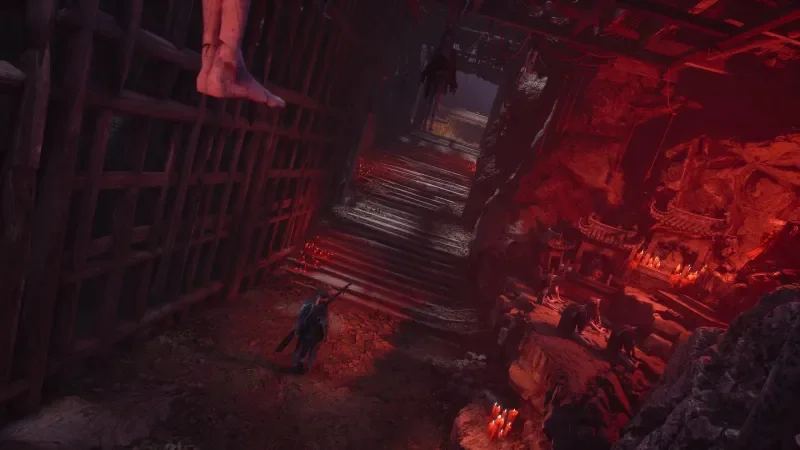
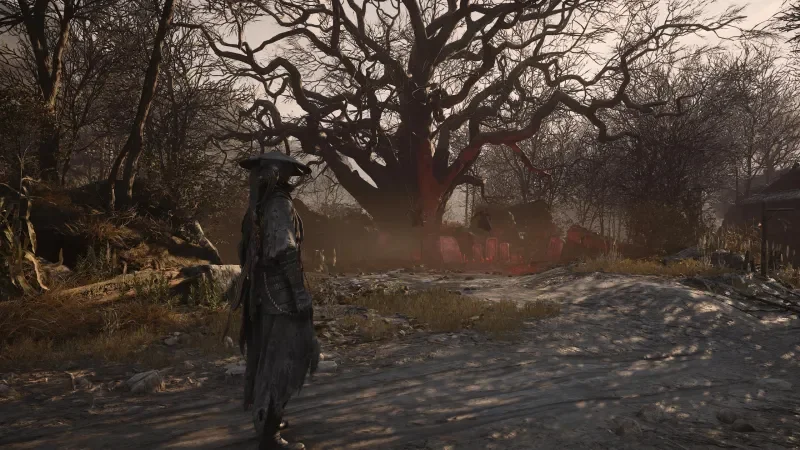
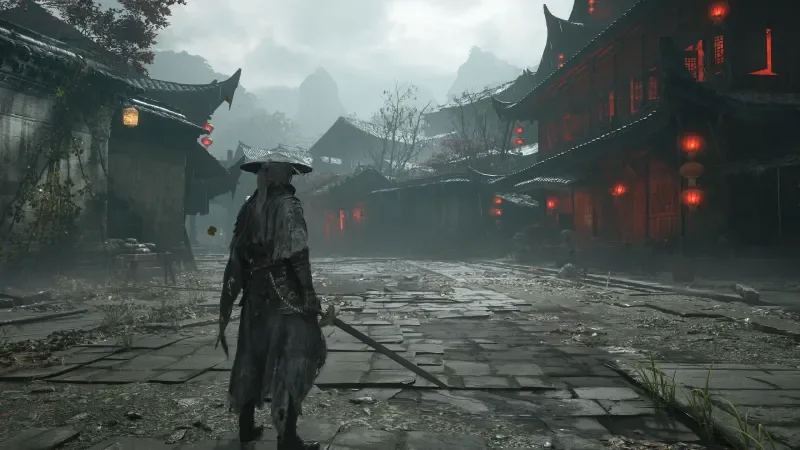
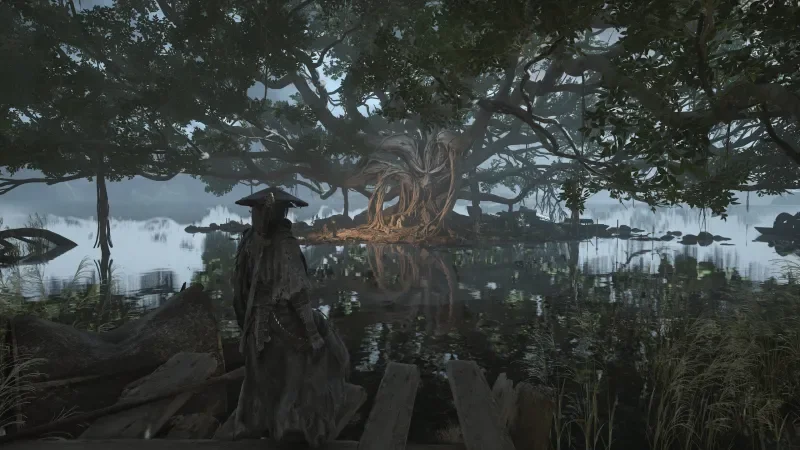
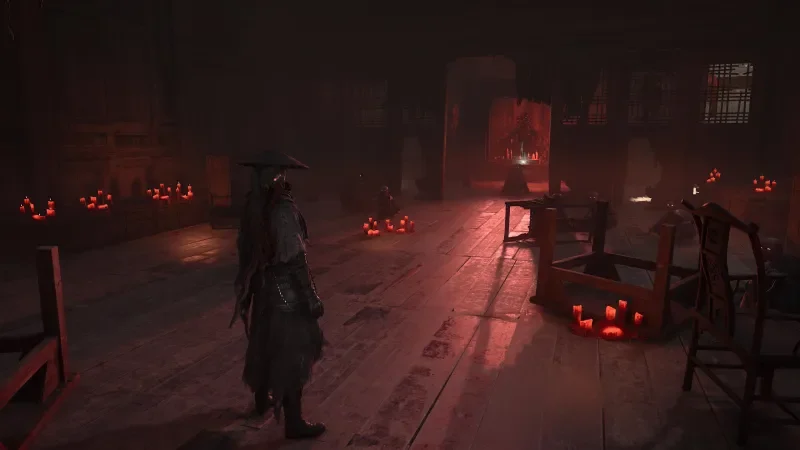
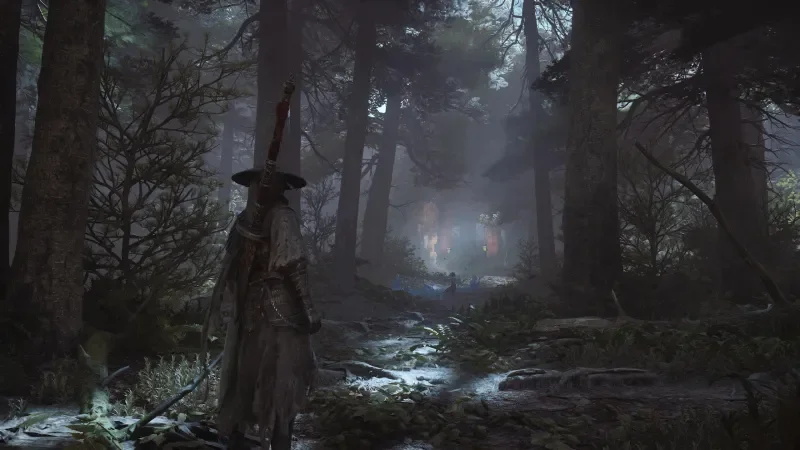
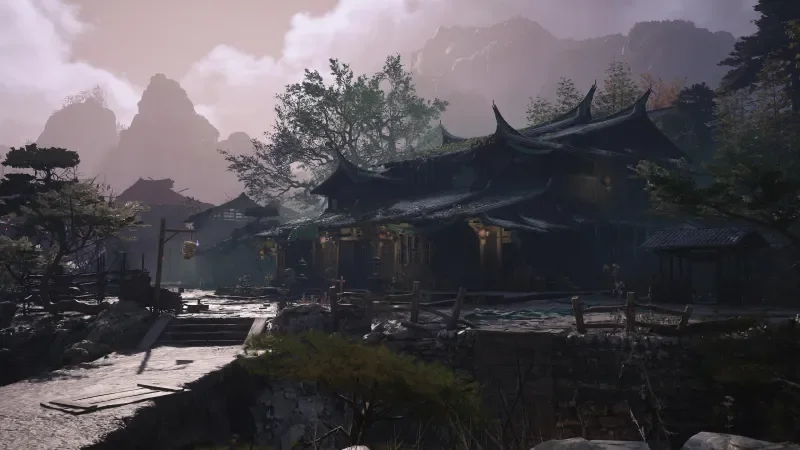
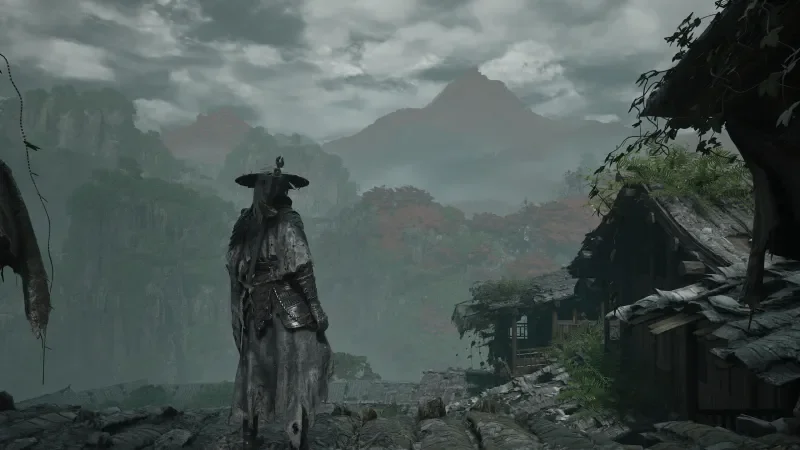
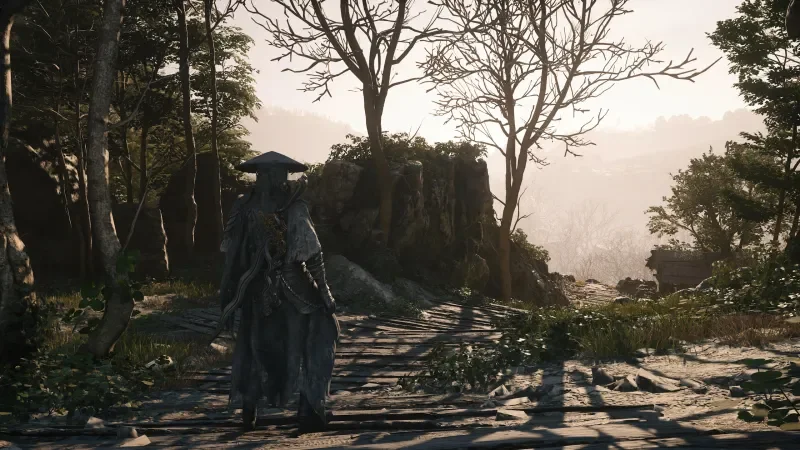
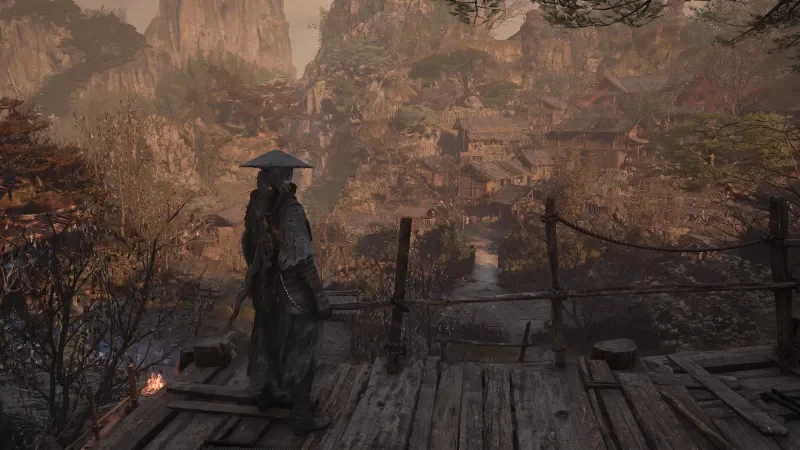
The regions reward attention, too. Their architecture and connected layouts create satisfying discoveries as routes fold back on themselves or open into new areas. Some Phantom Edges double as exploration tools, unlocking paths in places Soul has already visited as well as in new biomes. That gives backtracking a practical purpose and lets discoveries arrive well after the first trip through an area.
A striking world, with uneven storytelling
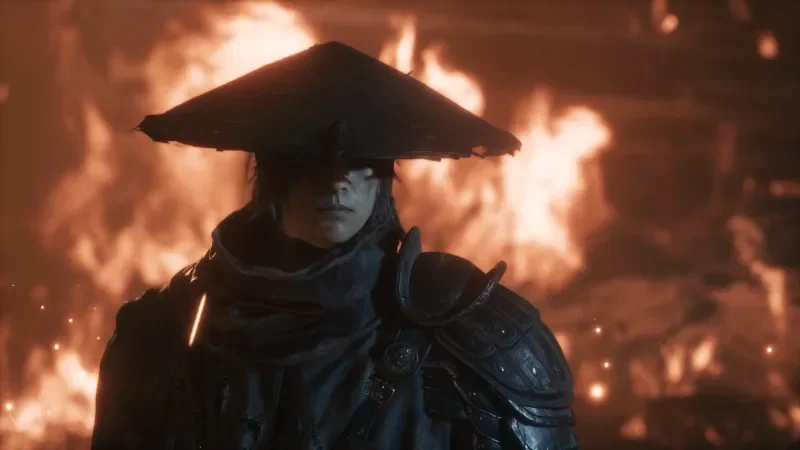
The story gives Soul a strong deadline but doesn’t always make the most of it. Betrayed by the Order he served, the martial arts master dies and returns with only 66 days to live. He sets out to settle old debts, confront those who betrayed him and stop a conspiracy threatening to seize control of the Wulin realm. The setup supplies mystery and urgency, but the narrative is the game’s weakest element, especially beside the confidence of its combat and world design.
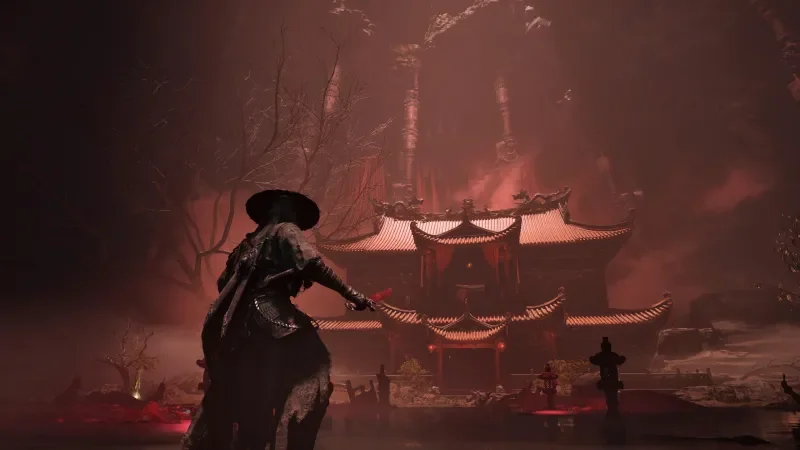
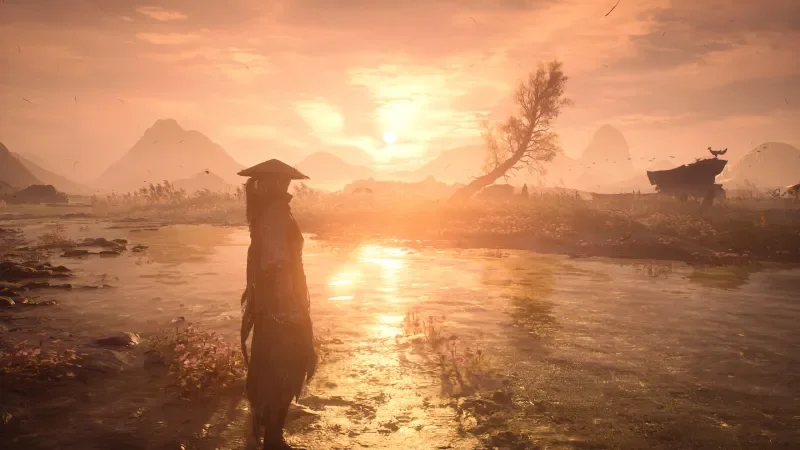
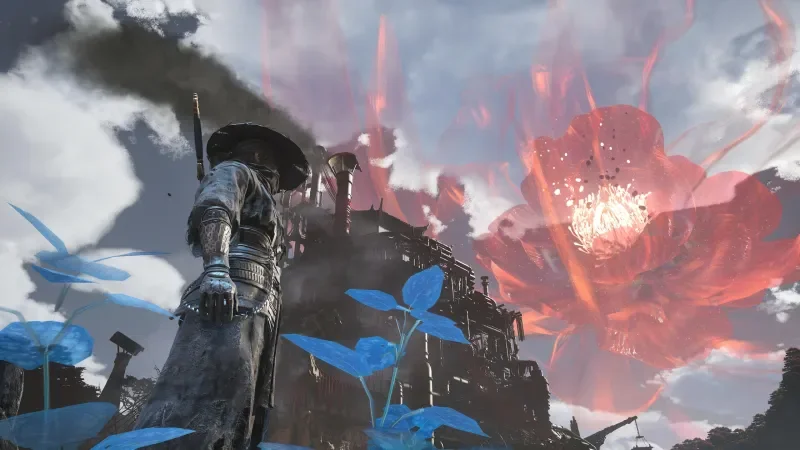
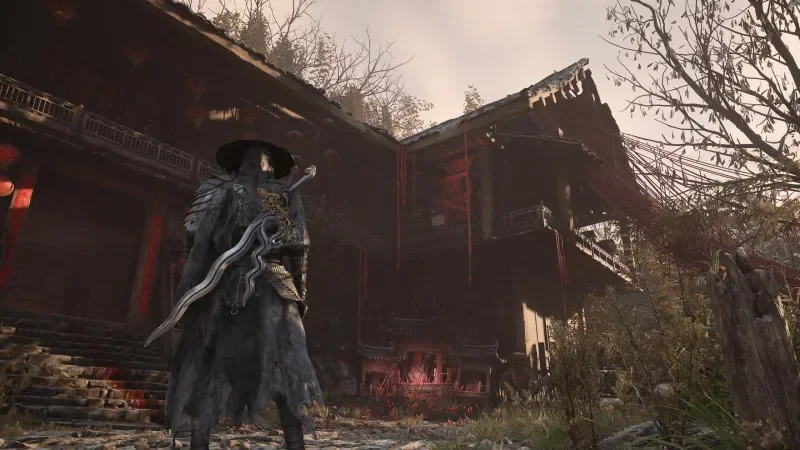
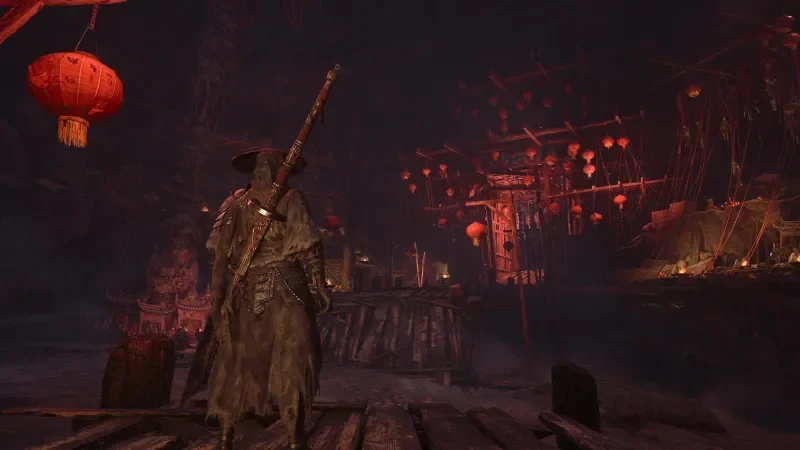
S-Game tells that story through a wide range of visual forms. Anime scenes sit alongside opera puppet shows and animated brushstroke sequences, while the broader art direction blends fantasy and realism. These shifts give the journey a strong sense of visual identity and place Chinese culture at the center of its presentation. The results aren’t always convincing: some character designs and visuals venture into the Uncanny Valley. Even so, the action animation is consistently striking, and the game’s willingness to change visual language keeps its storytelling from feeling like a sequence of conventional scenes.
Optional exploration brings some of the game’s best rewards, including the demanding route to a “perfect” ending. The other endings can feel incomplete by comparison, as if substantial pieces have been withheld. That makes the payoff for thorough exploration less satisfying for players who don’t uncover everything. The branching rewards give the world extra incentive to explore, but they also leave the main story’s resolution feeling uneven.
Music and action make the strongest impression
The soundtrack gives the fights an energy all their own. Original metalcore songs, operatic choirs, 808s and traditional Chinese instruments come together in a score that can be as forceful and unexpected as the combat. It’s an eclectic mix, and it gives boss encounters a sense of scale without relying on the visuals alone.
Phantom Blade Zero has rough edges: its narrative doesn’t match its mechanical ambition, the late game loses some variety, and the less complete endings may frustrate players who skip optional content. Yet its weapon design, boss encounters and exploration systems make a persuasive case for S-Game’s debut. The studio has built an action game with a clear point of view, and the result stands among the genre’s strongest recent efforts. For players drawn to expressive combat and a world that rewards curiosity, Soul’s journey is well worth taking.