Austin Wintory Releases 20 Minutes of Music Written for Mass Effect 5
Eight early tracks reveal Wintory’s imagined musical direction for the canceled Mass Effect sequel, blending analog synths with orchestra.
Austin Wintory’s imagined score for Mass Effect 5 is now available to hear, even though the game itself has been canceled. The composer has shared a 20-minute collection of eight early tracks he wrote while discussing the project with BioWare and EA, offering a glimpse of one possible musical direction for the next chapter in the series.
Wintory described Mass Effect as his “ultimate white whale” and lifelong dream project in a Bluesky thread. He said he had spent the previous couple of years in discussions with BioWare and EA about composing for the game. As part of that process, he wrote nearly 20 minutes of music to explore how the franchise might sound next.
The collection is posted as a video on Wintory’s YouTube channel. In an opening message, he explains that he had been speaking with people at both companies for several years and chose to create and record what he called a “gigantic love letter” to the series. The music was composed in 2025, before he knew what the game’s story would involve. He therefore presents the tracks as “narratively speculative”: an artistic exploration rather than a score tied to known scenes or characters.
A familiar foundation with a different texture
Wintory framed the music as a direct homage to Jack Wall and Sam Hulick’s score for the first Mass Effect. He also described his own approach as leaning further into true analog synthesizers and giving the orchestra a more complex role, drawing a comparison to the hybrid sound of The Matrix.
That combination points toward a useful balance for a series with a recognizable musical identity. Synthesizers can give science fiction a sense of machinery and distance, while orchestral writing can bring scale and emotional weight. Wintory’s description suggests he was interested in pushing both parts of that mix, rather than simply reproducing the sound of the earlier game. The eight tracks each come with a note about the thinking behind their creation, giving listeners a way to follow his choices as they move through the suite.
Wintory has composed music for Journey, Assassin’s Creed: Syndicate and The Banner Saga trilogy. He also won a Grammy for his work on Sword of the Sea. His background across different kinds of games makes the release more than a set of unused sketches: it documents how a composer with a varied body of work approached a major series whose next musical chapter had not yet been defined.
A creative document without the game
The tracks can’t tell listeners what Mass Effect 5 would have looked or played like. Wintory had no story details to work from, and the music was made to test a possible direction during conversations about the project. That limit is also part of the collection’s appeal: it lets the audience hear an independent interpretation of the series’ sound, without treating it as a preview of finished game content.
Wintory said he learned alongside everyone else that EA had canceled the game and shut down BioWare. In the video description, he called the news a deeply felt loss, noting that friends had lost their jobs and that the future of a franchise he loved had become uncertain. He thanked BioWare and EA’s music department for giving him the chance to develop the idea, describing even that opportunity as a privilege.
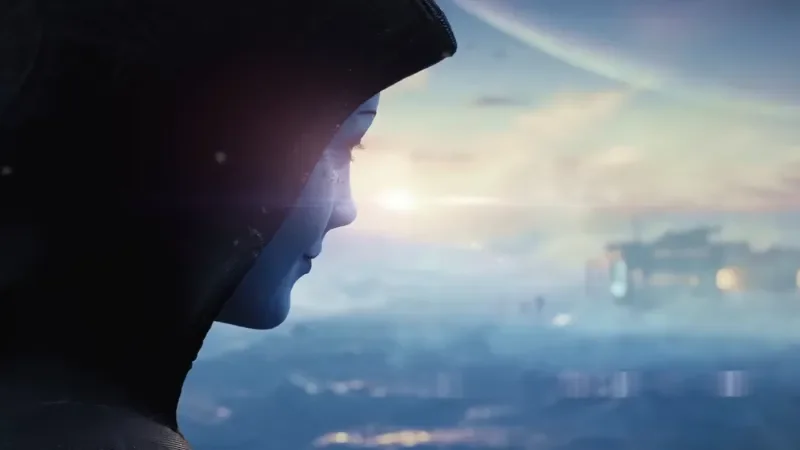
The release joins another piece of material associated with the canceled sequel: a day after the studio closure, an unreleased cinematic trailer described as legitimate appeared online. That trailer and Wintory’s music offer different kinds of glimpses, but neither can answer what the completed game would have been. The score, at least, arrives with its creator’s own account of how he approached it, giving fans a substantial listen and a clear record of one musical path the series might have taken.
For listeners, the collection works both as a standalone suite and as an invitation to imagine a future that won’t reach players. Its most concrete value is the music itself: eight connected experiments in analog synths and orchestra, shaped by respect for the original score and curiosity about where Mass Effect could go next.