Phantom Blade Zero Review in Progress: A Deep Arsenal and Spectacular Boss Fights
After more than 40 hours, Phantom Blade Zero stands out for its flexible combat, rewarding exploration and cinematic bosses. A final verdict is still to come.
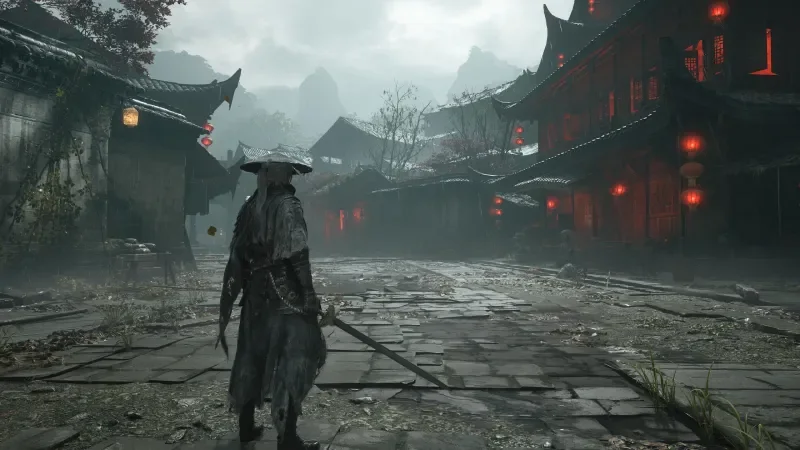
More than 40 hours into Phantom Blade Zero, I’m still finding reasons to put off finishing its story. S-Game’s first large-scale action game has me chasing side quests, testing new weapons and exploring every route I can find before reaching the credits. This is a review in progress: I’m holding back a final score until I’ve seen more, but what I’ve played already ranks among the strongest action games I can remember.
That’s a striking debut for a studio best known for mobile games and smaller projects. S-Game draws on the language of action classics such as Devil May Cry, Bayonetta, Sekiro: Shadows Die Twice and Elden Ring, then combines familiar pleasures with a distinct Wuxia setting and a combat system built for experimentation. The result feels informed by its influences without being reduced to a collection of references. Whether the full journey sustains this quality remains the question for my final review.
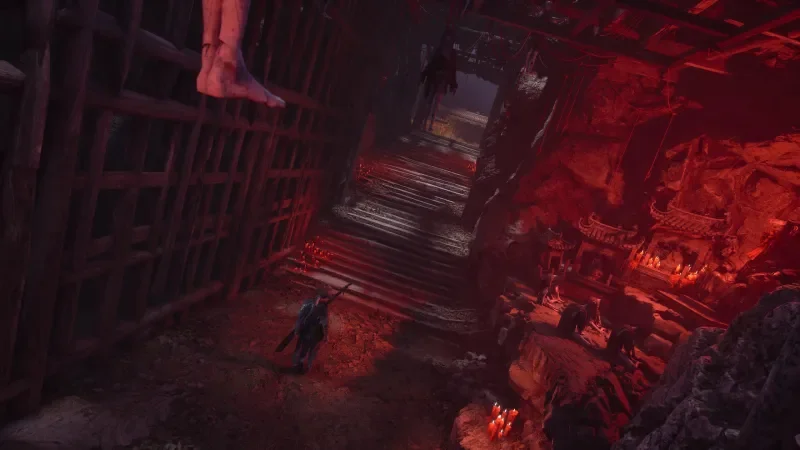
A weapon system that keeps changing the fight
Soul, a reserved martial arts master, sets out after the Order he serves betrays him. His pursuit of justice draws him into a conspiracy to control Wulin, a violent Chinese martial world populated by secret sects, puppets, monstrous creatures and powerful beings. The story gives Soul a clear reason to fight, while its many enemy types and bosses keep encounters from feeling like a parade of interchangeable targets.
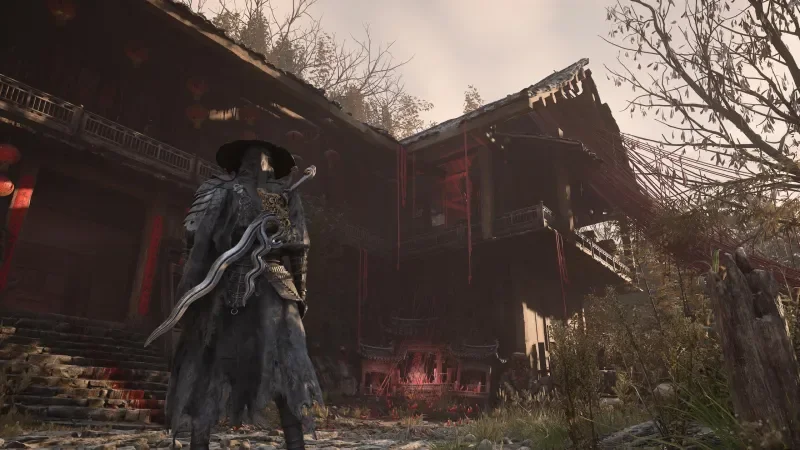
The real hook is how dramatically Soul’s fighting style can change. Each weapon has its own moves and abilities, and using a new one can feel like picking up a different character in a fighting game. Upgrades add techniques; Soul Tempering grants a weapon a final perk or ability. At full strength, some weapons draw on most of the controller’s buttons, rewarding players who learn their specific inputs instead of relying on basic attacks.
Phantom Edges add another layer: these powerful tools have limited charges that can be replenished, making them a resource to work into a fight. Accessories and medicines expand the number of possible setups further. I’ve tried a drunken style that shifts through sober, tipsy and drunken states, changing its range and damage; a bleed-focused approach that spends Soul’s health on charged attacks and can recover it through bleeding foes; and elemental combinations involving lightning, wind, fire and ice. One sword lets me switch between elements on command. The Phantom Edge fists have been especially hard to put down: their impact is so satisfying that I keep finding reasons to build fights around them.
S-Game gives players generous upgrade materials and currency, which makes trying another weapon feel practical instead of costly. That generosity suits a system with so many potential builds. You can settle into a favorite, but the next weapon may offer a reason to rethink your whole approach.
Exploration rewards curiosity
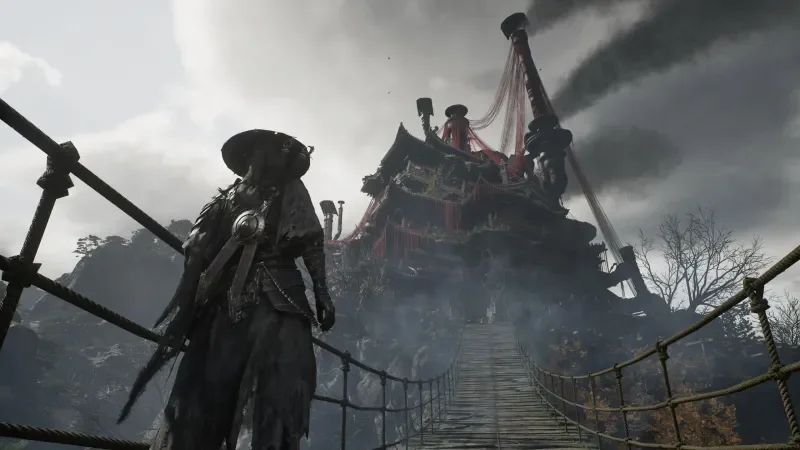
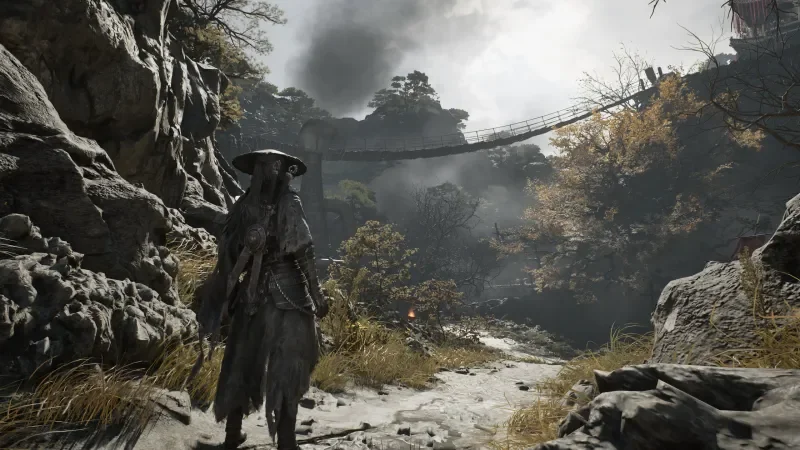
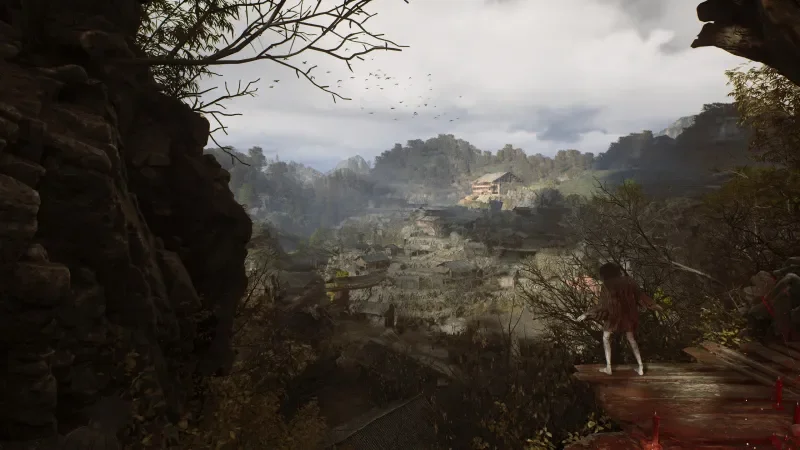
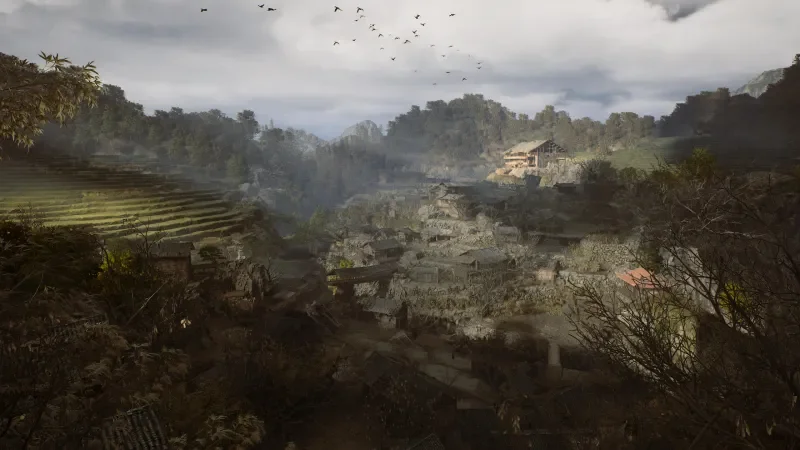
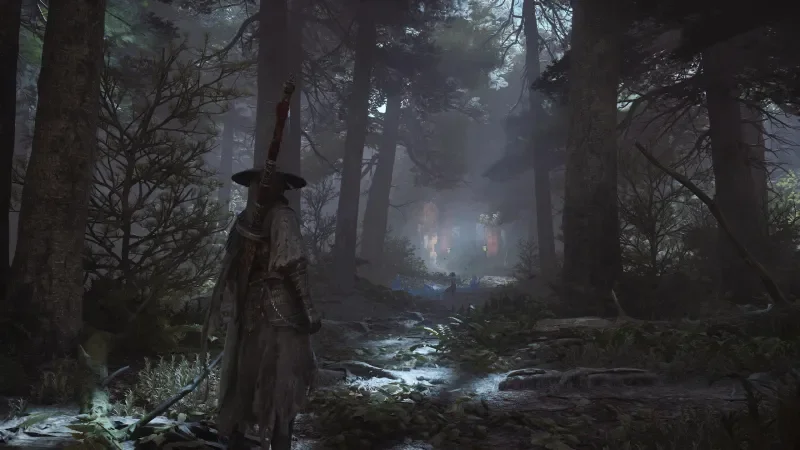
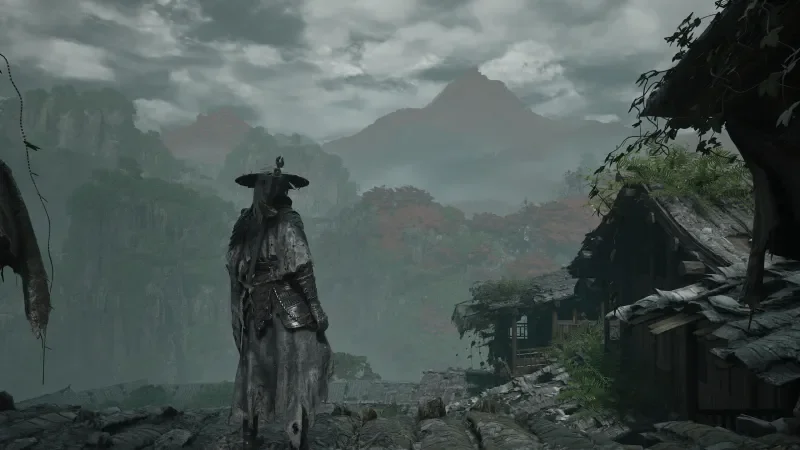
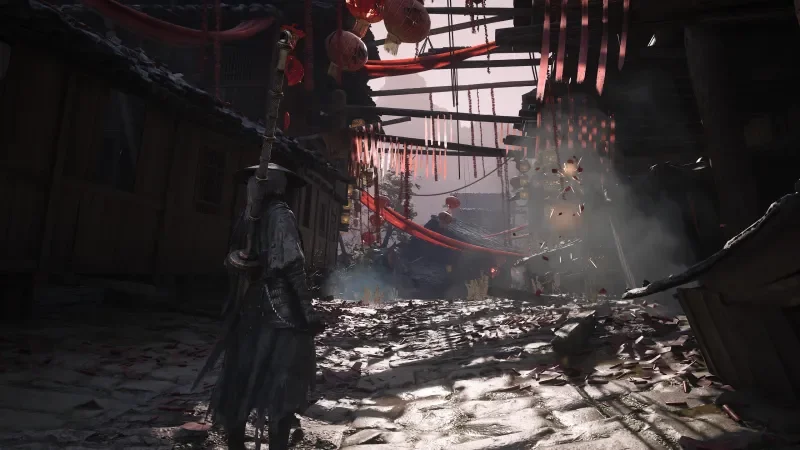
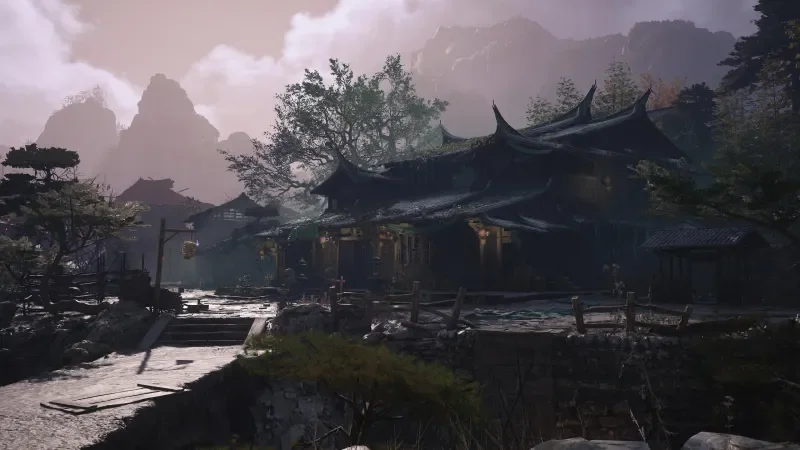
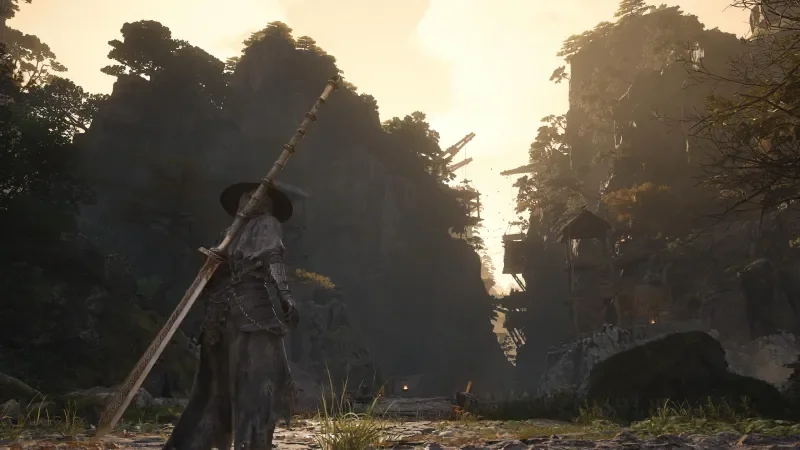
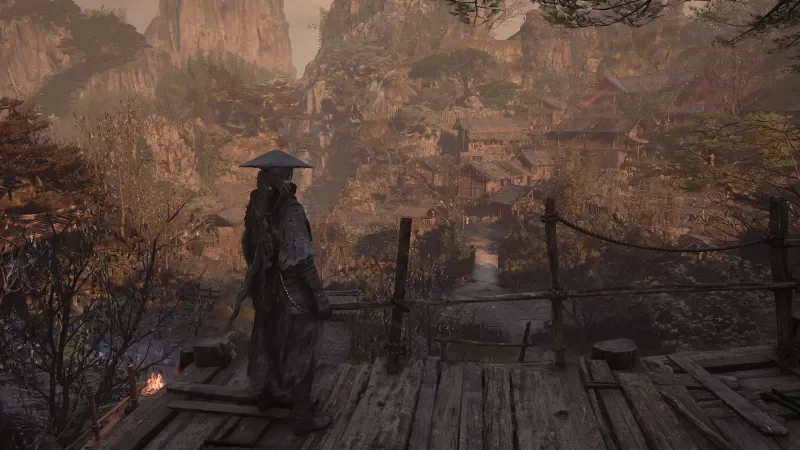
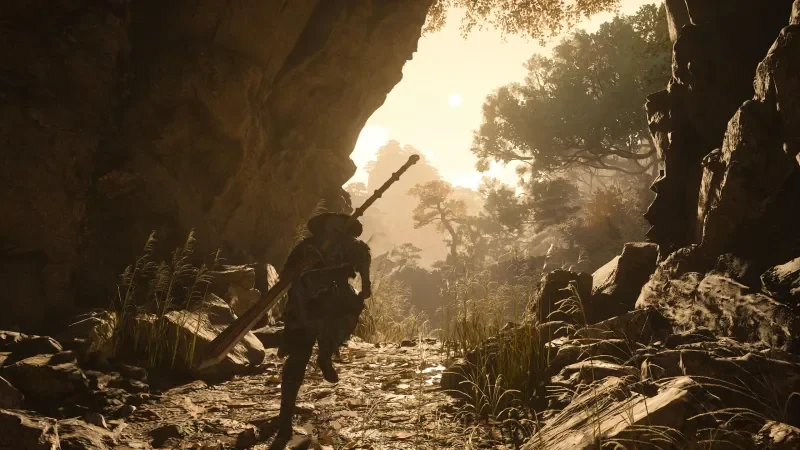
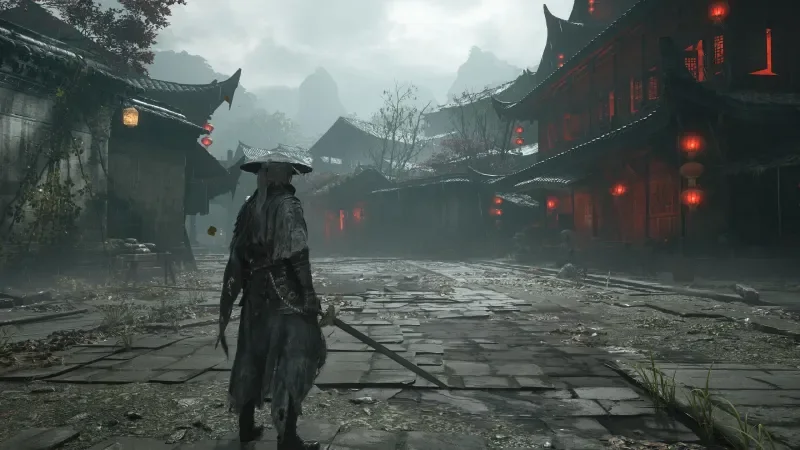
The open areas make experimentation part of a broader loop. Buildings, alleys, caves and cliffs connect in ways that invite detours, and those detours regularly lead to useful upgrade supplies or optional fights. Sometimes the payoff is a boss whose weapon becomes a new favorite. The connected layouts recall the satisfying moment of discovering a shortcut in a FromSoftware game, but Phantom Blade Zero makes its own progression choices.
Its difficult bosses, interconnected spaces and Phantom Bell checkpoints may suggest a Soulslike at first. Yet the challenge can be adjusted through difficulty options and accessories that ease parrying and dodging. More distinctive is what happens after a regular enemy falls: it stays defeated, even when Soul returns to a checkpoint. That gives exploration a sense of lasting change. Clearing a route feels like an actual achievement in Soul’s effort to push back the forces occupying Wulin, rather than a temporary reprieve before every foe returns.
Optional reading materials fill in the setting through memories, scrolls and books. They’re there for players who want to piece together the Wuxia story’s threads, while the main plot keeps moving through mystery and dramatic turns. The narrative is the least compelling part of the package so far, mainly because it doesn’t reach for much that feels new. Conversations also tend to stage two characters exchanging quest details face to face. Cutscenes make a stronger impression, with forceful antagonists, emotional revelations and moments of sharp tension.
Cinematic battles, with a few signs of repetition
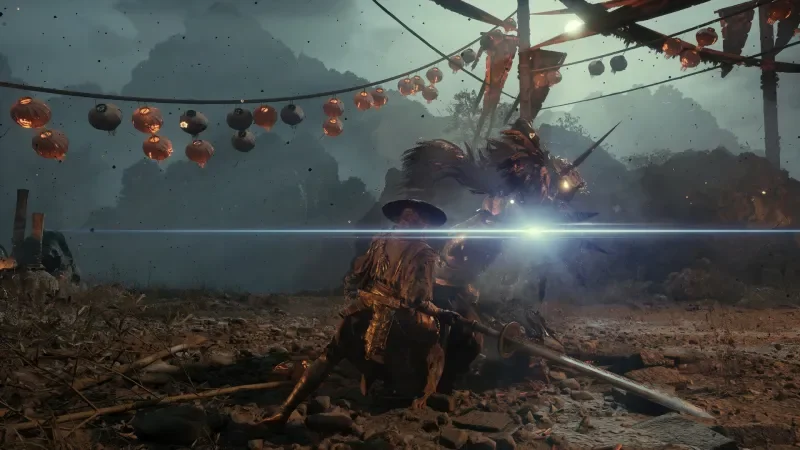
Boss encounters are a major draw. They take cues from Chinese cinema and make each clash feel large in scale, with a roster that includes many distinct fights and relatively few repeats outside segmented challenge trials. Checkpoints between boss phases are a welcome touch. When a later phase is the sticking point, progress saved between stages avoids making every attempt start with another full run through the opening round.
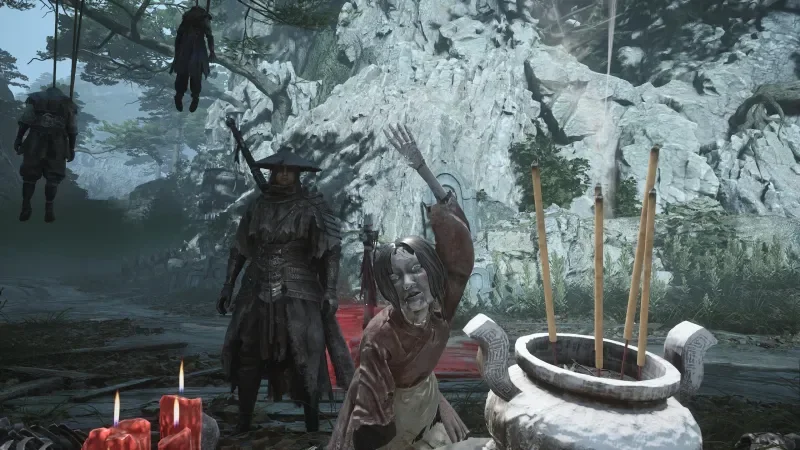
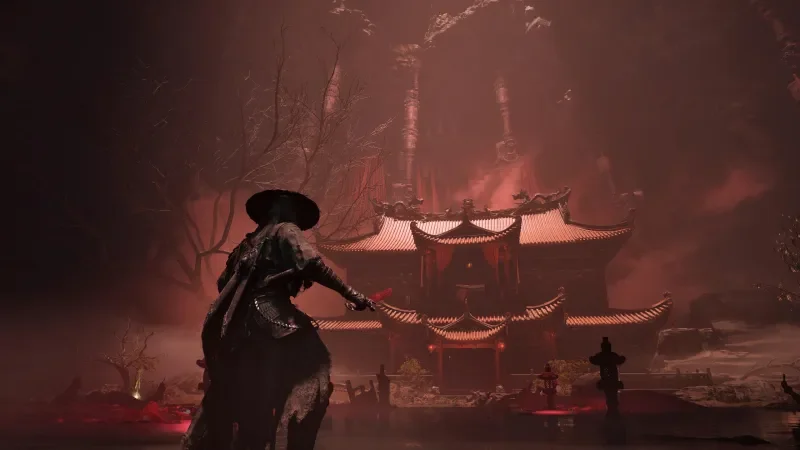
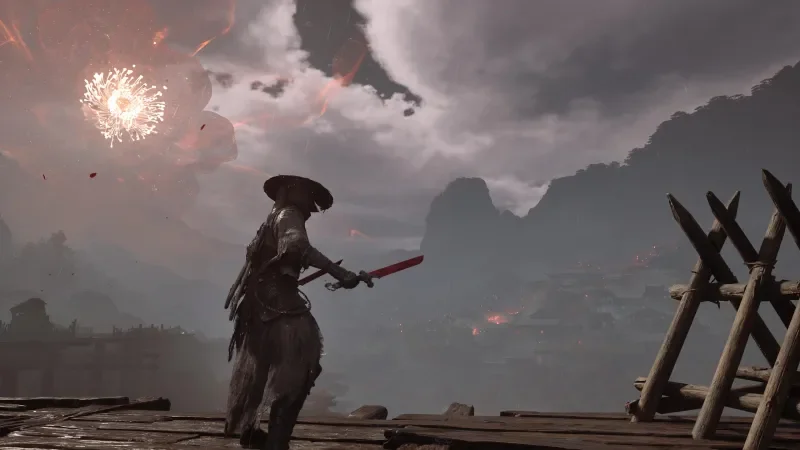
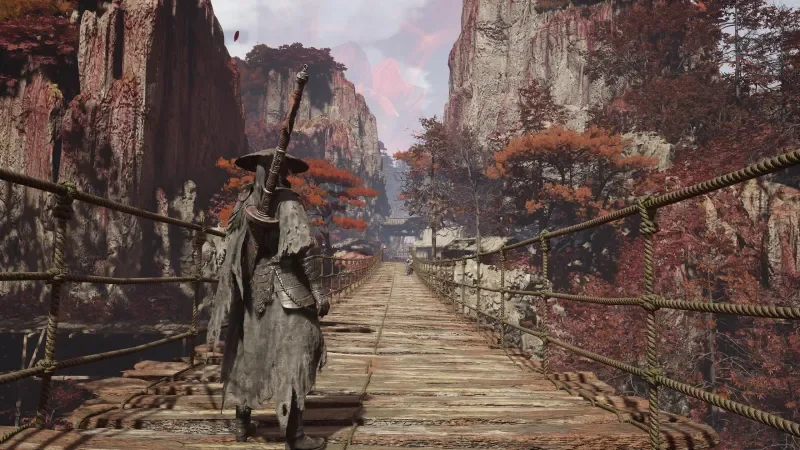
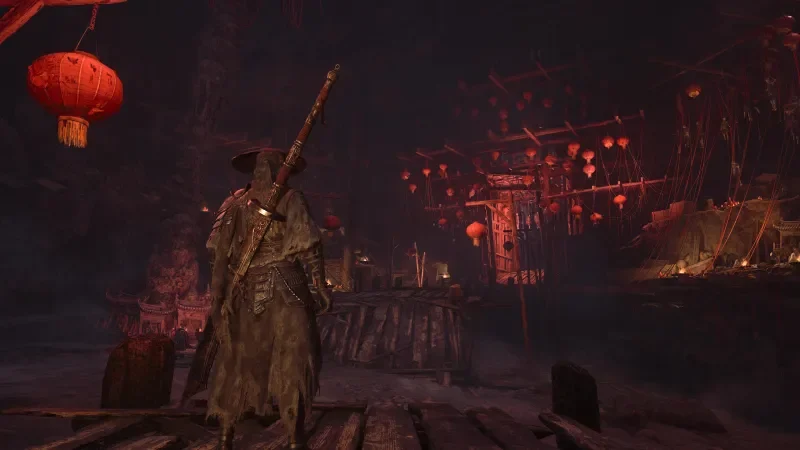
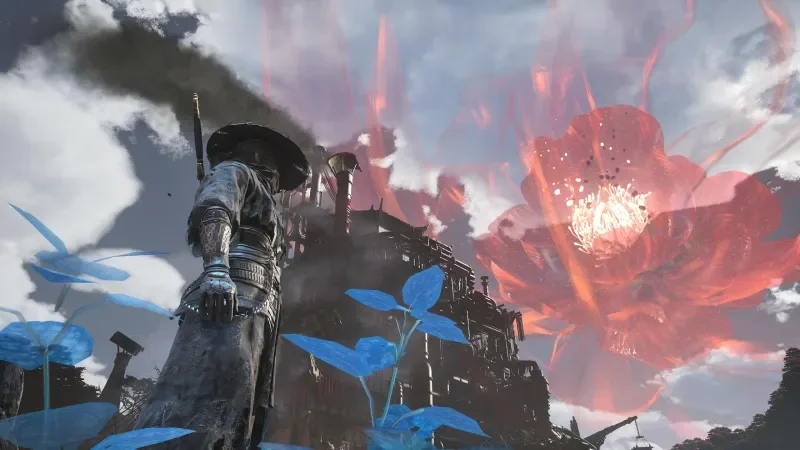
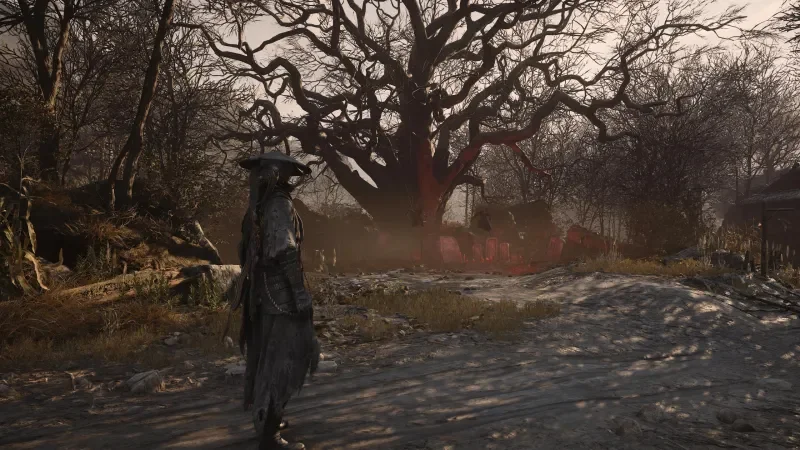
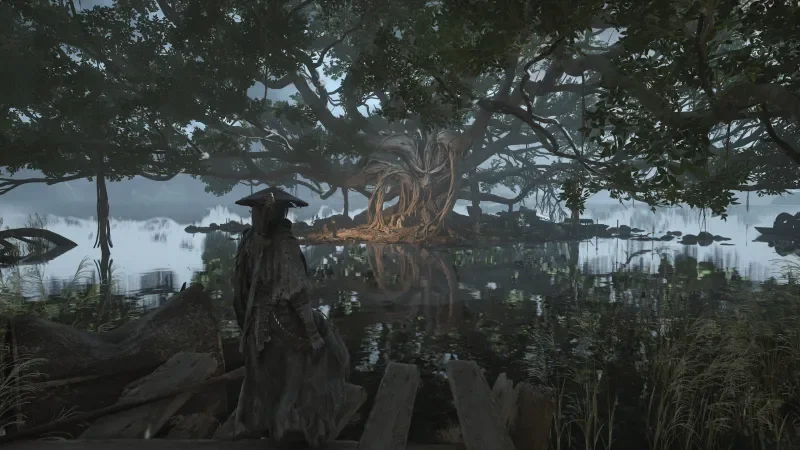
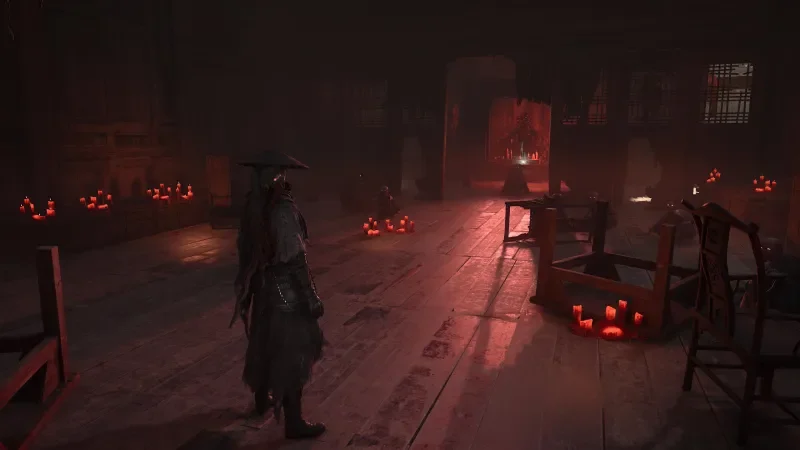
The game’s animation and presentation give these encounters much of their force. Its dark fantasy vision of China is richly rendered, with detailed faces and expressive performances that hold up in close-ups. The Chinese voice cast is particularly effective. The English performances have their highlights, though Soul’s delivery lacks energy; I recommend playing with Chinese vocals.
That sense of spectacle reaches even ordinary group fights, where careful use of each weapon’s abilities can turn a routine encounter into an expressive display. Mashing attacks still looks good, but the more interesting play comes from steering Soul through the moves built into each weapon. Even so, those common fights have begun to feel a little familiar as I approach the end.
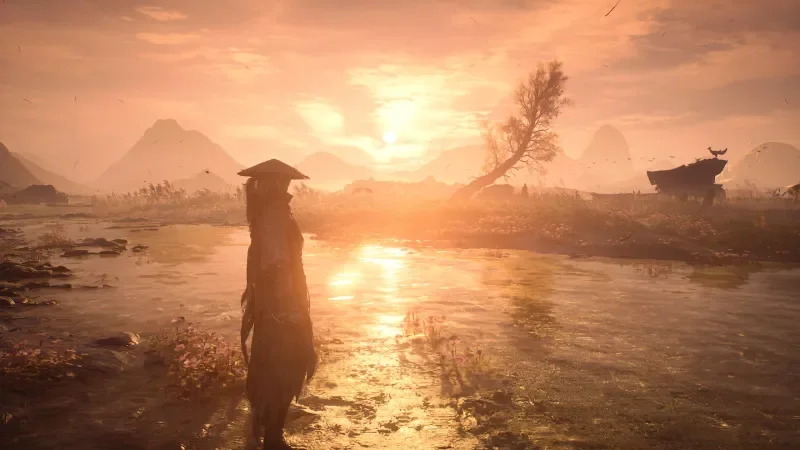
Phantom Blade Zero has made me eager to return after every break, and that enthusiasm is the clearest measure of its early success. I still need to see how its story and combat hold up through the ending before settling on a score. For now, its weapon variety, memorable bosses and rewarding detours make the wait for that verdict feel worthwhile.
Phantom Blade Zero in-game screenshots