EA to Close BioWare and Cancel Its Early Mass Effect Project
EA plans to cut about 400 jobs and close BioWare, ending work on its early Mass Effect project as the publisher shifts focus to other franchises.
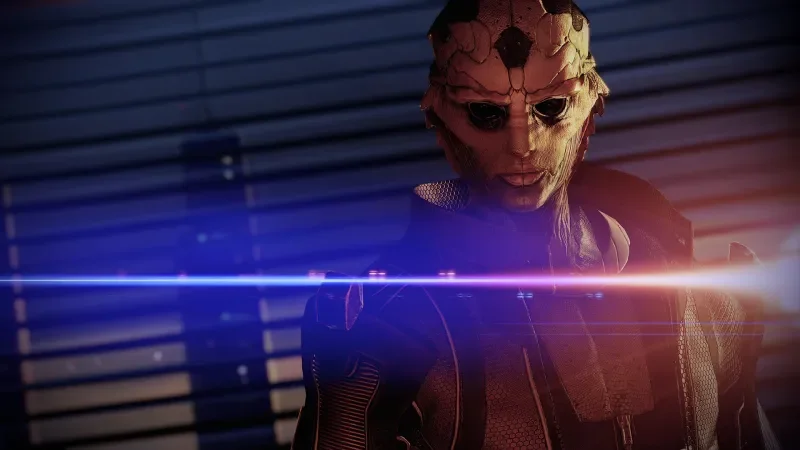
BioWare’s closure would end one of the most influential runs in role-playing games, while also halting an early-stage Mass Effect project. Electronic Arts plans to eliminate roughly 400 positions, about three percent of its workforce, according to Bloomberg. Around 50 of those roles are at BioWare, which EA says it will close along with its Edmonton workspace.
A staff letter from EA COO David Tinson and Chief Studios Officer Cam Weber says the company reviewed its business and decided to stop work on projects that no longer fit its priorities. That includes the next Mass Effect, which had a small BioWare team working on early development. The letter describes the decision as difficult and recognizes the studio’s role in shaping role-playing games.

For Mass Effect, the change means the project teased in 2020 will not proceed in its current form. The source does not describe a replacement plan or say whether the franchise will return in another project. That uncertainty matters for a series built around extended stories, familiar characters and decisions that carry across games. For now, EA’s message is that the early work has ended.
EA shifts resources across its games
EA’s plans point to a narrower set of priorities. Sports games, shooters such as Apex Legends, and Star Wars projects are set to continue, including the next Jedi title. The publisher also has an Iron Man game in development, following an earlier update on Motive’s work. More Battlefield projects are planned, alongside a new collaboration between Respawn and DICE.
Other teams face changes of their own. The staff letter indicates that a planned Sims game will be put on hold in favor of another project. Skate will continue development, but with a smaller team. Those choices suggest that EA is concentrating staff and production effort on selected franchises while slowing or ending work elsewhere. The letter does not provide release dates, budgets or revised timelines for the affected games.
EA’s structure has also changed this year. The company was acquired by a group that includes Silver Lake, Affinity Partners and Saudi Arabia’s Public Investment Fund, and became privately held. At the time, CEO Andrew Wilson said the company would enter its next phase with partners who shared its ambitions, and described plans to invest in games and player experiences. The current reductions show the practical pressure behind those broad goals: projects and teams are being assessed against a smaller set of priorities.
A defining RPG studio reaches its final chapter
BioWare’s social media statement named the series and games that shaped its history: Baldur’s Gate, Neverwinter Nights, Star Wars: Knights of the Old Republic, Dragon Age, Mass Effect and Anthem. The team said its immediate focus was supporting colleagues through the transition. It also thanked players for engaging with its stories, discussing their decisions and making the studios’ fictional worlds their own.
That relationship with players is central to BioWare’s legacy. Its games made party members and personal choices a defining part of large-scale role-playing adventures. The studio moved from Dungeons & Dragons-inspired computer RPGs to console hits such as Knights of the Old Republic, Mass Effect and Dragon Age. Other developers have since built their own companion-led stories, but BioWare helped establish the expectations those games now inherit: characters should feel memorable, relationships should develop, and choices should carry weight.
The studio’s later years were more uneven. Mass Effect: Andromeda and Anthem drew criticism from some fans, while the making of those large projects was marked by reported internal challenges. The phrase “BioWare magic,” once used for the late-stage work that brought games together, became a point of contention as the studio faced recurring production problems.
Dragon Age: The Veilguard, BioWare’s latest and final release, received a generally warmer critical response. Yet its path to release was long and unsettled, with reporting describing years of development turmoil. That history makes the closure feel like the end of a complicated period as well as the loss of a storied name.
BioWare’s influence will outlast its Edmonton studio. Its best-known games gave players worlds and companions they could revisit in memory long after finishing the story, and helped shape how role-playing games handle character and choice. The immediate question is where the affected developers will take their experience next; for players, the next sign to watch is whether EA outlines any future direction for Mass Effect.