Stranger Than Heaven Spans 50 Years as Makoto Daito Builds a Place to Belong
Ryu Ga Gotoku’s new story follows Makoto across five decades, pairing identity and music with era-spanning cities and hands-on combat.
Platforms: PlayStation 5, Xbox Series X/S, PC
Publisher: Sega
Developer: Ryu Ga Gotoku Studios
Release: January 15, 2027
Stranger Than Heaven gives Ryu Ga Gotoku Studios a wide canvas: one man’s life, five cities and five decades of change. Makoto Daito begins as a young outsider trying to escape prejudice in the United States. By 1965, after years of work in organized crime and music promotion, he has become a figure people know by name. The game’s central question is how he gets there, and what it costs to find a place he can call home.
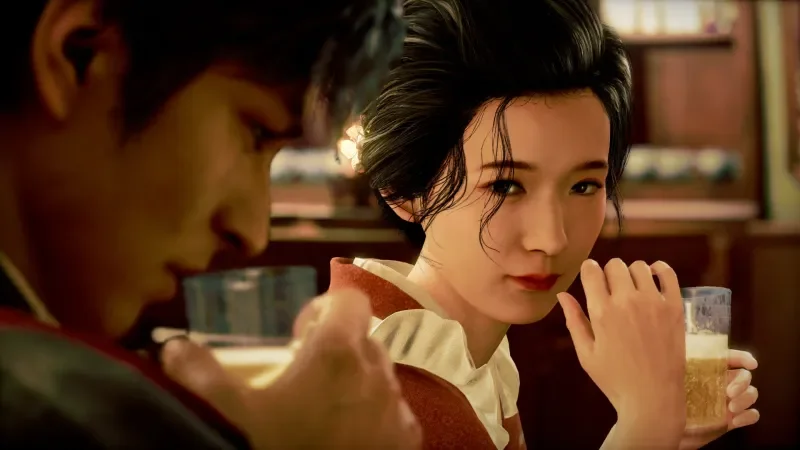
The story opens in 1915. Makoto, who is Japanese and American, sneaks aboard a ship from San Francisco to Japan, hoping the country will accept him more readily. Kokura offers no easy welcome. People mock him, and his early Japanese is limited enough that conversations often end with others dismissing him as a foreigner. His first real connection is Tae Matsumoto, a woman working at a bar who seems to recognize him as a person rather than a stranger.
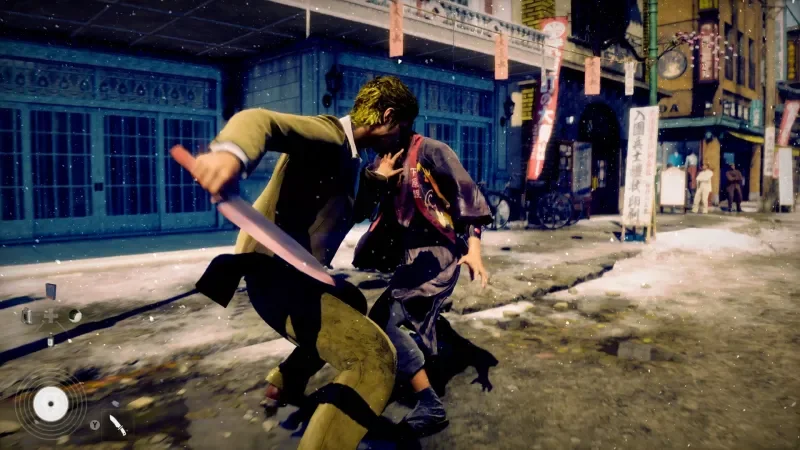
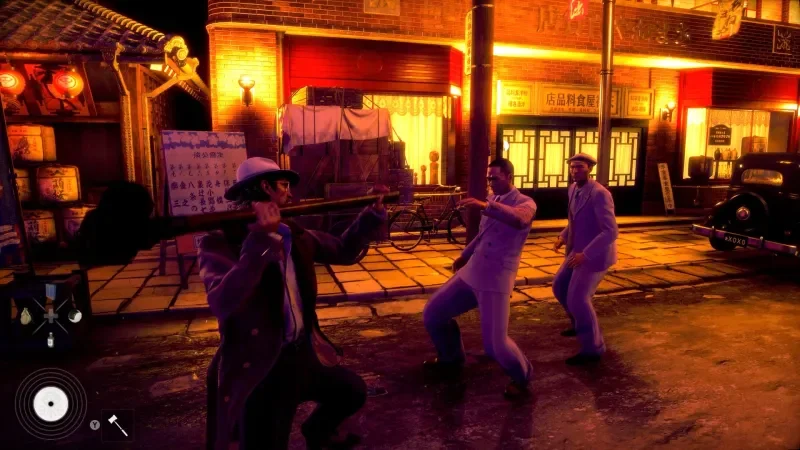
Makoto initially approaches Tae as part of a plan to weaken a rival gang. After spending an evening with her, he admits what he was doing and asks her out sincerely. That choice puts him in the path of Oki, leader of the Oki Clan and Tae’s lover. Oki orders an attack on Makoto and takes Tae away. Makoto responds by leading an assault on an ironworks mill, where he faces Shimura, a massive opponent wielding a heavy weapon.
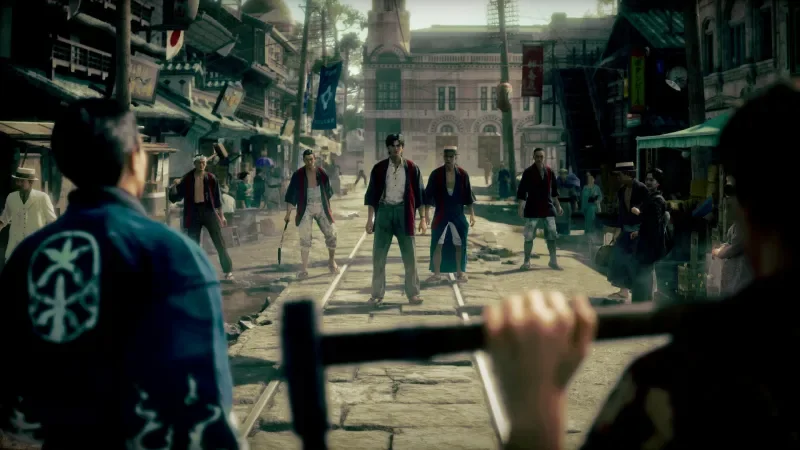
The fight gives a close look at the game’s combat. The shoulder buttons control Makoto’s arms, while the triggers correspond to his legs, making each side of his body feel directly tied to the player’s inputs. Against Shimura, a knife offers speed and room to evade the heavier swings. The encounter’s physical feel fits a protagonist who starts out without much fighting skill and has to learn through danger. Combat is designed to convey that inexperience before Makoto grows more capable.
Five cities, five stages of a life
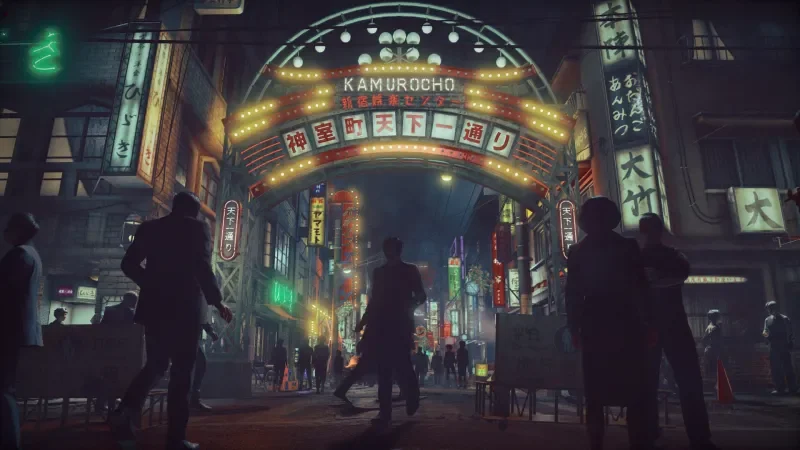
Kokura is only the beginning. Makoto’s story moves through Kure in 1919, Osaka in 1943, Atami in 1951 and Shinjuku in 1965. The locations and dates give the game room to show a person changing alongside the people and places around him. Director Mikinobu Abe says the team began with a question that the Yakuza and Like a Dragon games had left open: how does someone create an organization of this scale? The studio decided that answer needed more time than a story unfolding over a week or a few days.
That question became a tale about a man trying to build a place where he belongs. Kokura provided a natural starting point: Abe describes it as a major industrial city in 1915, a plausible destination for Makoto after his clandestine trip from America. The team had settled on Shinjuku in 1965 as the endpoint early in development. Between those two points, it chose cities and periods for the situations they could put Makoto in, while keeping the wider story’s ending under wraps.
Kure’s place in the sequence ties Makoto’s search for identity to the world of organized crime. Abe points to the city’s association with the yakuza film Battle Without Honor and Humanity and its history as a busy port with a varied population. That setting lets the game put Makoto inside a distinctly Japanese criminal organization while also giving him opportunities to encounter other people from outside Japan. His two backgrounds remain in tension even as he enters a new world.
In Kure, players can explore freely and enter a fighting arena, where opponents become tougher as challenges progress. Defeated rivals can be faced again under special win conditions. The city also holds a masked killer who, during the preview session, proved to be a particularly difficult opponent. These activities give the location its own rhythm while extending the game’s focus on combat and Makoto’s place in each community.
Osaka marks a sharp change in how the world treats him. By then, Makoto’s work in crime and music show business has made him recognizable. People approach him with smiles and compliments, a striking reversal from the suspicion he faced in Kokura. The game lets players inhabit that success through a promotion business he starts with Yu Shinjo. Makoto negotiates with local businesses for advertising space on billboards, then stages a theater performance by selecting its program and performers before joining an interactive show.
Music also reaches beyond the theater. In Kure, Makoto can work with a composer who turns sounds he notices into material for songs. Inspiration might come from a baby crying inside a nearby home or the metallic clash of Makoto’s weapon striking an opponent. That system links music to the texture of the world around him: the sounds he encounters become part of what he creates.
Players can also expect activities that reflect each city and period. Abe says the studio chooses side activities to express a place through play, much as karaoke and pachinko help establish the feel of modern settings in earlier RGG games. Some activities will recur across the story; others will belong to a single location or era. As the decades pass, available amusements change with the times. The studio has not revealed the full lineup.
Identity told through performance
Makoto’s mixed background wasn’t part of the first version of the story. Abe says the concept started with a Japanese man who wanted to create an organization. The team then looked for a stronger reason behind that ambition and saw Makoto’s Japanese and American heritage as a way to deepen his motivation and open up new creative possibilities. It also gave the story a reason to bring together characters speaking Japanese and English.
For lead actor Yu Shirota, the character’s struggle to live between cultures has personal resonance. Shirota recalls feeling like an outsider in Spain when he was younger, then arriving in Japan expecting to feel at home and encountering a similar sense of distance. He says that experience helped him understand Makoto’s arrival in Japan. Shirota also frames the character’s search for identity as something that could speak to people who feel defined by labels or struggle to work out where they belong.
The game follows that change through performance details as well as plot. Abe says Makoto’s early body language and sense of personal space reflect someone more accustomed to American social habits. Over time, his movements and communication shift as he becomes more familiar with Japanese customs and with the expectations of people in positions of authority. His fluency affects the way his face moves when he speaks, too.
Language develops gradually. At the start, Makoto thinks in English and speaks Japanese imperfectly. As years pass, his inner voice and his expressions of anger in combat move further toward Japanese. Shirota performed those changes while also aging the character from teenager to older man. Abe credits him with handling small vocal shifts, including changes to the phrases Makoto calls out during fights.
Shirota says the role drew on his own experience moving between Spanish and Japanese. He found the evolving balance of Makoto’s languages especially interesting, while the change in age demanded a distinct voice for each period. The game also crosses regional speech styles: Abe points to the differences in Japanese accents associated with Hiroshima and Osaka, which Shirota had to perform along with Makoto’s changing fluency.
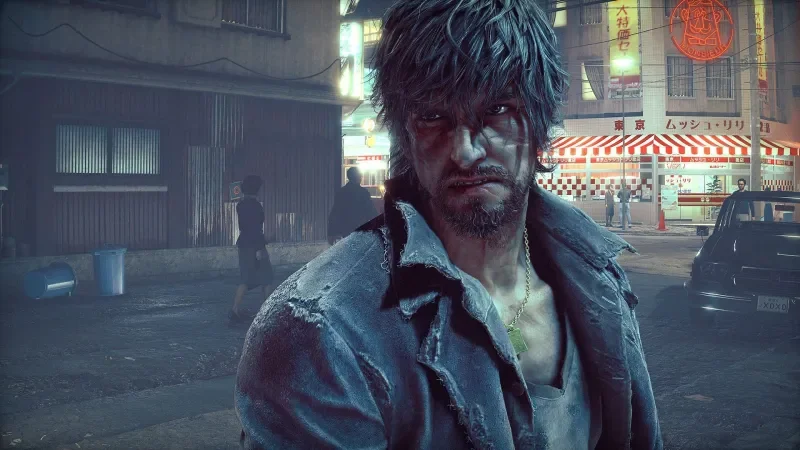
Makoto’s appearance offers another thread for players to follow. He first arrives in Kokura trying to avoid attention; in a later period, his bleached hair makes him much more conspicuous. Abe says the shift reflects changes in Makoto’s identity, while suggesting that a previously shown scene with a character named Hama contains clues. He keeps the meaning of the look and the scene under wraps. Across the eras, the studio placed small visual details to show when Makoto fits in, when he chooses to stand apart and how he sees himself.
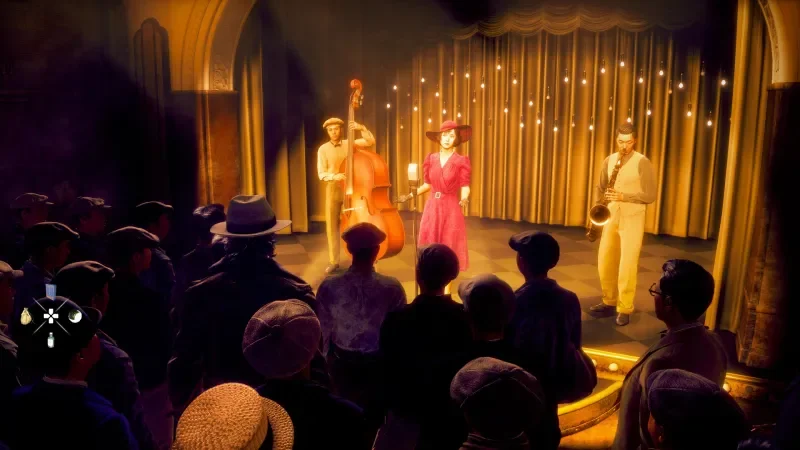
The people around Makoto change with his roles. He starts with no standing in Japan, joins the Yashima Trading Company, becomes part of the Iwaki Clan in Kure, and later builds a promotion business with Yu in Osaka. Those affiliations shape how people address him and how they behave when he enters a scene. Abe says the studio used background performances in cutscenes to communicate whether Makoto is unwelcome, ignored or treated as someone important.
Shirota describes the arc as a movement from fear and forced adjustment toward greater confidence. Makoto begins young and uncertain, then finds a sense of worth and grows a harder exterior as he becomes part of the criminal world. Eventually, people call him “Boss.” Shirota, who has experience with public recognition as an actor, says that helped him imagine how Makoto might handle being approached positively after years of rejection.
Covering fifty years creates a demanding character-design task. Abe says the team had to imagine how actors would look at ages for which no reference existed. Dean Fujioka, who plays Yu Shinjo, was in his forties during character development, so the team had to build an older version of him without knowing exactly how he would age. The studio had extensive reference images for Bunta Sugawara’s character, Iwaki, but still had to make the aging work across the game.
Abe, who was 29 during development, says parts of Makoto’s later life lay beyond his own experience. Shirota had lived for 40 years and could draw on more of that span, but Makoto’s final period in Shinjuku still pushed him to imagine what lay ahead. Both describe the character’s later years as a part of the story that raised questions they couldn’t answer from personal experience alone.
History as setting, not the subject
Five cities across five decades also meant substantial research and production work. Abe says the team couldn’t reuse city assets for this project and had to investigate what life and visual culture might have looked like in each period. Developers searched old bookshops for magazines popular at the time, visited the cities and studied historical photographs. Abe also notes that some of what they found was new to him.
The goal, he says, wasn’t to recreate Japanese history as a precise record. Research supplied material that the team reshaped into an entertaining game. Osaka in 1943 takes place during wartime, but the narrative stays close to Makoto and the people around him rather than making major historical events its central focus. Abe says those events affect life in a city, while the people living through them still have personal stories of their own.
That approach puts the emphasis on how circumstances reach one person’s daily life. The dates give the story historical texture, while the dramatic focus stays with Makoto’s relationships, work and evolving sense of belonging. It’s a choice that also lets the cities feel distinct without turning the game into a survey of the period.
A vintage look, built from analog ideas
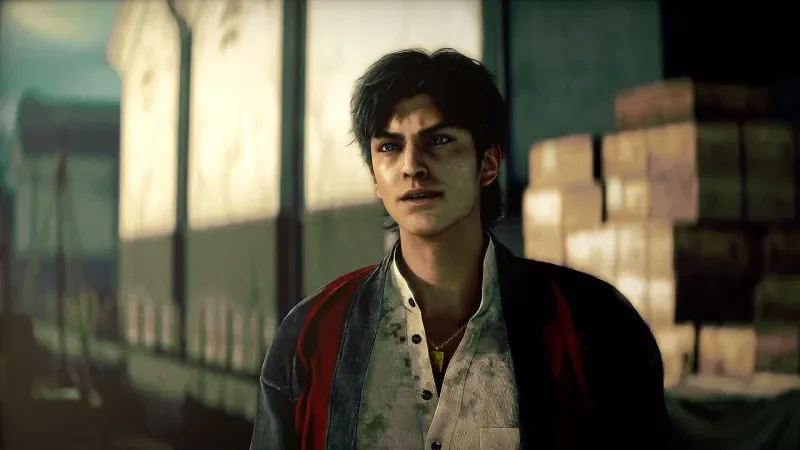
Film history shaped the game’s visual direction. Abe studied film and once hoped to make movies, and he says the team researched older lenses and film techniques. Some production methods that are now handled in editing software once required physical materials. For example, text could be written on glass and printed onto film. Abe saw those analog methods as a source of visual character that computer-generated images don’t usually evoke on their own.
Art director Daishi Kanaya brought another influence: his background in oil painting and research into Japanese painting from the periods represented in the game. Abe says the team was struck by how older paintings used light differently from contemporary work. The game’s look grew from bringing that visual research together with the filmmakers’ techniques and the texture of older film.
Abe’s love of classic Hollywood and gangster films also informed the direction, alongside ninkyo films, a Japanese form of yakuza-themed entertainment. The presence of veteran actor Bunta Sugawara adds a direct connection to that screen tradition. These references help explain why the game’s presentation aims for something vintage: familiar traces of older cinema, shaped into a style that still feels deliberate and lively.
That sensibility reaches into play through a film camera Makoto can use. The player has to wind it before taking a picture, then bring the film to a pawn shop to have it developed. Abe wanted the device in the game partly because his generation grew up with smartphones and had little opportunity to use analog cameras. The camera turns a historical object into a small routine players can take part in.
The cutscenes follow a related principle. Abe directed most of them and says the team considered what camera movement and staging might have been achievable in the periods depicted. It avoided overly flashy motion, while using lighting to keep the result from feeling dated. The target was a contemporary sense of craft filtered through older visual language: a vintage mood rather than an imitation of an old film.
Combat built around Makoto’s growth
Stranger Than Heaven carries the RGG name, but Abe says the team didn’t begin by trying to reproduce the look or mechanics of earlier Yakuza and Like a Dragon games. The development group included younger studio members and concentrated on what this story needed. Abe’s account of the design makes the connection between character and mechanics clear: Kazuma Kiryu’s established strength suited brawling action, while Ichiban’s story about friendship led to turn-based combat. Makoto’s starting point called for a different approach.
Makoto doesn’t initially know how to fight. The control scheme is meant to make players feel that uncertainty, then grow more intuitive as they learn. Mapping arms to the shoulder buttons and legs to the triggers gives the fight a direct, physical quality. Players have to coordinate their actions rather than rely on the feeling of controlling an already accomplished brawler.
Abe points to ninkyo cinema as a key reference. Its fights often look raw: people grab at clothing and struggle, rather than exchanging polished attacks like trained fighters. The studio wanted Makoto’s combat to carry that same lack of refinement, with the added tension that mistakes can be dangerous. The intended effect is a closer link between the player’s growing skill and Makoto’s development through the story.
That connection gives the system room to change over the decades. Makoto learns to fight; players learn how to use the controls. The game’s challenge, in Abe’s framing, is to make those two forms of growth feel connected. The knife fight against Shimura shows one way the approach can reward reading an opponent’s reach and using agility to find an opening.
A cast shaped by the story
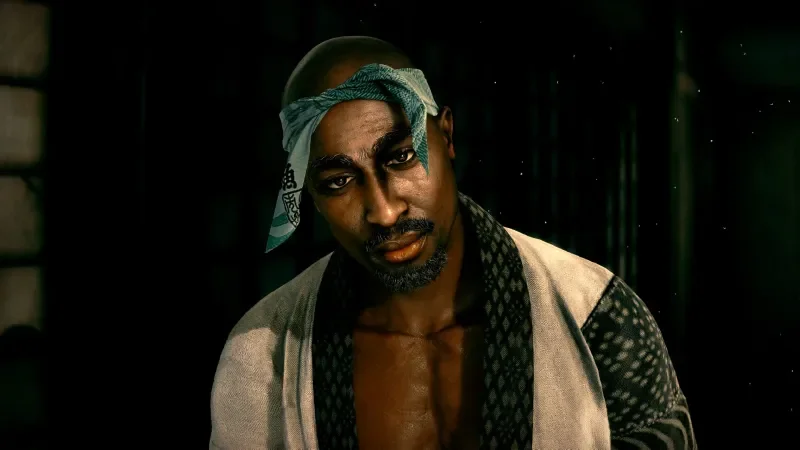
Music and performance also inform the casting. Snoop Dogg plays Orpheus, the man who helps Makoto survive in Japan and learn how to earn money through music and show business. Orpheus also smuggles him across the ocean, so the part calls for someone who can project danger while carrying emotional scenes.
Abe says the character existed before the casting decision. The team then imagined Snoop in the role, learned that he and his son had played earlier Yakuza games, and reached out with an explanation of the story and its use of Snoop’s likeness. The actor and studio worked together on Orpheus’s appearance and manner of speaking. Abe describes that collaboration as part of building the character rather than simply selecting a familiar face.
The game also features Tupac and Bunta Sugawara. Abe says the studio spoke with people close to them, including family members and estates, to explain the story and why each figure belonged in it. He describes the process as an effort to treat those portrayals with care and respect.
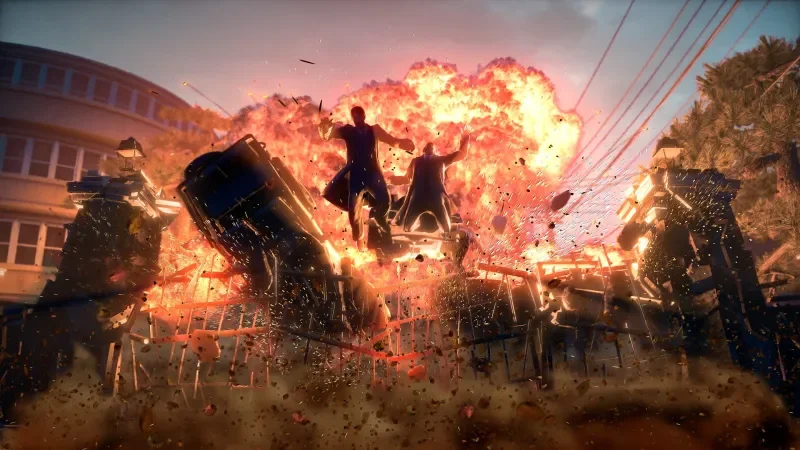
For more on Snoop Dogg and Tupac’s inclusion, read the interview with RGG Studio head Masayoshi Yokoyama here. Stranger Than Heaven is scheduled to arrive on PlayStation 5, Xbox Series X/S and PC on January 15, 2027.
The discussion combined two consecutive interviews: one with director Mikinobu Abe and one with Abe and actor Yu Shirota.