Forever Ago Turns Grief Into an Uneasy Road Trip Through Memory
Third Shift’s debut follows Alfred through anger, loss and old memories, pairing a familiar story with a personal account of seven years of development.
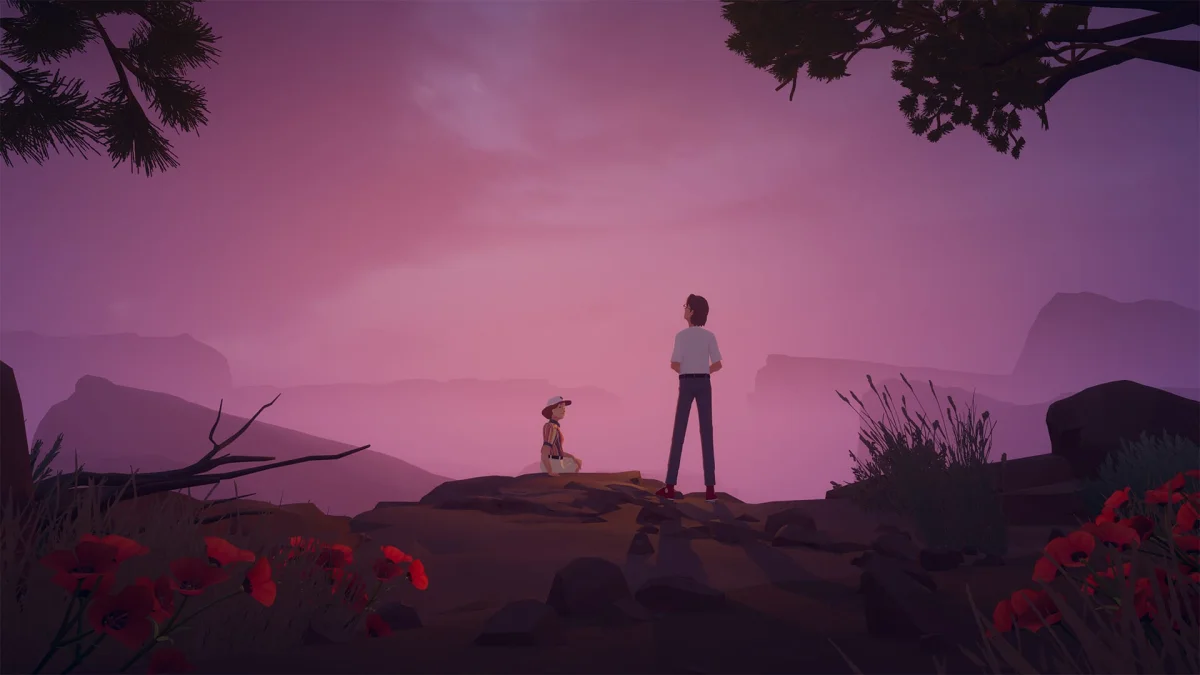
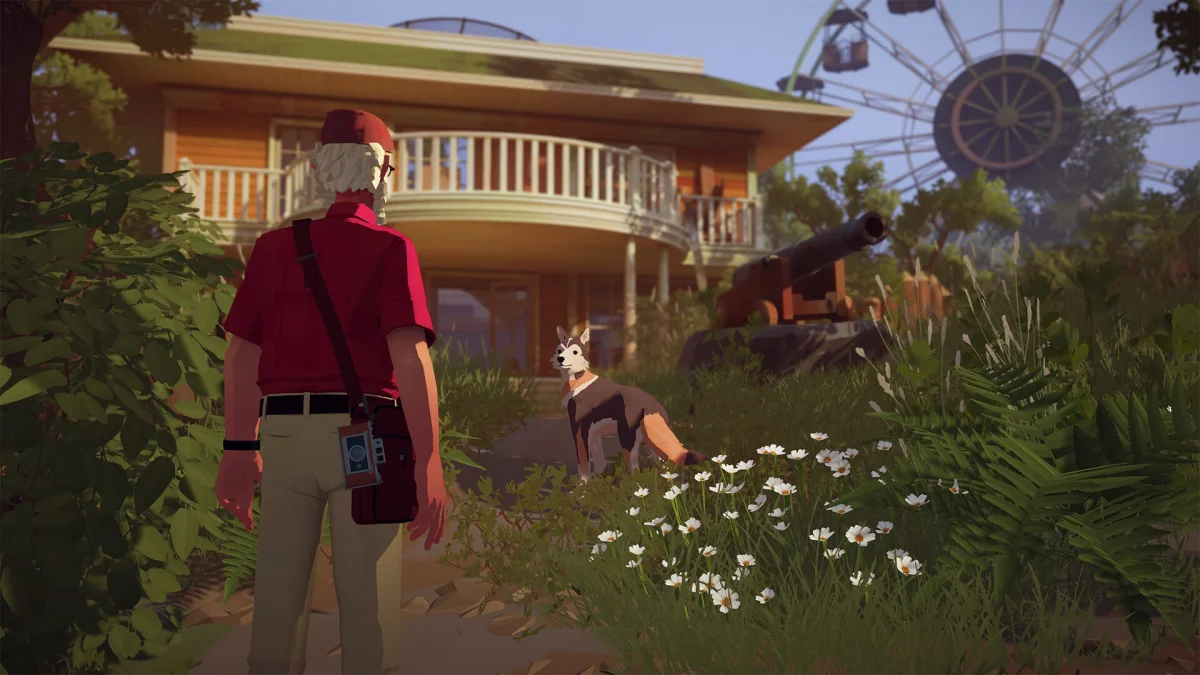
Forever Ago gives grief room to be unpleasant. Alfred, an elderly man whose wife has recently died, sets out on a trip she planned before her passing. He’s lonely and resentful, and his first instinct isn’t to turn that pain into wisdom. He lashes out at people around him. That anger makes Third Shift’s debut more affecting than its familiar story and modest gameplay might suggest.
Death has always been part of how games work: fail, try again, and learn what gets you through. Stories about death have grown more ambitious with the medium, but often settle into sadness. Forever Ago makes space for the less tidy feelings that can accompany loss: jealousy, frustration, and the sense that a future you expected has been taken away. It also questions how accurately we remember the past, especially the imperfect reality of a long relationship.
A journey shaped by anger
Alfred’s wife doesn’t die in front of the player, and the loss isn’t presented as a sudden shock. The story begins in its aftermath, with Alfred reluctantly following a route his wife prepared. As he retraces their life together, the trip becomes a way to revisit both what they shared and the stories he has told himself about it.
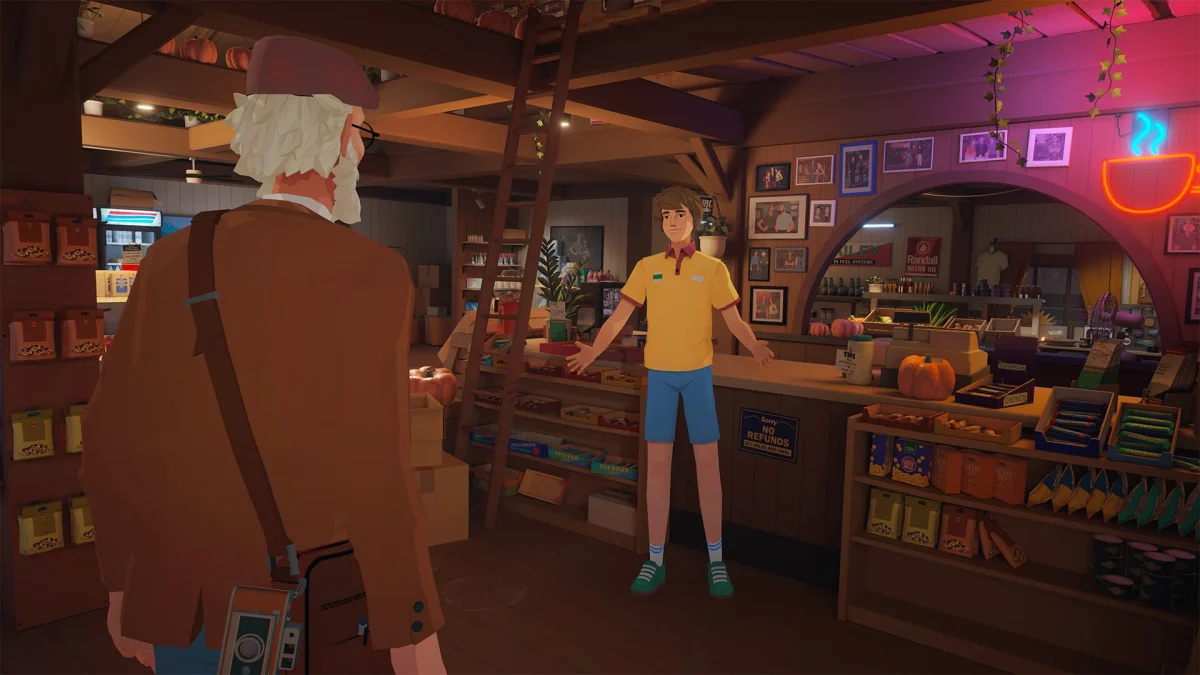
The game doesn’t excuse Alfred’s behavior. He directs his grief at whoever happens to be nearby, leaving other people to absorb feelings he can’t yet express. A gas station employee, for instance, finds himself on the receiving end of Alfred’s temper. Forever Ago lets that anger sit in the story without treating it as a model for handling loss. Its interest is in how hard it can be to understand grief while you’re still inside it.
The dog Alfred meets along the way adds another awkward relationship to the trip. Their connection is mostly one-sided and contentious, a small reminder that Alfred’s journey doesn’t suddenly make him easy company. These interactions help give his grief a social cost, even as the game’s quiet pace leaves plenty of room to sit with his memories.
That approach will feel familiar to players who know stories about closed-off older men finding a way back to their feelings. Polygon critic Giovanni Colantonio described the game as “the most Annapurna game of all time” and “an overly sentimental tear-jerker, but it's still sincere.” The first description points to its recognizable shape; the second gets at why that shape can still work. Forever Ago doesn’t reinvent the story, and its emotional directness can be unabashed. Yet its sincerity gives the familiar beats weight. The experience may bring tears even when its broad outline feels well trodden.
A personal story from a small team
Third Shift co-founder and art director Fabian Denter said the team wanted to show the hope that can come from working through grief. “People don't really wake up in the morning and say, I want to be sad today,” he said. “It's a hard topic. It's very tough to deal with. But we also think that there's some beauty in the hope that comes when you work through grief. And we want to show that.”
The project also changed meaning as its creators got older. Denter said that when he and co-founder Kai Brueckers began work seven years earlier, he thought of Alfred as belonging to his grandparents’ generation. By the time the game was nearing completion, Alfred seemed closer to his parents’ age. That shift made the character’s stage of life feel less distant.
Denter and Brueckers had known each other for more than a decade, first working together in advertising. Their skills complemented each other: Denter took charge of the visual direction, while Brueckers handled the writing, most of the programming and the user interface. In practice, the game was largely made by the two of them.
They wanted to put their shared interest in games toward a story with more personal meaning than advertising work. Denter recalled that their former jobs involved selling simplified feelings tied to products. With Forever Ago, he said, they wanted to tell “an actual story to actual people.” That intent shows up in the game’s attention to intimate details, including Alfred’s camera and the journal where he places the pictures he develops along the way.
Seven years from hobby project to debut
Forever Ago began as a nights-and-weekends project, part of the pair’s experiments in learning how to make games. Their first trailer named 2021 as the release year while they were looking for a publisher. Annapurna Interactive later showed interest around Christmas 2020; by June 2021, the relationship was becoming a practical commitment, and the founders were drawing pay from their own company for the first time.
Getting there involved uncertainty and a long transition out of their previous jobs. Denter had to give three months’ notice at his advertising job in Germany before he could leave. That period began before the deal with Annapurna was formally signed, so he faced the possibility that the arrangement could fall through while he was preparing to move on. The early trailer also captures how much the project changed: some of its scenes didn’t make the final game.
Denter said the team spent its first three or four years making mistakes and learning as they went. They sometimes polished sections because they wanted them to look good, when it would have been more useful to leave them rough and put time elsewhere. Other early work survived. Brueckers singled out the in-game journal as a feature that still looked good years after they first made it. The opening around the gas station also dates back to the project’s early days, though the slice they presented to Annapurna differed from the section later shown ahead of release.
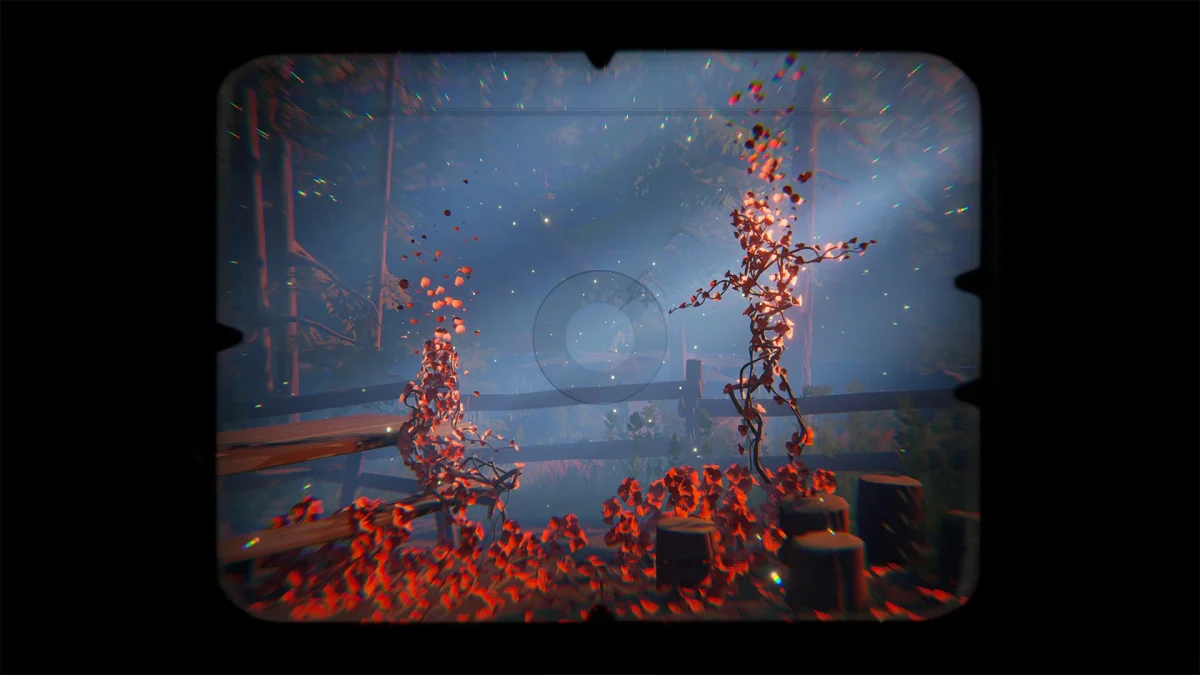
The subject became more personal during development. Denter’s grandfather, who partly inspired Alfred, died while the team was making the game. His grandmother had died ten years earlier, giving him an earlier view of the grieving process the story explores. The camera and journal draw on the founders’ lives, too. Brueckers joked that Denter had been a “great photographer” during their advertising years. Denter clarified that much of his work involved taking pictures of microwaves and refrigerators, which made him sad and seemed to suit the game’s mood.
Those kitchen appliances became one of the game’s most personal touches. Denter called them “the most personal item in the game,” a detail that connects the project’s larger themes to ordinary life. The result has a simple but useful tension: its slow walking and button presses offer limited interaction, while its writing and performances carry most of the emotional force. Players looking for a systems-heavy road trip may find that balance slight. For those willing to follow Alfred through the messier parts of grief, the game’s strongest moments come from the things he can’t neatly leave behind.