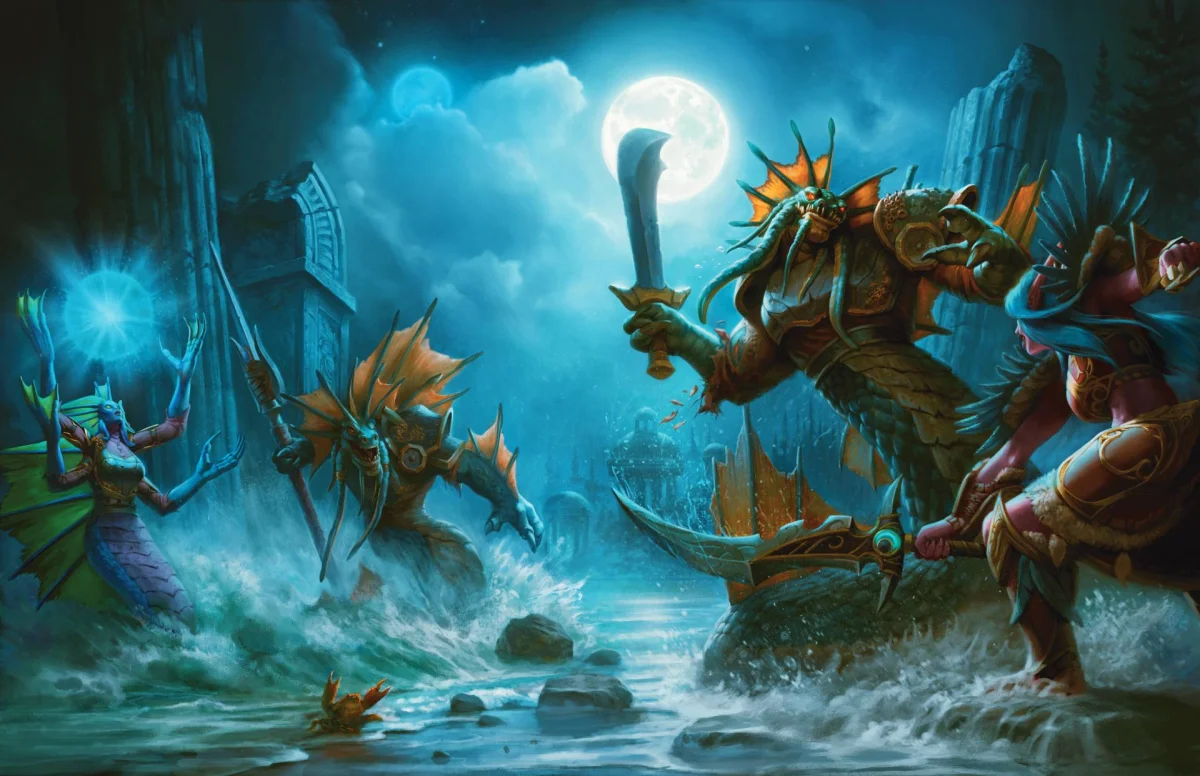
D&D: World of Warcraft Brings All 13 Azeroth Classes to the Tabletop
Build an Azeroth hero with 13 classes, 40 specializations, new subclasses, spells and species in D&D: World of Warcraft.
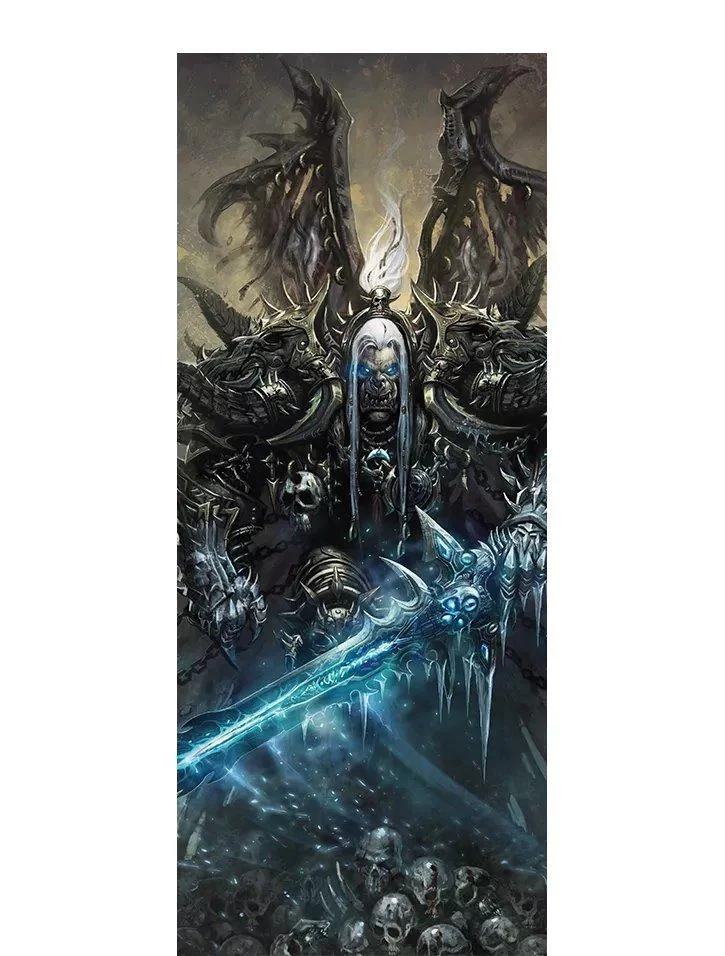
D&D: World of Warcraft® brings the MMO’s full class roster into tabletop play, with each class mapped onto Dungeons & Dragons rules. The book offers 13 classes, 40 specializations, nine new or reimagined subclasses, and class specific spells and features. That gives players room to adapt a familiar Azeroth character or build a hero around a different role.

The adaptation’s most useful idea is its approach to specializations. Some are represented by a dedicated subclass; others guide players toward a mix of subclasses, feats, spells, and other choices. The result is a character-building system that can evoke the recognizable feel of a World of Warcraft role while using the foundations of the D&D rules. An Evoker, for instance, might focus on the destructive force of Devastation or the healing magic of Preservation.
Three classes—Death Knight, Demon Hunter, and Evoker—are designated as hero classes. Their characters typically begin at level 3 or higher, reflecting their status as seasoned adventurers. A Dungeon Master can allow a level 1 start, though a Death Knight’s subclass is fixed at character creation. Species also matter to the setting: the source describes Demon Hunters as elves and Evokers as dracthyr, and recommends discussing other species choices with the DM.
Death Knight and Demon Hunter: power with a price
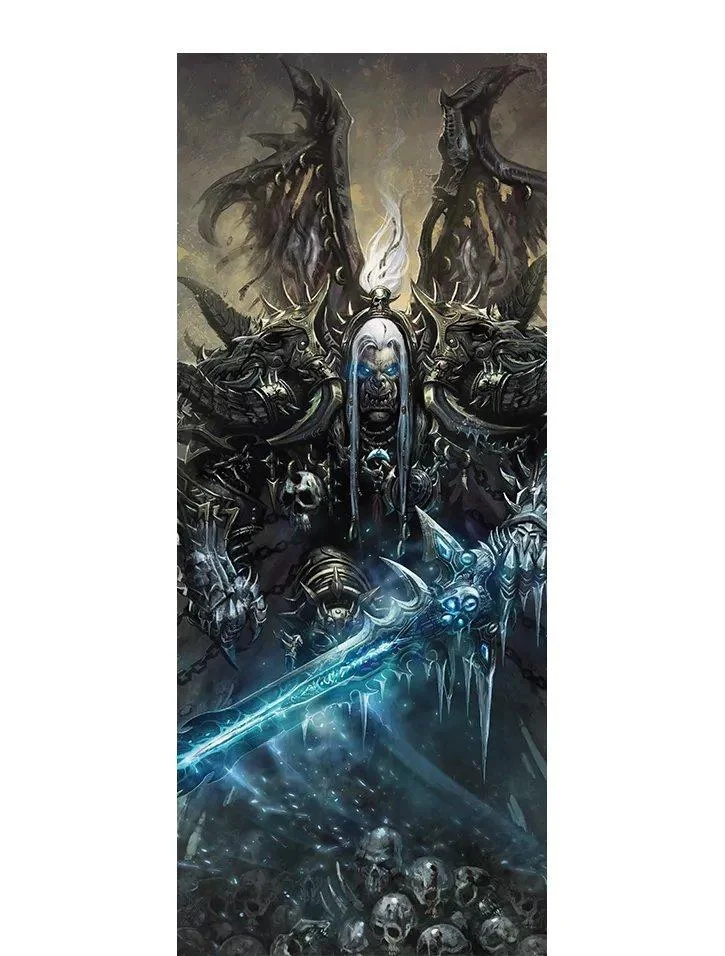
Death Knights channel the dark arts once associated with the Lich King, now turned toward defending Azeroth. Their three paths offer distinctly different ways to bring that power to a fight. Blood manipulates life energy to endure enemy attacks; Frost turns runic power into punishing weapon strikes; and Unholy spreads infection, commands undead, and draws on death and decay.
At the table, the Death Knight uses the Paladin class with the new Oath of the Ebon Blade subclass. That oath changes some of the Paladin’s core features from level 1 and supports all three specializations. Its Runeforging feature makes the character’s weapon choice part of their identity: Blood runes help reduce damage to allies and restore Hit Points or Temporary Hit Points; Frost runes add ice and a potent cold breath; Unholy runes curse foes, add Necrotic damage, and call spirits. A chosen specialization also grants access to unique oath spells.
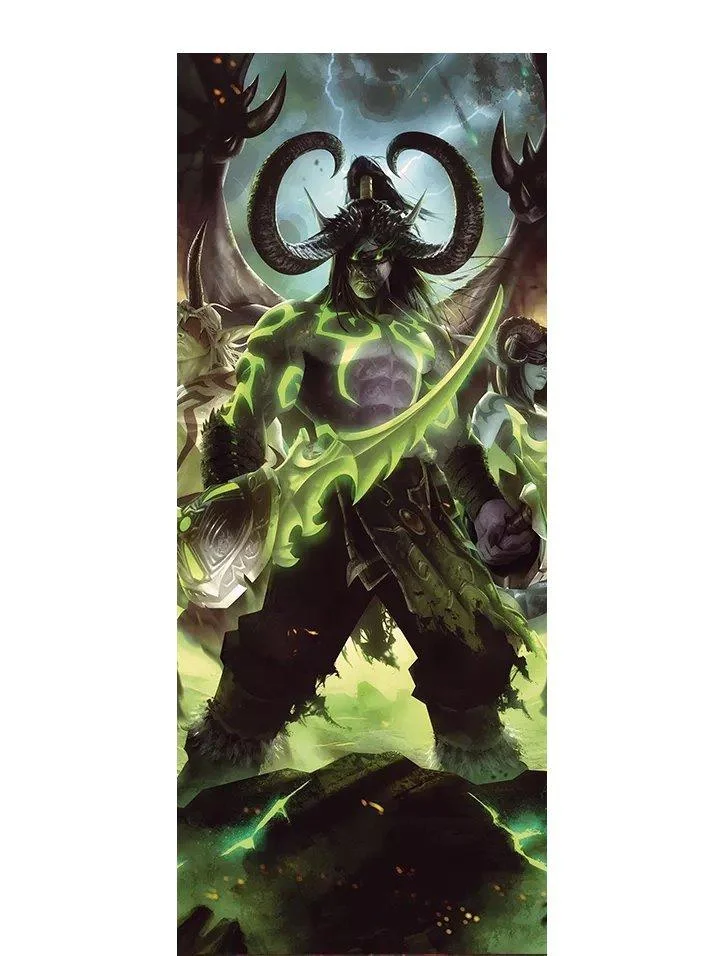
Demon Hunters combine close combat with supernatural power, gathering soul fragments from fallen enemies to fuel their abilities. The book adapts them through the Ranger class and a new Demon Hunter subclass, which grants Blindsight and lets the character collect fragments to cast certain spells or drain health from nearby foes.
Their specializations shape how they use that resource. Devourers draw on the Void and consume souls to restore their strength. Havoc focuses on destructive fel magic and melee attacks. Vengeance turns the demon within into a means of burning enemies and protecting allies. Each path points players toward additional spells suited to its combat style. The source’s lore note is specific: Demon Hunters are elves in World of Warcraft, including blood elves, night elves, and void elves. Players considering another species should check with their DM.
Druid and Evoker: shape-shifting and dragon magic

Druids cover a wide range of party roles, from cosmic spellcaster to frontline defender and healer. Their four specializations are Balance, Feral, Guardian, and Restoration. Balance draws on the sun, moon, and stars; Feral embraces the predator’s instincts; Guardian stands firm against danger; and Restoration answers decay with renewed life.
The class uses existing D&D subclasses in ways that distinguish the four approaches. Balance pairs with Circle of the Stars, using Starry Form to take on a moonkin-like appearance and adapt its magic. Feral uses Circle of the Moon and a dedicated Cat Form for close-range attacks. Guardian also uses Circle of the Moon, but its Bear Form is built to shield companions, turn magical energy into Temporary Hit Points, and make enemy attacks less reliable. Restoration selects Circle of the Land and gains spells designed to keep allies healed over time.
Beast Forms are a defining part of the Druid conversion. All Druids gain Cat, Bear, and Travel forms; Travel includes Aquatic and Flight Forms. The forms use distinct stat blocks for Druids with the Circle Forms feature, while other Druids have access to specified Beast stat blocks. That gives shapeshifting a practical mechanical role alongside its clear connection to the source game.
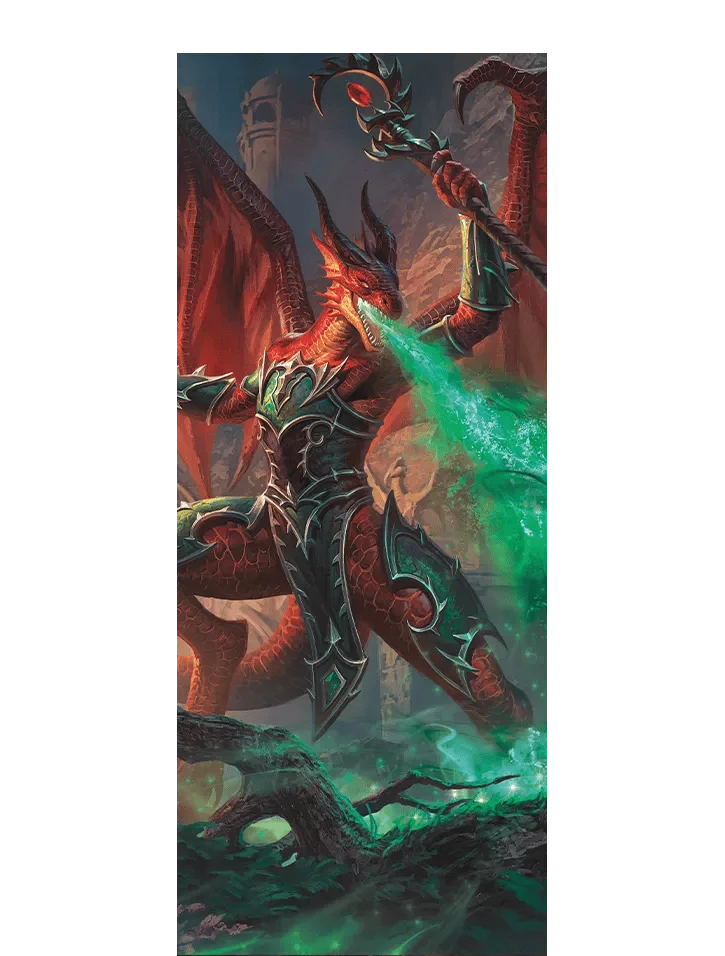
Evokers bring dracthyr magic and the power of dragonflights into the party. Their three specializations divide that power between support, damage, and healing. Augmentation channels the black dragonflight to strengthen nearby allies. Devastation combines the red dragonflight’s destructive flames with the blue dragons’ precise arcane force. Preservation draws on the Emerald Dream to restore injured companions.
The Evoker is the third hero class and typically starts at level 3 or above. Its tabletop foundation is Sorcerer with the Draconic Sorcery subclass, slightly adapted for this class. Augmentation spells improve defenses and let nearby allies deal extra damage. Devastation adds area attacks, burning effects, and ways to hinder foes. Preservation offers protection, healing, and tools to pull allies away from danger. Evokers are dracthyr in World of Warcraft lore, so another species is a choice to discuss with the DM.
Hunter and Mage: control the field at range
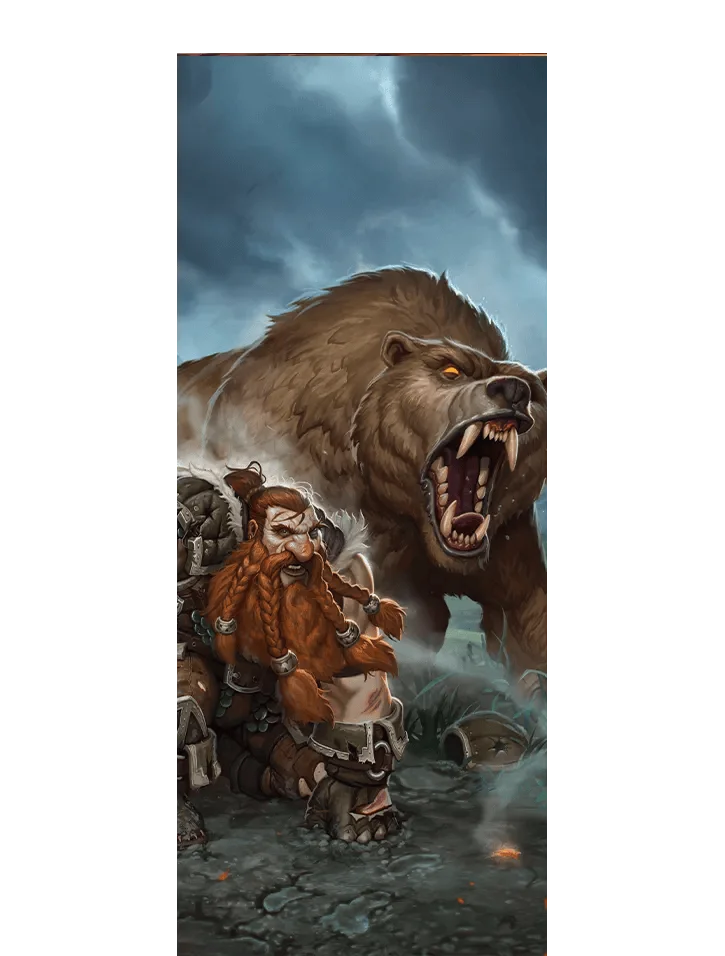
Hunters make the wilderness part of their tactical toolkit. They can hide among their surroundings, set traps, and fight with bows, guns, or polearms, often alongside an animal companion. Beast Mastery builds a bond with powerful creatures; Marksmanship focuses on ranged precision and stealth; Survival leans into close, hard fought encounters.
All three use the Ranger class, but their subclass choices vary. Marksmanship selects the Hunter subclass and emphasizes stealth and archery, including attacks against larger foes from a distance. Beast Mastery and Survival use the Beast Master subclass. At level 6, Survival keeps the Roving feature, while Beast Mastery gains a new Pet Specialization feature. The Ranger spell list also receives additional options for World of Warcraft Hunters, including two new trap spells.
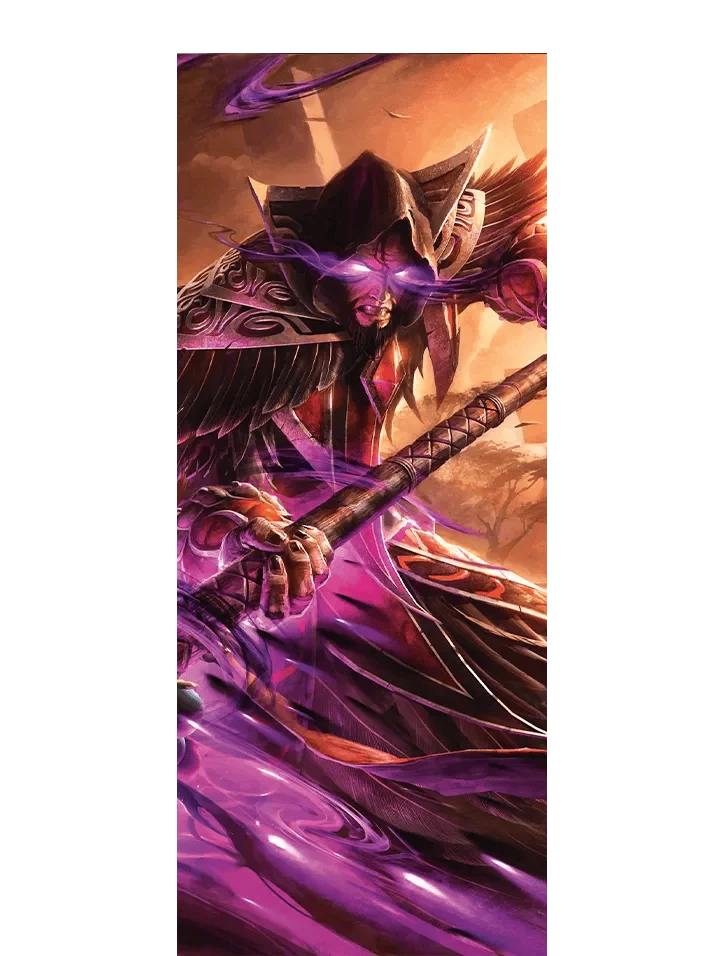
Mages take the Wizard class into three familiar schools of specialization: Arcane, Fire, and Frost. Each choice affects the player’s spell and feat selections, with new options intended to capture the distinct identity of that magic. Arcane focuses on raw magical force; Fire brings explosive pyromancy; and Frost slows or restrains enemies before striking them with cold.
Arcane Mages gain the Clearcasting feat, which boosts Force damage and lets them cast a cantrip as a Reaction after scoring a Critical Hit. Their spell choices include magic tied to the building blocks of reality, such as Create Food and Water and Mass Polymorph.
Fire and Frost each add magic that expands the Wizard’s familiar toolkit. Fire Mages can select spells such as Flame Strike, alongside the Hot Streak feat, which lets them burn targets with Fire damage spells. Frost gains new cold spells that can restrain enemies, while the Fingers of Frost feat adds damage against restrained targets. Those features give both specializations a clear combat hook: Fire rewards offensive spellcasting, while Frost can turn control effects into heavier hits.
Monk and Paladin: protect allies or press the attack

Monks bring together martial skill, spiritual energy, and, for some, carefully prepared drinks. Brewmaster, Mistweaver, and Windwalker each point toward a different party role. Brewmasters use unpredictable movement and concoctions to keep foes off balance. Mistweavers turn magical mists into healing. Windwalkers focus on fast, precise hand-to-hand combat.
Brewmasters use an updated Warrior of Mystic Brews subclass. Their drinks grant beneficial effects for one hour, or eight hours when the Monk spends a Focus Point. New recipes arrive as the character advances, eventually allowing multiple effects in one drink. The path also includes feats that make the Monk harder to bring down.
Mistweavers select Warrior of Mercy and gain a feat that helps reduce damage to allies or grant them Temporary Hit Points. Windwalkers use Warrior of the Open Hand, supported by a new Fists of Fury feat that increases their damage as they land successive hits. Together, those choices make the Monk’s three paths legible at the table without relying on one shared combat role.
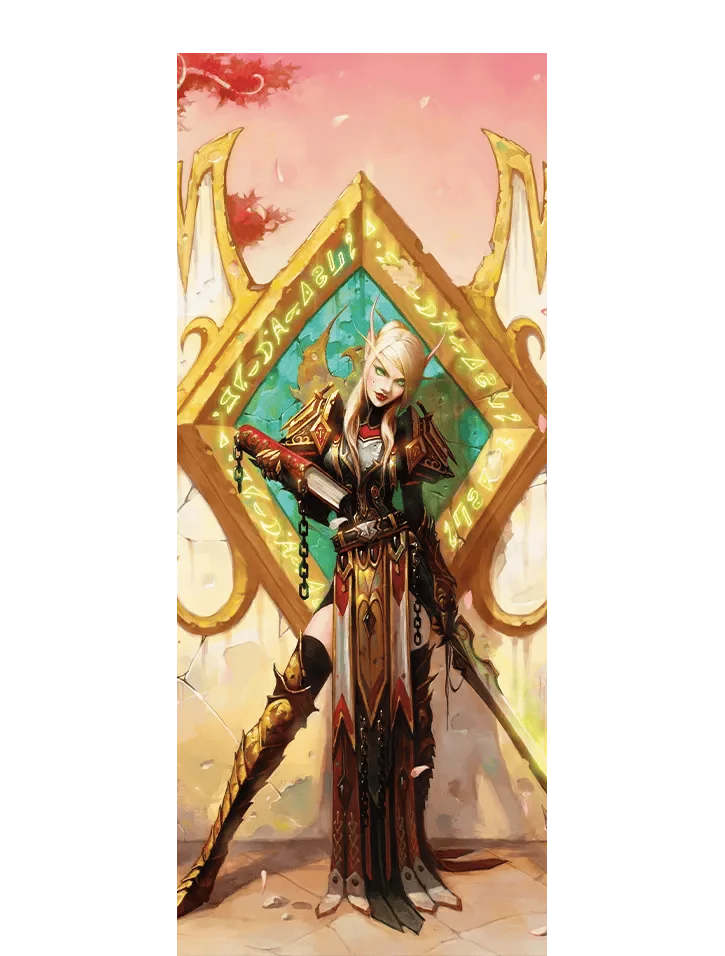
Paladins use the Light to heal, defend, and punish enemies. The class is open to characters of any species or culture, with its identity grounded in virtue and a strong opposition to injustice. Holy, Protection, and Retribution translate that broad concept into distinct ways to serve a group.
Holy Paladins use the new Oath of the Holy subclass. It strengthens their healing, lets them restore more Hit Points to Bloodied creatures within their Aura of Protection, and restores Lay on Hands when they deal Radiant damage. Protection Paladins take the Oath of Devotion and gain new spells for guarding themselves and their companions. Retribution Paladins take the Oath of Vengeance, with additional spells for a more aggressive style of defense.
Priest and Rogue: light, shadow, and precision
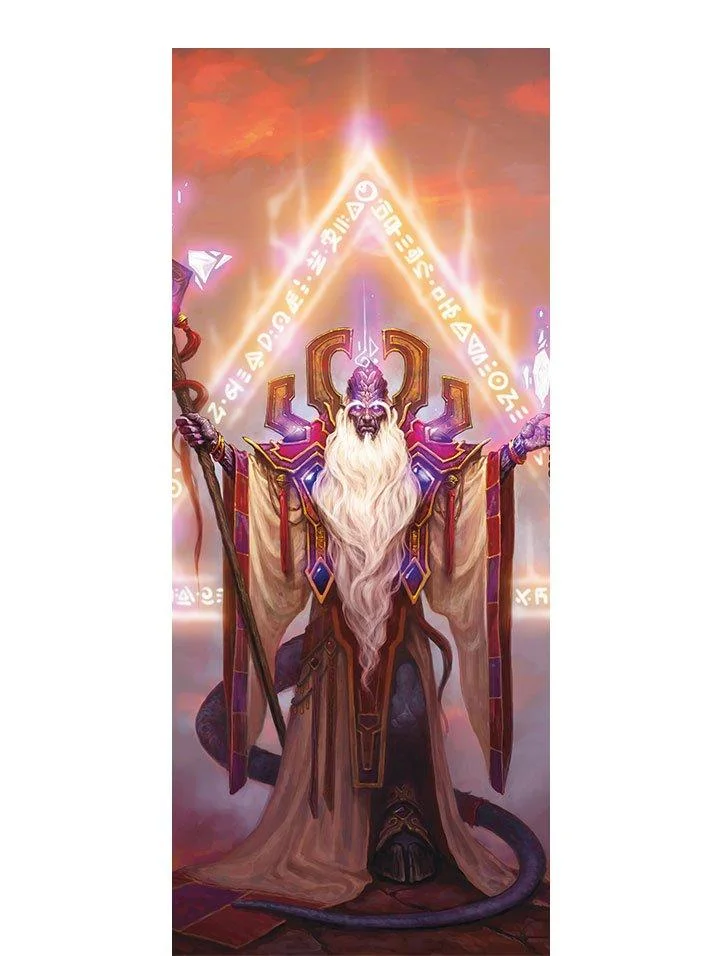
Priests draw on the Light or the Void, using those forces to sustain allies or bring enemies under pressure. Discipline attempts to balance both sides; Holy commits to healing and service on the battlefield; Shadow embraces the power found in darkness. The book maps all three onto the D&D Cleric class.
Discipline uses a new Discipline Domain subclass, with features that reward both dealing damage and restoring Hit Points. Holy selects the Life Domain and gains spells that can damage foes while healing allies. Shadow uses a new Shadow Domain, including the ability to spend Channel Divinity to enter a shadowy form. That mix of established and new subclasses gives each Priest specialization a separate mechanical foundation.
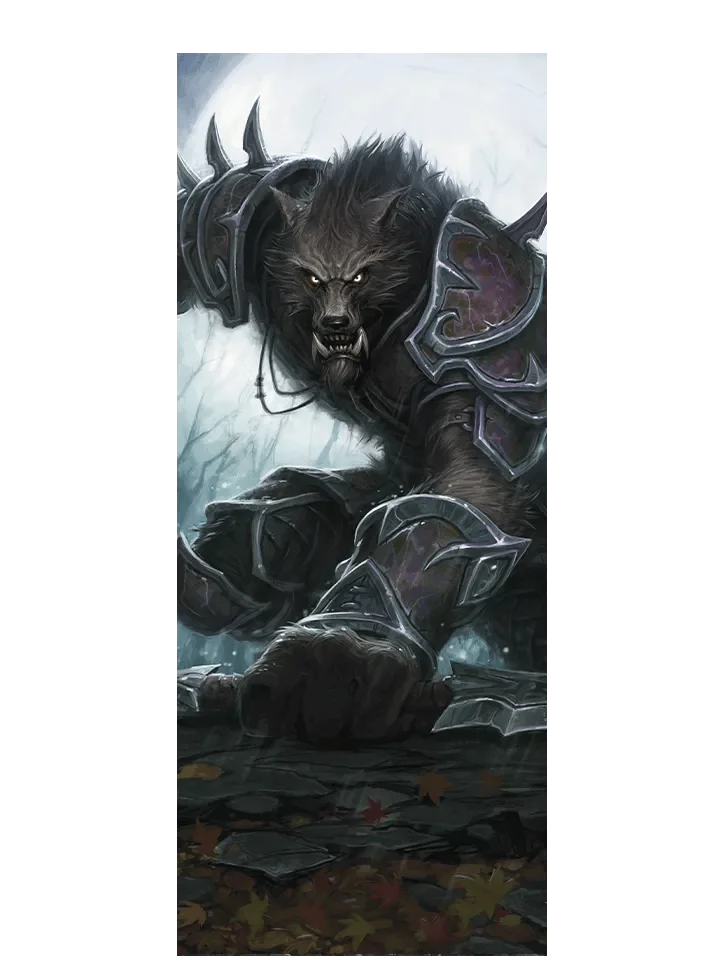
Rogues remain specialists in concealment, mobility, and well-timed attacks. Their three paths are Assassination, Outlaw, and Subtlety. Assassination focuses on poison and rapid damage; Outlaw relies on agility and guile in direct combat; Subtlety turns shadow magic into cover for ambushes.
Assassination uses the Assassin subclass, pairing poison with high mobility and forceful attacks. Outlaw uses an updated Swashbuckler subclass, built around movement and provoking opponents as it crosses the battlefield. Subtlety takes the Soulknife subclass and prioritizes stealth and surprise. The choices keep the class’s central promise intact while separating its approaches: toxins and speed, bold close combat, or a hidden strike.
Shaman, Warlock, and Warrior: three routes into a fight
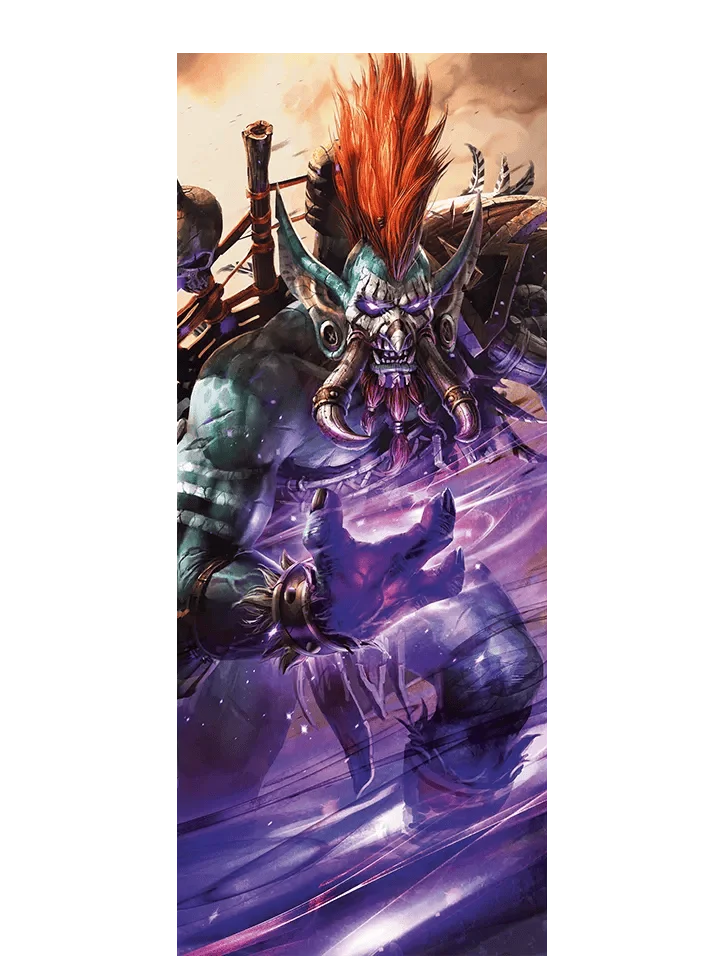
Shamans direct elemental power through totems and can specialize in Elemental, Enhancement, or Restoration. Elemental focuses on raw forces; Enhancement infuses physical attacks with elemental energy; Restoration uses water to return allies to health.
The tabletop version uses the Barbarian class, replacing Primal Knowledge with a new Totems feature. A Shaman can plant a totem as a Bonus Action to briefly grant nearby allies immunity to certain conditions or reduce an enemy’s Speed. The effect lasts for a short time, but another totem can be placed on a later turn.
Elemental Shamans take the new Path of the Elements, gaining ways to deal additional damage, resist elemental attacks, use utility spells, and reduce an enemy’s threat. Enhancement uses an updated Path of the Spiritual Guardian to add effects to strikes, absorb damage for nearby allies, and draw on Divination magic. Restoration selects the Path of the World Tree, which empowers allies and can pull them out of danger.
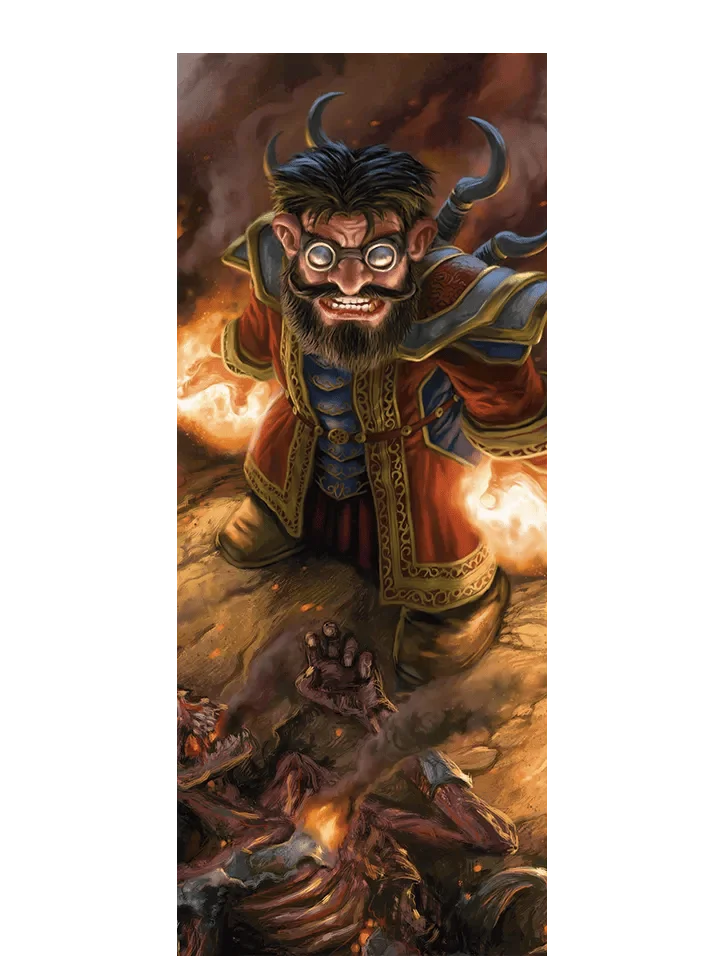
Warlocks bargain with powers tied to the Burning Legion or the Void, though their pacts can take the form of summoned demons and aberrations. Affliction, Demonology, and Destruction divide that power between curses, summons, and broad damage.
Affliction uses the Great Old One Patron subclass and new Eldritch Invocations to summon aberrations, hinder enemies, and strengthen curses. Demonology and Destruction both use the Fiend Patron. Demonologists focus on keeping summoned creatures in play for longer and gaining Hit Points when a summon dies. Destruction is built for powerful spells that deal lingering damage across an area. The difference is practical: one path makes its allies part of the offense, while the other spreads its own magical force across multiple foes.
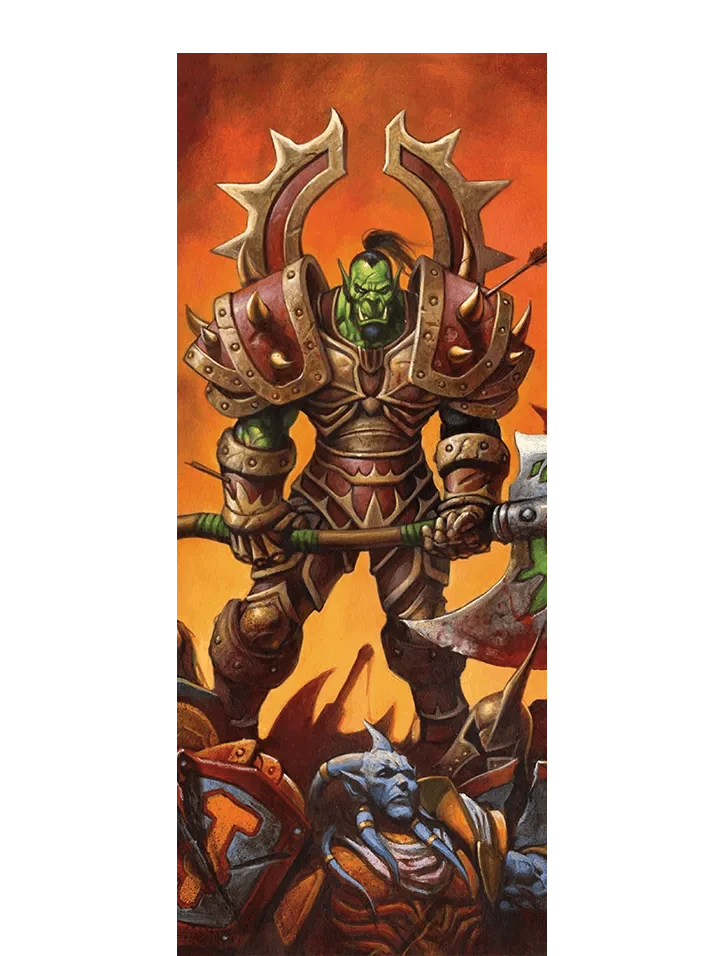
Warriors bring weapon skill and battlefield control without relying on spellcasting. The Fighter class supports Arms, Fury, and Protection. Arms favors a two-handed Greataxe, Greatsword, or Maul and uses the Battle Master subclass. Fury uses the Champion subclass to dual-wield weapons, often Scimitars, and maintain a relentless attack. Protection also uses Battle Master, stepping between companions and danger.
Fury players may instead consider the Barbarian class with the Berserker subclass. Warriors using Battle Master gain five new maneuver options, giving Arms and Protection additional ways to shape a fight. It’s a compact example of the adaptation’s broader approach: class and subclass choices do the main work, while specialized features and spells add the details that make each Azeroth role recognizable.
Build an Azeroth hero your way
Across all 13 classes, D&D: World of Warcraft® adds 11 species, more than 60 spells, and over 30 magic items alongside its specializations and subclass options. The strongest starting point is the role a character should fill: hold the line, support allies, control the field, or push damage. From there, the class guide offers a route into the mechanics, whether that means a familiar character build or a new combination shaped for tabletop play.