Tears of the Kingdom Recomp Runs at 30–40 FPS on Steam Deck
A new Linux recompilation reaches 30–40 FPS in the open world, but flickering shadows and performance drops mean it needs more work.

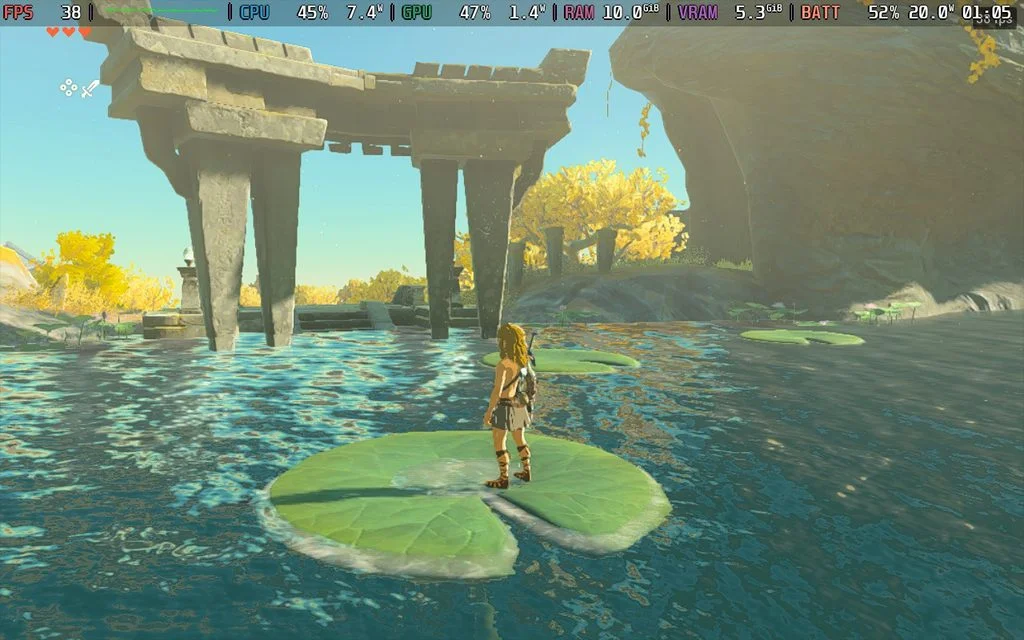
The figures below come from one early test, but they point to an intriguing possibility: a recompiled version of The Legend of Zelda: Tears of the Kingdom can run on Steam Deck without relying on emulation. In open areas, it held around 30–40 frames per second. That’s a promising start, though the current build still has visible problems and isn’t ready for a recommendation.

A different route to running the game
The test used totk-pc-recomp, a project by valentderah that was built with help from Claude AI. The author says the contributors appear to have development experience and an understanding of the AI-assisted work. That background helped make the project worth trying, even though the tool’s use of AI raises questions about how much of the implementation its human contributors can maintain and improve.

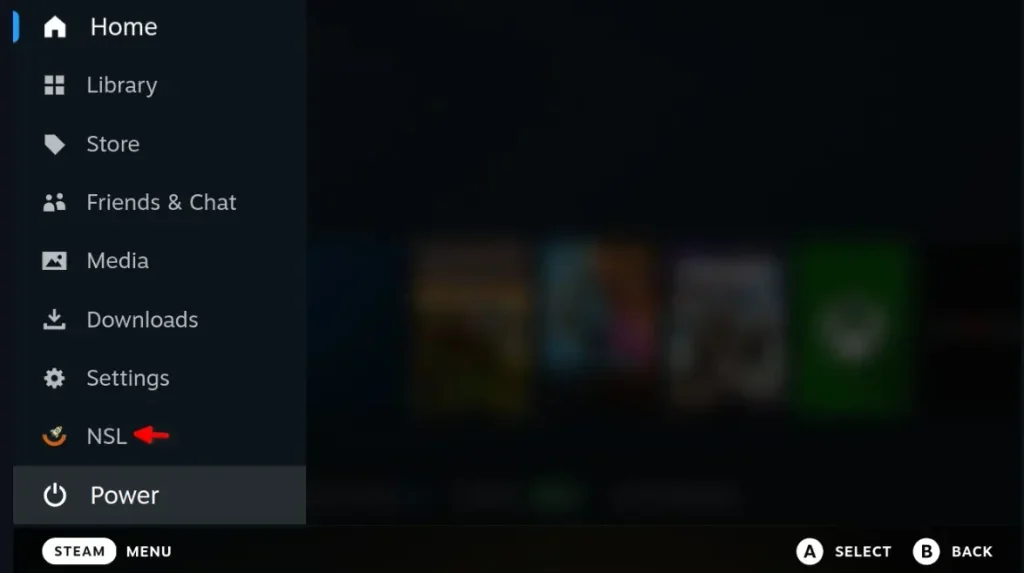
Recompilation offers a different path from running a game through an emulator. Here, the project takes a user’s own game files and produces a version with a Linux executable. That executable can then be added to Steam, making it possible to launch the result on a Deck. The process doesn’t make the game a native release from its original developer, and this Linux build remains early and lightly tested. Still, getting it to run at all is a meaningful technical result.
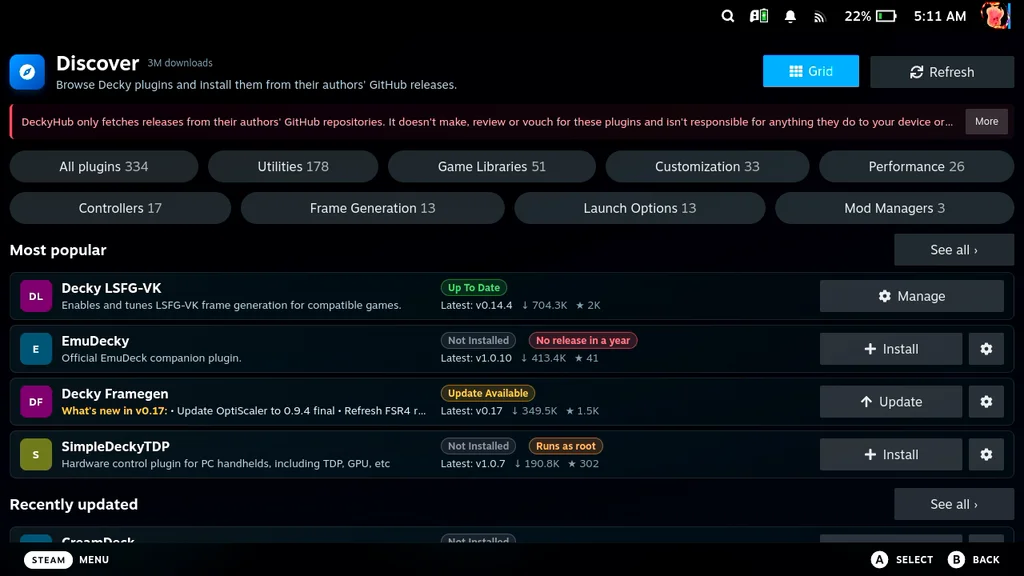
The author says the test used a dump of a legally purchased copy and stresses that the site opposes piracy. Getting started was relatively straightforward once the required files were ready: launch the program, direct it to those files, and choose where to place the compiled output. The wait for that process took longer than expected, but the resulting game was ready to launch when it finished.

Promising frame rates, with visible rough edges
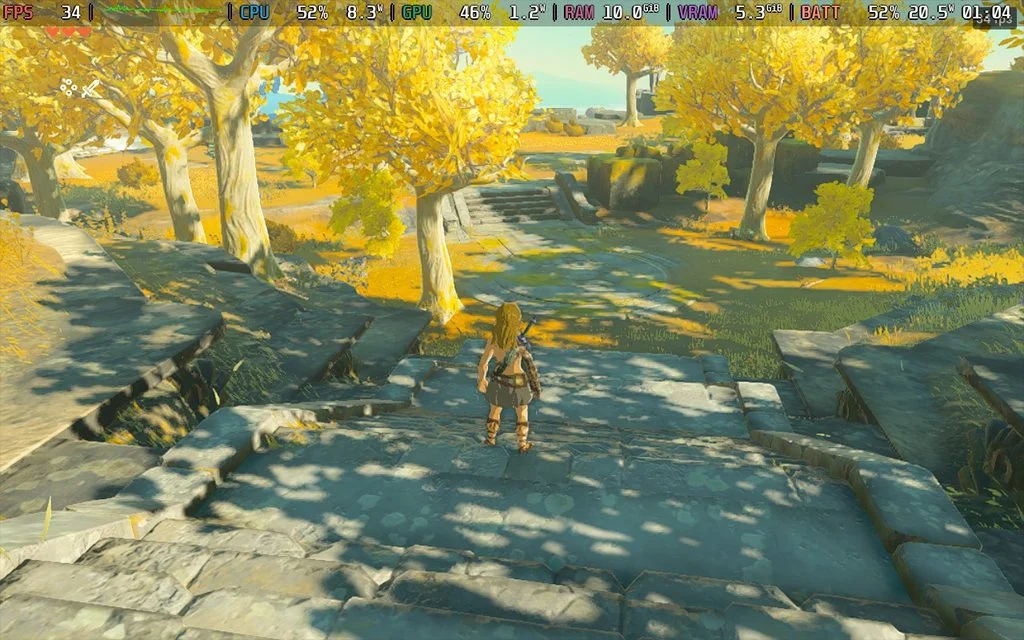
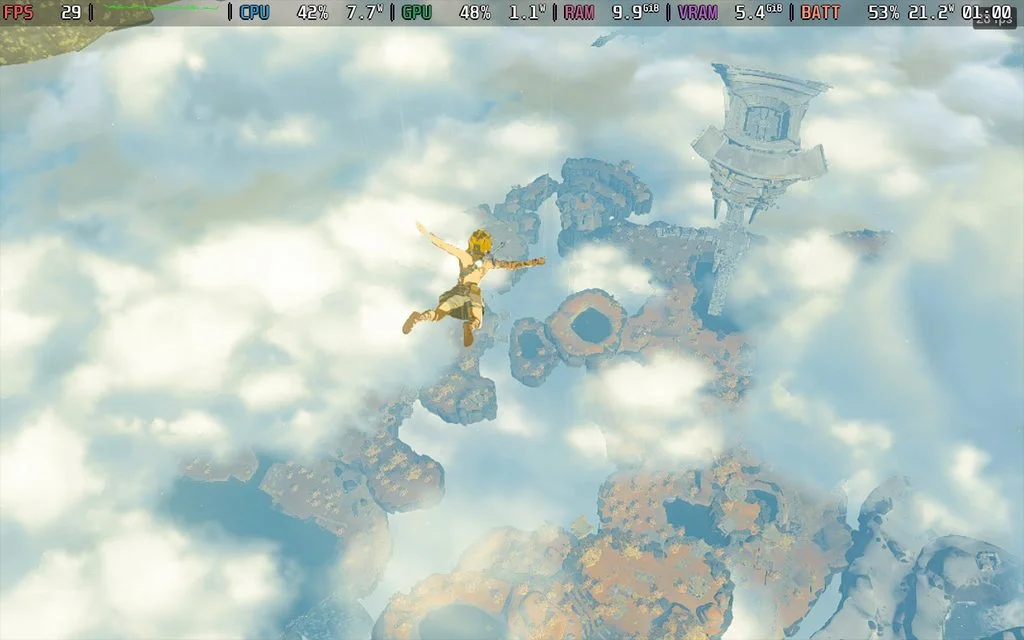
In the game’s early, contained sections, the Deck reached 60 FPS using default settings, an 83% rendering scale, and a resolution of 1280×800. Performance changed considerably after the test moved into the open world. There, the frame rate settled around 30–40 FPS, with dips below 30 when Link fell through the sky. Reducing the rendering scale to 60% didn’t produce a clear improvement: the game still hovered around 30–40 FPS.
Frame rate isn’t the only concern. Shadows flickered across the ground, creating a distracting visual defect. For a game built around exploring a large world, that kind of inconsistency matters. A relatively steady reading doesn’t tell the whole story when the image itself can pull attention away from play.

Even with those caveats, the results are notable for such an early Linux version. The test suggests the recomp can deliver a playable-looking frame rate in some situations on handheld hardware, despite limited testing and unfinished presentation. That’s evidence of potential, rather than proof that the current build provides a dependable experience across the full game.
What the test suggests for Deck players
The author doesn’t consider the current version ready to recommend or fully playable on Steam Deck. In their comparison, however, it ran significantly better than emulation. That assessment comes from this particular test, and performance can vary by game, software build, settings, and hardware. It’s best read as an encouraging early result for this project, not a guarantee that other recompiled games will behave the same way.
There’s a broader reason to watch projects like this: they may give some console games another route onto PC hardware. Recompilation can produce a Linux executable that fits more naturally into the Deck’s software environment, while leaving developers with the work of fixing visual issues and tuning performance. The first step is getting the game to launch; turning that into a consistent handheld experience takes further refinement.
The author’s enthusiasm is tempered by the practical limits. The game still drops below 30 FPS in demanding moments, the reduced rendering scale doesn’t resolve the open-world performance ceiling, and shadow flicker remains conspicuous. Those issues make it too soon to treat the recomp as a polished way to play. But a Linux build reaching 30–40 FPS across open-world sections gives its developers something concrete to improve.
For now, the result is an early demonstration of what recompilation might offer Steam Deck players, not a finished alternative to playing on the game’s original hardware. The next meaningful step is optimization that improves both frame pacing and visual stability. If the contributors can deliver that, this project could become a much more practical example of how recompiled games fit into handheld PC play.