Intel CPU Deals Cut Core Ultra and 14th Gen Prices by Up to 22%
Intel’s Prime Big Deal Days discounts cover Core Ultra 200 and 14th Gen CPUs, with options for DDR5 builds and systems using DDR4.
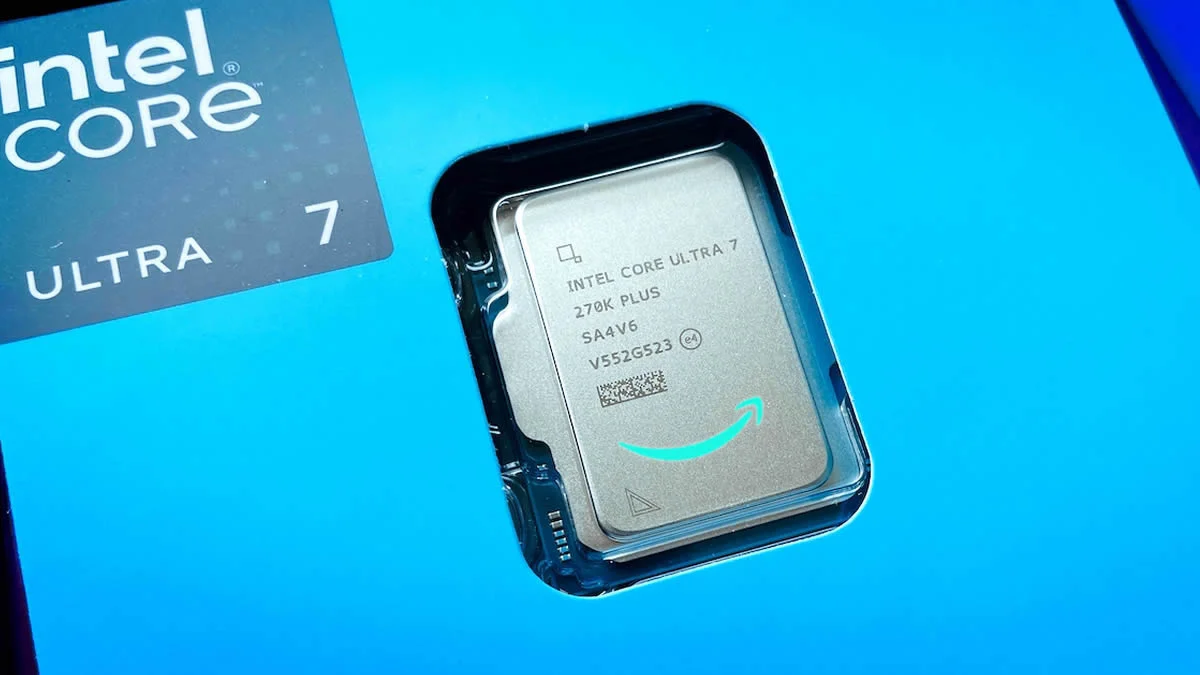
Intel’s Prime Big Deal Days discounts span two desktop platforms, giving PC builders a choice between newer Core Ultra 200 processors for DDR5 systems and 14th Gen Core chips that support either DDR4 or DDR5. The listed reductions reach 22%, with prices starting at £75.99 for a Core i3 14100F. Those figures make the sale look broad, but the headline discount alone says little about whether a processor is a good fit for a particular build.
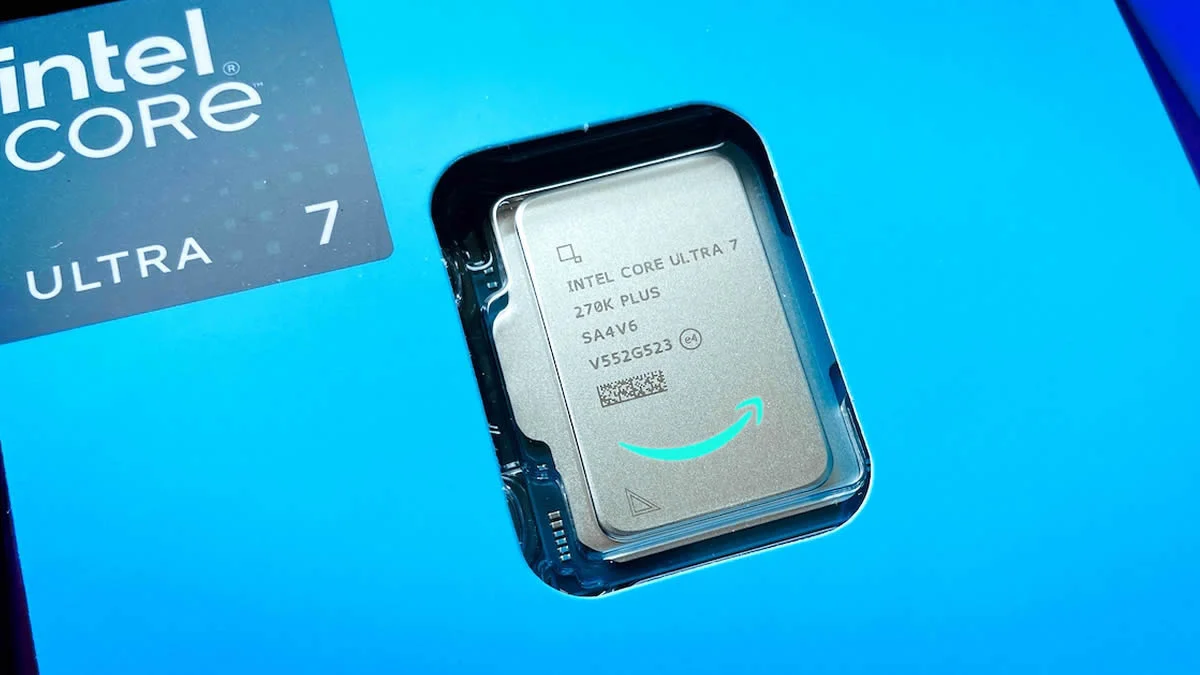
The practical appeal depends on the system around the processor. A move to LGA1851 means a DDR5 build, while LGA1700 CPUs can suit builders who want to carry existing DDR4 memory into a new or upgraded PC. With memory costs a factor in build budgets, that flexibility can matter as much as the processor discount. If you're pricing a full system, compare the platform costs together: motherboard, memory, and CPU all shape the real upgrade bill.
Core Ultra 200: newer platform, DDR5 only
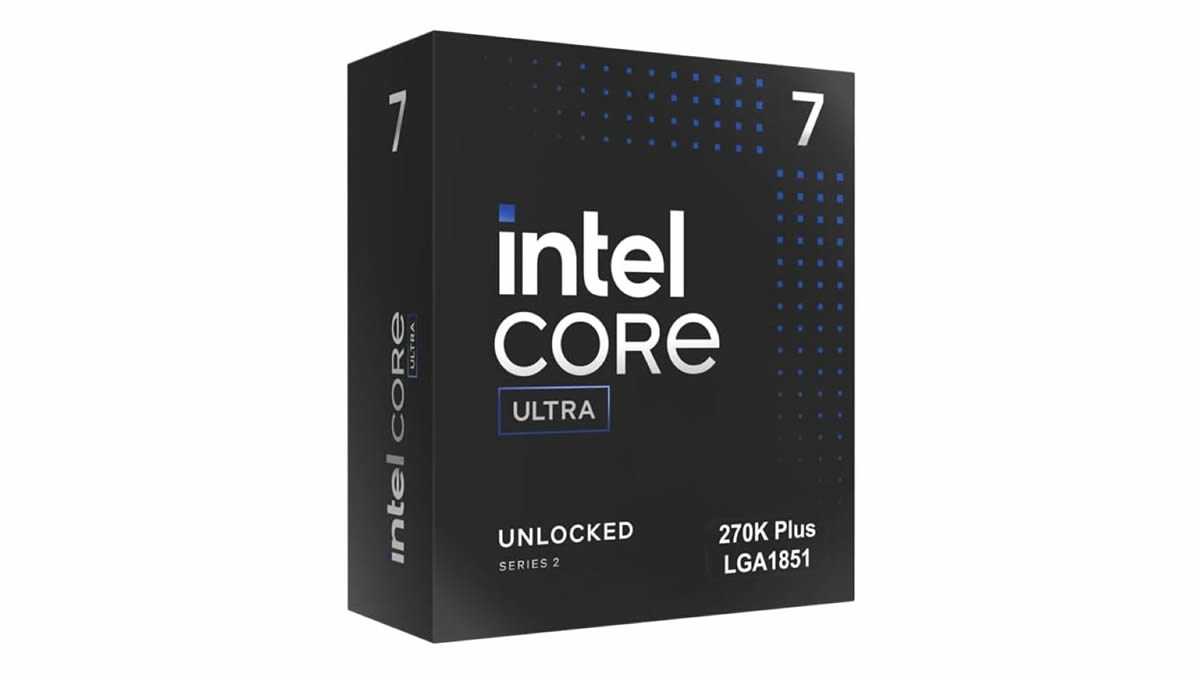
Intel has reduced prices across several LGA1851 Core Ultra 200 models, including PLUS-series processors. The options listed range from a 10-core Core Ultra 5 to a 24-core Core Ultra 7. Core counts combine performance cores (P-cores) and efficiency cores (E-cores), so the figures describe different kinds of work the chips can handle in parallel. They’re a useful starting point, though they don’t by themselves establish how a chip performs in a particular game or application.
- Intel Core Ultra 5 225F — 10 cores (6P+4E), £117.99, 12% off.
- Intel Core Ultra 5 250KF PLUS — 18 cores (6P+12E), £168.99, 16% off.
- Intel Core Ultra 5 250K PLUS — 18 cores (6P+12E), £178.49, 15% off.
- Intel Core Ultra 7 270K PLUS — 24 cores (8P+16E), £249.99, 17% off.
The source describes the PLUS chips as strong gaming options against AMD’s non-X3D processors, and highlights the Ultra 7 270K PLUS for multithreaded and workstation workloads. Those are useful distinctions for buyers: gaming performance and heavily parallel tasks don’t always point to the same processor choice. A chip with more cores may be better suited to work that can spread across them, while a gaming buyer should weigh the stated comparison and their own system priorities. The listed core counts and prices make the Ultra 7 the highest-tier option here, while the Ultra 5 models offer a lower entry point into the platform.
The two Ultra 5 250K options have the same listed core count, but their prices and discounts differ. That makes the product listing worth checking before purchase; the source doesn’t explain the model suffix differences. This is more significant than it looks: a small difference in the upfront price won’t settle the question if the surrounding platform costs are the larger part of the upgrade.

14th Gen Core: more room to reuse memory
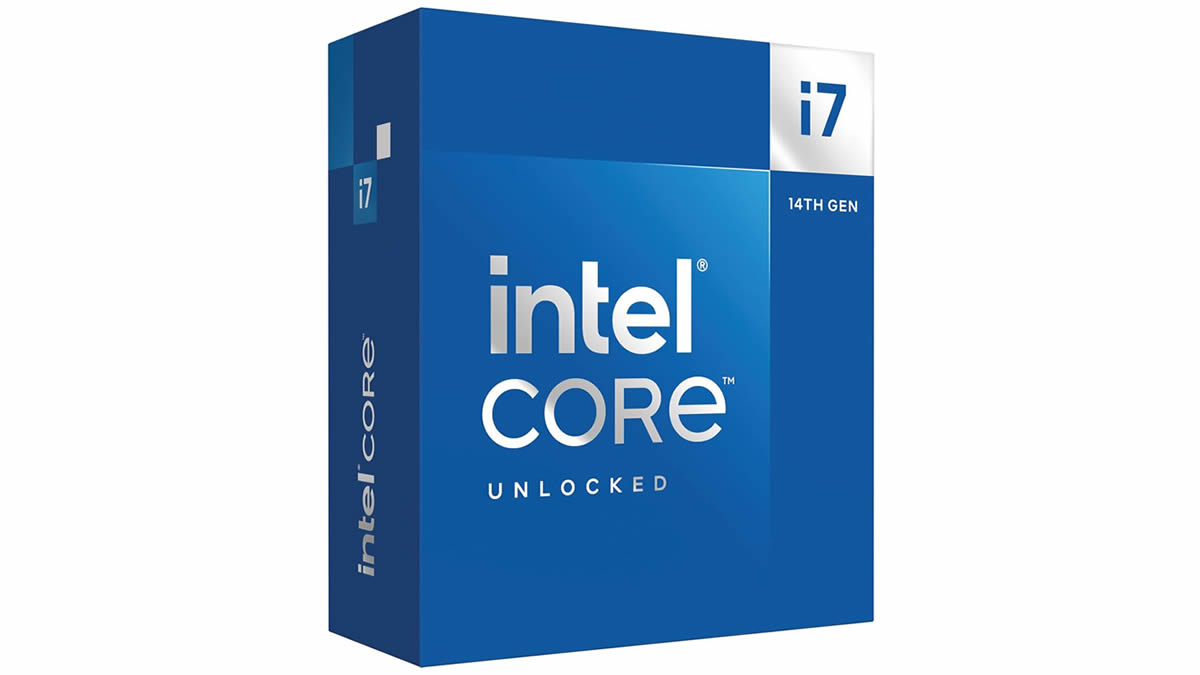
The LGA1700 deals cover 14th Gen Core processors, known here as Raptor Lake. Their support for both DDR4 and DDR5 gives builders more ways to manage the cost of a system. Someone with compatible DDR4 memory may be able to reuse it, while a new build can use DDR5. That choice can make these older-generation chips appealing even when the latest platform is available, especially for an upgrade where replacing working memory would add cost without being the main goal.
- Intel Core i3 14100F — 4 cores (4 P-cores), £75.99, 22% off.
- Intel Core i5 14400F — 10 cores (6P+4E), £125.99, 22% off.
- Intel Core i5 14600KF — 14 cores (6P+8E), £192.99, 10% off.
- Intel Core i7 14700KF — 20 cores (8P+12E), £274.49, 15% off.
- Intel Core i7 14700K — 20 cores (8P+12E), £297.97, 12% off.
The largest percentage cuts are on the Core i3 14100F and Core i5 14400F, both reduced by 22%. A larger percentage reduction doesn’t automatically make either the best value; the right choice depends on the demands of the build and whether its other parts are already in place. At the other end, the Core i7 14700K and 14700KF provide 20 cores for buyers looking for more capacity for demanding workloads. The 14700K is listed at £297.97, while the 14700KF is £274.49; the source doesn’t detail the differences between those models, so buyers should check the product listings against their system needs before choosing.
The lower entry prices are most compelling when they fit a real use case, such as replacing a processor while keeping compatible memory and a suitable motherboard. A new build has a different calculation: the cost of those supporting parts still matters. The numbers here are underwhelming if read as a simple ranking of which processor is “best”; they’re more useful as a shortlist for comparing platform fit and workload.
Access and build considerations
Some of the listed offers require an Amazon Prime membership, while others may be available without one. The source says non-members may be able to use a 30-day Prime trial to access member deals. It also lists Prime benefits such as delivery perks, Prime Video and free PC games through Prime Gaming. Check the deal terms at checkout, since membership access and the displayed price can affect what you actually pay.
Before buying, match the processor to the motherboard socket and memory already in the build. The Core Ultra 200 options use LGA1851 and DDR5; the 14th Gen Core options use LGA1700 and support DDR4 or DDR5. A processor price alone doesn’t show the full cost of changing platforms, so a deal can look different once motherboard and memory requirements are included. And this is the part most people overlook: compatibility is a budget question as much as a technical one.
What the discounts mean for an upgrade
These offers split into two different buying propositions. Core Ultra 200 puts the buyer on a newer, DDR5-only platform, while 14th Gen Core leaves more room to reuse memory and may offer a lower starting price. Neither route wins on the listed CPU price alone. The value depends on what you already own, what work the PC needs to handle, and how much of the system must change to install the processor.
If you're working out an upgrade, begin with the motherboard and memory you can keep, then compare the total cost of each compatible option. That won’t answer every performance question, but it prevents a discount percentage from standing in for a system-level calculation. Prices and discounts in the source are tied to Prime Big Deal Days and may change.
For builders weighing an upgrade, the central choice is clear: pay into the newer DDR5-only platform, or look to 14th Gen for lower entry prices and more memory flexibility. There’s no universal winner in the listings. Fit first; discount second. Readers can continue the discussion on the OC3D Forums.