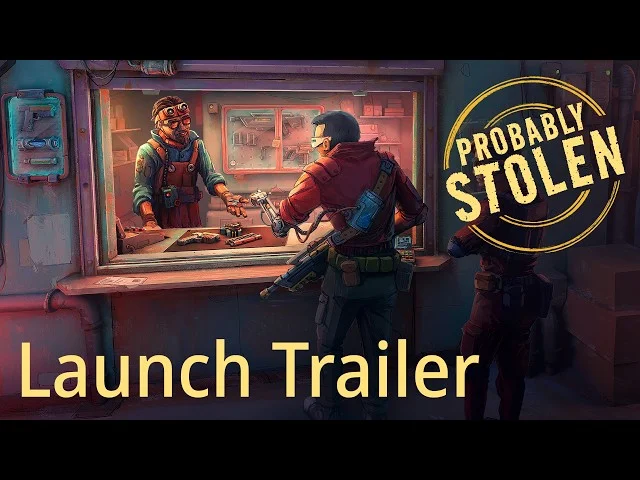
Probably Stolen Reaches 350,000 Steam Sales After a Major Redesign
The cyberpunk shopkeeping sim passed 350,000 sales in 24 hours, pairing risky storefront decisions with a visual and gameplay overhaul.
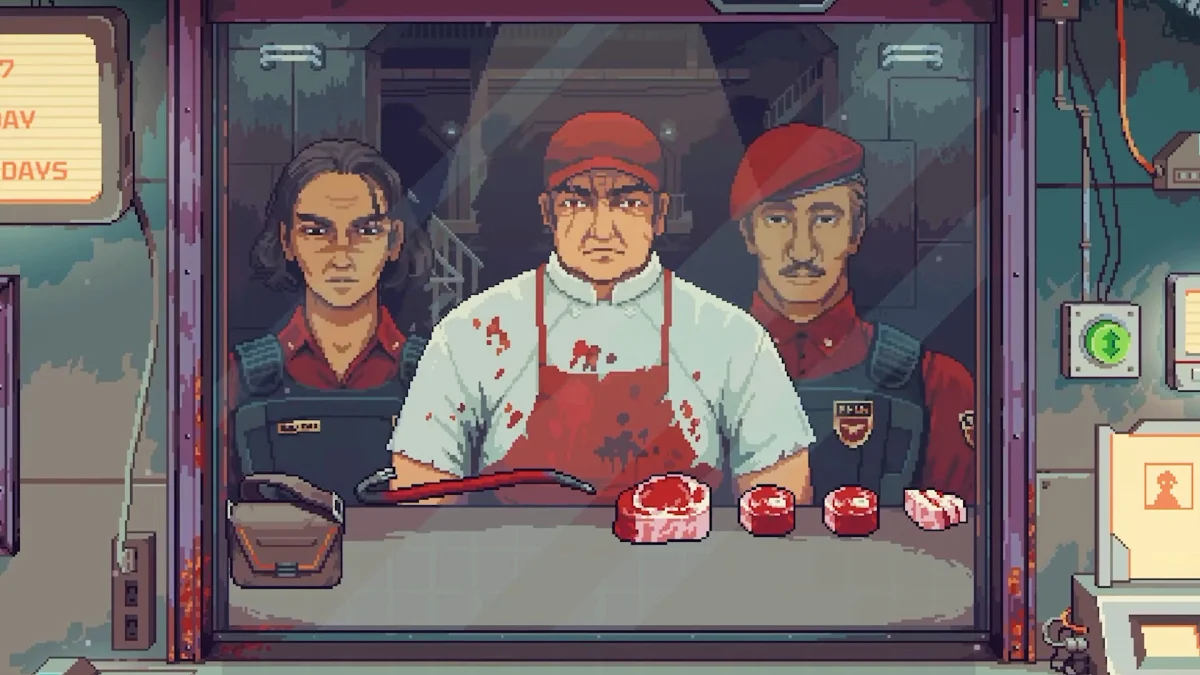
Probably Stolen has turned a substantial redesign into a striking Steam debut. The cyberpunk shopkeeping sim sold more than 350,000 copies in its first 24 hours, reached a peak of more than 125,000 concurrent players, and earned a 97% user rating. Those numbers put it among Steam’s most-played games at launch, and point to a clear connection between its new presentation and the audience it found.

The game arrived on Steam on October 28, 2026, and finished its first day as the platform’s twelfth most-played title, Questing Goose Studio said. The developer described that ranking as far beyond what it had expected. For a small team, a launch at this scale can bring a new challenge: the game has to hold the attention of a large audience after its initial discovery. Its mix of shop management, inspection and consequential decisions gives players several systems to engage with beyond the storefront’s cyberpunk look.
A shop built around risk
Players run a small business selling goods with “flexible origins,” starting with a loan that gives them a foothold and a rent bill that keeps the pressure on. The longer-term goal is to earn enough to buy the shop before collectors come calling. That structure makes ordinary business choices feel consequential: players must decide how to spend limited funds, which work to accept, and how much risk they can afford.
Specialties include gunsmithing, chemistry, farming, fencing and water dealing. Players can also begin “from absolute rock bottom.” Some lines of work require permits and equipment, while less legitimate jobs promise larger returns and the possibility of serious losses. Relationships with factions can open up better deals, and shopkeepers can try to profit by selling counterfeits to wealthy customers or cutting corners on quality.
Those options make the shop more than a backdrop for buying and selling. Each specialty changes the kind of goods the player handles, while choices about suppliers and quality shape how the business operates. The game’s central tension is easy to grasp: steady, expensive preparation competes with tempting shortcuts. Whether players choose to play cautiously or chase higher margins, the shop’s finances and reputation depend on their judgment.
Inspection is part of the job
Incoming stock needs close attention. Players inspect items, test water and chemicals, and judge whether a supplier’s offer matches the product’s quality. Haggling applies on both sides of the counter, with customers and suppliers each trying to get a better deal. These tasks give the store’s daily routine a hands-on angle, asking players to assess what they’re buying rather than treating every transaction as a simple menu choice.
There’s also a more unsettling challenge in the setting: Augs hide among ordinary people, appearing human while controlled by a sentient AI. The game gives players the option to use lethal force against them, but getting a person’s identity wrong can bring serious consequences. That adds a difficult judgment call to the shopkeeping loop, where spotting a threat matters but acting on a mistaken suspicion carries its own cost.
Together, these systems give the premise room to support different styles of play. A player focused on careful sourcing and reliable customers faces different decisions from one chasing risky jobs and quick profit. The article’s reported sales and player counts don’t show how people will approach those choices over time, but the variety of specialties and trade-offs gives the launch audience several ways to settle into the role.
From Deepspace Emporium to a Steam hit
The game’s earlier form, Deepspace Emporium, had a much smaller reach. Its demo peaked at 28 players. TinyBuild noticed the project and worked with Questing Goose Studio to rethink its visuals, marketing and core gameplay focus. TinyBuild CEO Alex Nichiporchik said the publisher liked the concept and gameplay enough to collaborate with the developer on that reimagining.
That shift matters because the game’s launch success wasn’t simply a matter of putting an existing demo on sale. The team changed how the project looked and how its main mechanics were presented, then brought it to a far wider audience. The difference between a demo peak of 28 players and more than 125,000 concurrent players is dramatic, though the available figures alone can’t identify which part of the redesign mattered most. The result suggests that a strong premise needs a clear presentation before players can recognize what makes it worth their time.
Probably Stolen is available now on Steam for $17.99 / £15.29. A 10% launch discount runs through Wednesday, November 11. A bundle also offers it alongside ReStory, another TinyBuild-published game from earlier in 2026. After a debut this large, the next thing to watch is how the game’s shop systems and branching business choices keep players engaged beyond the launch rush.
Find Probably Stolen on Steam, or read more about Probably Stolen and indie games on PC.